
News
NASS Backs Pipeline Security Deal, Rejects Petitions

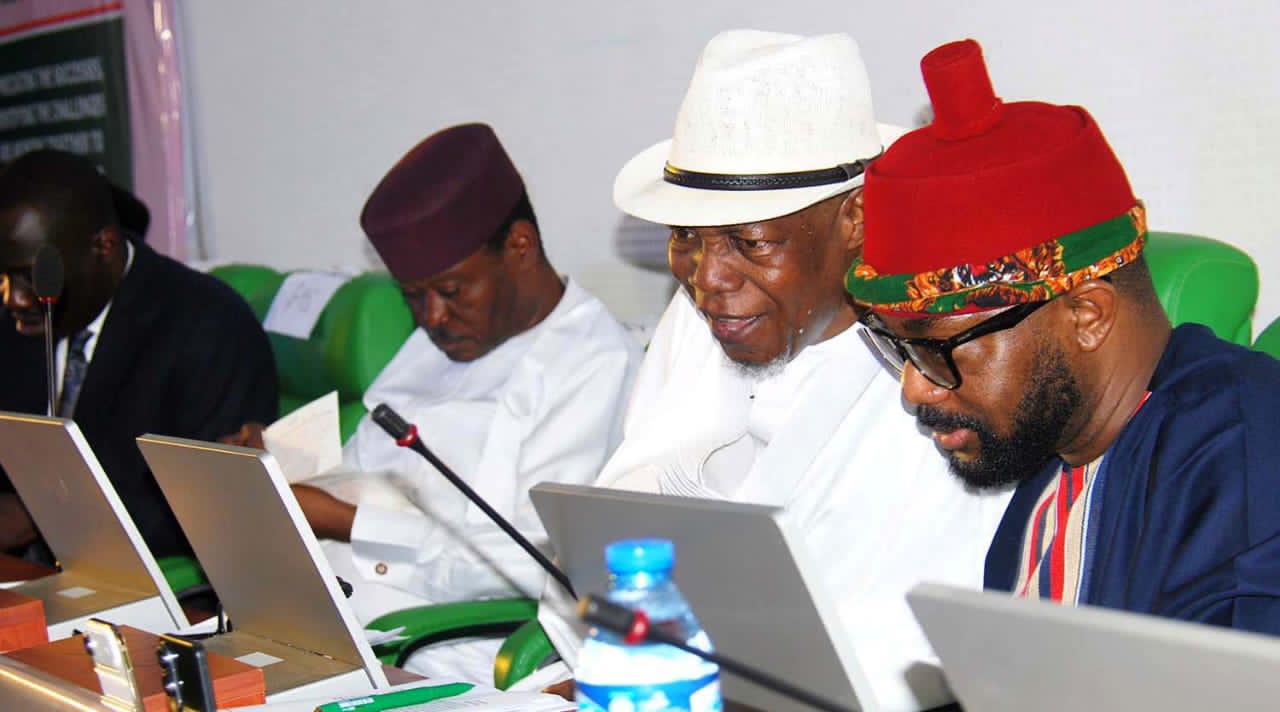


…as lawmakers credit surveillance efforts of Tantita for surge in oil output
By Gloria Ikibah
The National Assembly Joint Petroleum Committees have brushed aside three petitions challenging the pipeline surveillance contract, while throwing their full support behind Tantita Security Services, security agencies and the Nigerian National Petroleum Company Limited (NNPCL).
The decision followed a one-day parliamentary roundtable examining pipeline security and the fight against crude oil theft, where lawmakers pointed to significant gains in safeguarding oil infrastructure.
Official figures presented at the session indicate a sharp rise in oil production, now standing at roughly 1.8 million barrels per day as of April. This marks a major recovery from 2022 levels, when output had dropped significantly at the height of widespread pipeline vandalism and theft.
The resolution came after a motion by Chairman House Committee on Petroleum Resources (Midstream), Rep. Henry Okojie, who highlighted the role of surveillance contractors and security operatives in stabilising production and boosting national revenue.
Lawmakers credited improved monitoring and enforcement measures for curbing illegal activities in the oil sector, noting that the collaboration between private contractors and state security forces has yielded measurable results.
In his addess, Speaker of the House of Representatives,Rt. Hon. Abbas Tajudeen, drew attention to global energy pressures, pointing to instability in the Middle East and the prolonged Russia-Ukraine conflict as factors driving uncertainty in supply and pricing.
The Speaker who was represented by the House Leader, Rep. Julius Ihombvere, stressed that despite the growing push for alternative energy, crude oil remains the dominant global energy source, particularly in transport, where it continues to power the vast majority of vehicles, aircraft and ships.
He also warned that disruptions such as the closure of the Strait of Hormuz have triggered price spikes and supply concerns, with ripple effects on Nigeria’s economic stability.
The Speaker underscored the importance of sustained efforts to secure the country’s oil assets, noting that Nigeria’s history as an oil-producing nation has long been shaped by challenges ranging from theft to infrastructure vulnerability.
The roundtable, he noted, reflects a renewed determination by lawmakers to take the lead in addressing these longstanding issues and ensuring the sector’s resilience.
He said: “The discovery of petroleum has both earned us massive foreign exchange and resulted in environmental degradation and despair. As a result, the Niger Delta has witnessed profound agitations over the years which often resulted in pipeline vandalism, crude oil theft, and illegal refining activities.
“Desperate communities and weak enforcement structures created a climate of instability in the oil sector with staggering consequences.
“At some point, Nigeria was losing billions of dollars annually as between 10 to 30 percent of crude oil production was lost to theft, undermining national revenue and questioning our capacity to remain a reliable oil producer.
“It was within this context that the Federal Government introduced the pipeline surveillance contract, including the engagement of private security actors and community-based structures.
“These interventions were designed to provide security to our oil facilities, with the understanding that without the help of the communities where these pipelines and other infrastructure were located, the job of securing them would be impossible.
“In the end, the synergy of private surveillance providers, our security agencies, and community engagement, led to remarkable improvements in our daily production quotas.”
The Speaker further stated that there has been clear undeniable and compelling success stories.
“recent reports indicate that most of the illegal tapping points have been dismantled, production levels have improved significantly and oil receipts are approaching near-total delivery to export terminals, compared to the alarming losses of previous years when production sometimes plummeted to about 700 barrels per day.
“Today, largely due to these surveillance/security efforts, we have been able to ramp up production to about 1.8 million barrel per day. Importantly, the surveillance contract has been able to create direct employment for thousands of Niger Delta youths who were formerly agitators, providing a legitimate alternative to crime, and placing security back in the hands of the people who host the facilities.
“There is no doubt that we can do better. There are still a number of challenges, particularly as they concern accountability, transparency, and the effectiveness of certain surveillance frameworks.
“Recent public discourse suggests that crude oil theft still occurs at concerning levels, sometimes even under existing security arrangements. This underscores the need for continuous oversight and reform”, he added.
According to him, the National Assembly has remained at the forefront of confronting the challenges in the oil sector and has through legislation, oversight, and appropriation taken deliberate steps to strengthen Nigeria’s response to threats to our oil industry.
“We have enacted and reviewed laws such as the Petroleum Production and Distribution (Anti-Sabotage) Act and other relevant statutes aimed at deterring-pipeline vandalism while emplacing stringent penalties.
“We have also worked to strengthen institutions like the National Oil Spill Detection and Response Agency (NOSDRA), recognizing the need for improved monitoring and environmental accountability.
“Both are the fruits of comprehensive and deliberate policy actions that were enabled by the passing of the landmark Petroleum Industry Act (PIA). Some of the provisions of this act, like the Host Community Development Trust, made Corporate Social Responsibility a legal mandate and gave host communities a direct financial stake in the profitability of the oil sector.
“Moreover, by legislating that communities forfeit their entitlement for the year if vandalism occurs in their domain, the law operationalized the concept of “shared responsibility.” Communities now police their own areas, knowing that an attack on a pipeline becomes an attack on their trust fund.
“The 10th National Assembly has continued to take bold legislative steps to institutionalize the gains of the PIA. From maintaining a rigorous oversight of the Act to ensure steady implementation, to our recent investigative hearings on oil theft, we are closing the legal loopholes that once allowed criminals to thrive.
‘Furthermore, this Assembly has exercised its constitutional mandate by probing aspects of the surveillance contract, approving critical funding for pipeline security, and insisting that crude oil theft be treated not just as an economic crime, but as a national security threat requiring coordinated action across agencies.
“In summary, we have consistently emphasized that curbing crude oil theft must be a collective responsibility, involving government, host communities, security agencies, and private operators alike”, Abbas stated.
The Speaker said the event was an opportunity to advance the fortunes of the oil industry by consolidating on the gains made so far from the surveillance contract, while addressing existing gaps, while also
reassessing the current pipeline surveillance architecture, strengthen transparency and accountability mechanisms, deepen community engagement as critical stakeholders in protecting national assets, and align legislative frameworks with emerging realities in the oil and gas sector, particularly under the circumstances the world has now found itself.
“Let us remember that the story of Nigeria’s oil industry is not only one of challenges, but also of resilience and possibility. Let us build a system where pipelines are no longer targets, but symbols of shared prosperity; where host communities are not marginalized, but empowered partners; and where Nigeria’s oil wealth translates into sustainable national development.
“The Middle East is in turmoil, Russia is distracted, and global energy maps are being redrawn. The world is looking for energy security, and Nigeria must put itself out there as a credible alternative. We cannot afford the luxury of internal sabotage. Our message to the world is clear: Nigeria is securing its assets, stabilizing its output, and is open for business,”, he said.


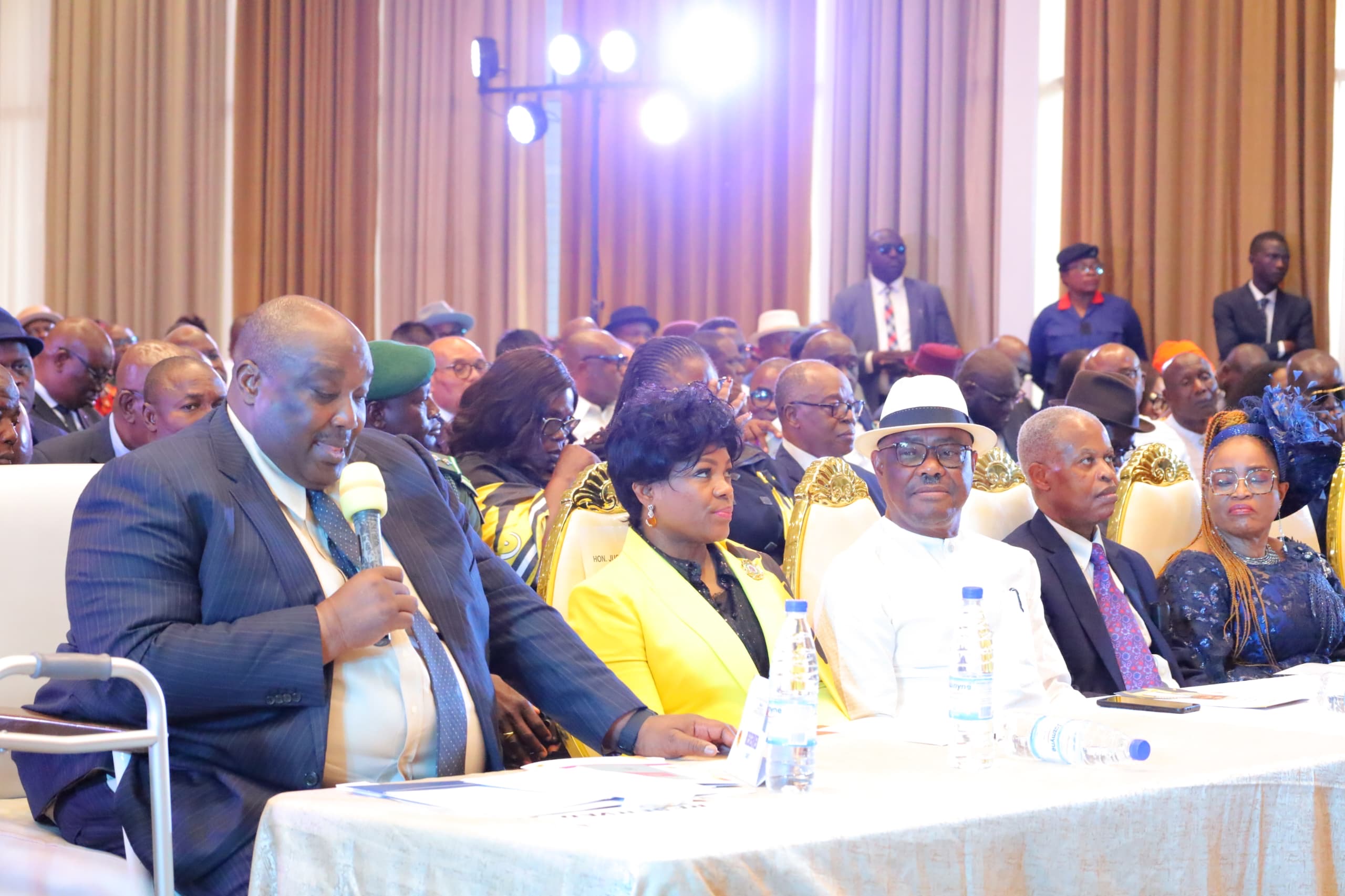
Minister of the Federal Capital Territory (FCT), Barr. Nyesom Wike, on Tuesday, stressed the need for discipline, precision and sound legal reasoning in appellate advocacy, describing appellate practice as a critical pillar for strengthening Nigeria’s justice system.
Wike stated this at the public presentation of the book, “Ukala’s Manual on Appellate Practice,” authored by Senior Advocate of Nigeria (SAN), Emmanuel C. Ukala, held at the Bola Ahmed Tinubu International Conference Centre, Abuja.
The former Rivers State governor described the publication as a timely and significant contribution to the legal profession, particularly for young lawyers seeking to develop competence in appellate litigation.
According to him, advocacy at the appellate level differs fundamentally from trial proceedings and requires a higher level of intellectual discipline and mastery of legal procedures.
“We are all aware that advocacy at the appellate level is of a fundamentally different character from proceedings at trial. It calls for a higher degree of discipline, clarity of thought, precision in expression, and a deep, assured command of both substantive law and procedural rules,” Wike said.
He noted that the manual would serve as a practical guide for lawyers and judges by bridging the gap between legal theory and courtroom practice.
“It serves as a vital bridge between legal theory and courtroom practice, offering guidance that is especially beneficial to younger members of the Bar as they develop the confidence and competence required to navigate the demands of appellate litigation,” he added.
Wike, who recalled his background in legal practice, said he personally appreciated the value of appellate adjudication, having prosecuted and defended several cases before appellate courts over the years.
“I myself am a direct beneficiary of the work done at the appellate level, having had the privilege, as a party in numerous disputes, to prosecute and defend many cases before appellate courts,” he stated.
The minister also revealed that he once worked briefly in Ukala’s law firm, noting that the experience shaped his professional values and appreciation for excellence in legal advocacy.
“I cut my teeth in the firm of Mr. Ukala, SAN, albeit for a relatively short time. The exposure and values I imbibed during that period discipline, attention to detail, respect for the craft of advocacy, and an unwavering commitment to excellence have continued to shape my professional outlook to this day,” he said.
Wike described the publication as a “legacy work” that would remain relevant to legal practitioners and judicial officers for years to come.
According to him, the book does not merely seek to impress readers academically but provides practical guidance on critical aspects of appellate litigation, including notices of appeal, compilation of records, interlocutory applications, briefs of argument, and oral advocacy.
“What I particularly appreciate about this manual is its practicality. It does not attempt to impress; it seeks to guide. It brings clarity to areas that many practitioners struggle with but rarely admit,” he said.
The FCT minister urged young lawyers to make effective use of the book in refining their professional skills and pursuit of excellence.
“To my colleagues, especially the younger lawyers, do not just celebrate this book, use it. Let it challenge you. Let it refine you. Let it remind you that excellence in this profession is a deliberate pursuit,” he added.
The event was attended by high-ranking judicial officers, including the President, National Industrial Court, Hon. Justice Benedict Bakwaph Kanyip, other heads of court, former Attorney General of the Federation and Minister of Justice, Chief Kanu Agabi, Justices of the Supreme Court, Justices of the Court of Appeal, Senior Advocates of Nigeria, members of the Body of Benchers, legal practitioners and other dignitaries from across the country, while Joseph B. Daudu (SAN) and Ferdinand O. Orbih (SAN), reviewed the book.
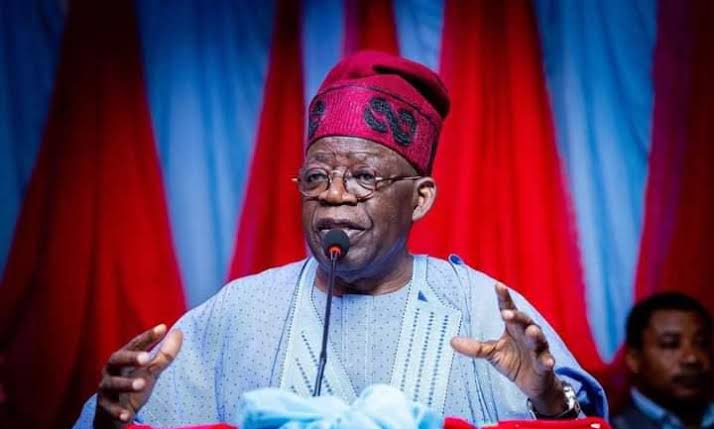
President Bola Tinubu has declared his intention to seek re-election in 2027, saying critics exploiting the country’s security challenges were doing the bidding of his political opponents.
Tinubu made the remarks while receiving Plateau State Governor Caleb Mutfwang and other stakeholders from the state, telling them that hostile forces were weaponising insecurity to undermine his administration.
“You are playing to the hand of agents, including my own enemies, who want to use insecurity to get rid of me,” he said, adding that he would not be deterred.
“I’m a very stubborn politician. I just refuse to go. And I will campaign for my second term.”
The declaration comes amid sustained pressure on the Federal Government over attacks by armed groups, kidnappings, and killings across several states, with opposition figures and civil society organisations demanding stronger federal action.
NDLEA raids 3 illicit drug warehouses, recovers N16.9bn worth of opioids
Tinubu has consistently defended his administration’s security record, maintaining that agencies are being adequately supported to restore stability.
The President took office in May 2023 and is constitutionally eligible to seek a second four-year term when Nigerians go to the polls in 2027.
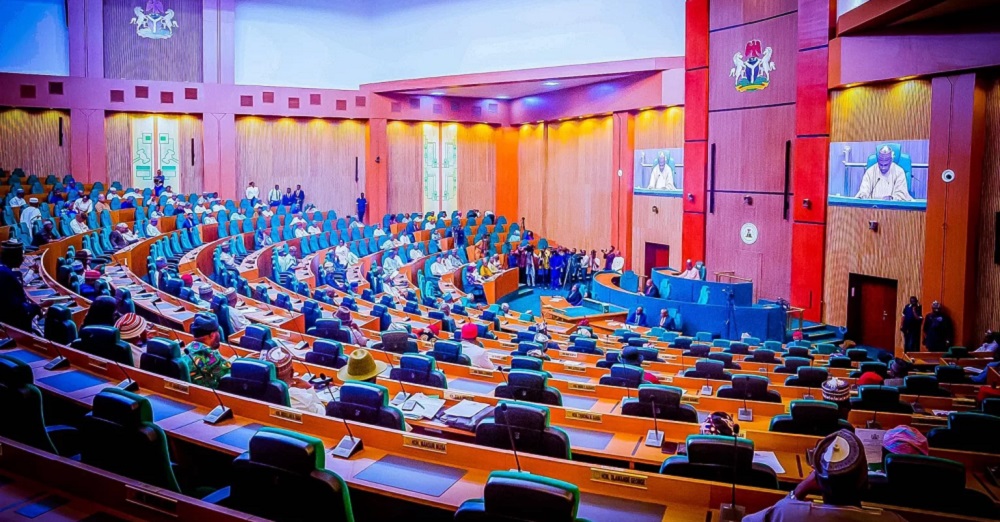
…proposal aim to strengthen coordination and innovation across the Armed Forces
By Gloria Ikibah
The House of Representatives has passed for second reading a proposal to set up a Joint Doctrine and Warfare Centre, envisioned as a high-level strategic hub to improve coordination, efficiency and overall performance within Nigeria’s Armed Forces.
The bill, sponsored by the Speaker, Tajudeen Abbas, is titled “A Bill for an Act to Establish the Joint Doctrine and Warfare Centre to Enhance the Coordination and Effectiveness of Military Operations of the Armed Forces of Nigeria by Integrating the Capabilities of Its Respective Services; and for Related Matters (HB 2741).”
It progressed to the next stage following debate by lawmakers on Wednesday during plenary.
The planned centre is intended to serve as a focal point for defence research, development of military doctrine, strategic planning and innovation in warfare, with particular attention on fostering closer collaboration among military and paramilitary bodies.
Commencing debate on the general principles of the legislation on behalf of the Speaker, Rep. Daniel Asama said, “the initiative is designed to bridge critical gaps in Nigeria’s defence framework, particularly the lack of a dedicated institution for developing and coordinating joint military doctrines.”
“The centre would establish a structured system for the formulation, validation and dissemination of joint doctrines, while also promoting interdisciplinary research on multi-domain operations”.
Asama further observed that Nigeria’s increasingly complex security landscape demands a more integrated and strategic military response.
“Nigeria faces complex security challenges, including terrorism, insurgency and cyber warfare, which require coordinated doctrinal responses among the Armed Forces.
“The absence of a dedicated institution for joint doctrine development has created operational gaps and limited interoperability among the services”, he said.
According to him, the proposed centre will serve as both a think-tank and a centre of excellence for doctrine formulation and warfare strategy.
“This bill provides the legal and institutional framework for the Joint Doctrine and Warfare Centre as a think-tank and centre of excellence for doctrine development and warfare strategy.
“It addresses the need for integrated doctrine development, unified command thinking and joint operational planning”, he added.
He described the bill as timely, the lawmaker said it would strengthen Nigeria’s capacity to respond to evolving threats while enhancing cooperation among the Army, Navy and Air Force.
He explained that the proposed centre would provide a standing platform for defence research, simulation exercises and policy coordination, with the aim of strengthening the long-term sustainability of the country’s security efforts.
The institution is expected to draw together major players in the security architecture, including the Ministers of Defence, service chiefs and specialists from the private sector.
Its responsibilities would cover aligning warfare strategies, monitoring emerging threats, reviewing operational requirements and offering strategic guidance for defence activities.
The centre would also work closely with defence institutions, universities, international allies and research organisations to advance joint doctrine development, simulation tools and contemporary warfare practices.
Among its core aims are improving Nigeria’s capacity to respond to hybrid and asymmetric threats, enhancing cooperation among the armed services, promoting defence research and expanding both regional and global security partnerships.
Asama expressed optimism that the proposal would markedly strengthen the nation’s military preparedness and strategic depth.
“The Joint Doctrine and Warfare Centre will serve as the intellectual and operational hub for defence coordination, doctrine formulation and integrated warfare planning,” he said.
Following its passage for second reading, the bill was referred to the House Committee on Defence for further legislative consideration.
When passed into law, the piece of legislation is expected to provide a solid institutional framework for advancing joint military operations and improving Nigeria’s response to current and emerging security challenges.

Photos: Appellate Court Advocacy Demands Precision, Discipline — Wike

2027: My opponents are arming terrorists against me — Tinubu

Lawmakers Move To Establish Military Strategy Hub




-

 Metro21 hours ago
Gunmen invade Ekiti church, k!ll pastor, abduct members during revival
-

 Metro20 hours ago
Delta police arrest officer who shot handcuffed suspect to death in Effurun
-

 Sports20 hours ago
PSG Beat Bayern Munich In Historic 9-Goal UCL Semifinal Thriller
-
 News20 hours ago
Ex-Zamfara Senator Marafa Joins NDC, Citing Court Cases Within ADC
-
 News12 hours ago
Court bars INEC from recognising ADC congresses conducted by Mark-led C’ttee
-

 Foreign21 hours ago
Trump Calls US Elections “Rigged,” Warns There Could Be No More America
-

 News12 hours ago
Unbelievable: Police say officer who publicly executed handcuffed Delta man was under “spiritual attack”
-
 News8 hours ago
Reps back digital overhaul of election petition procedures