
Foreign
‘Send Them To Hell’ – Iranian Clerics Call For Ass@ss!nation Of Trump, Netanyahu

- /home/naijuinz/public_html/wp-content/plugins/mvp-social-buttons/mvp-social-buttons.php on line 27
https://naijablitznews.com/wp-content/uploads/2026/07/hjjhg-1.jpg&description=‘Send Them To Hell’ – Iranian Clerics Call For Ass@ss!nation Of Trump, Netanyahu', 'pinterestShare', 'width=750,height=350'); return false;" title="Pin This Post">
- Share
- Tweet /home/naijuinz/public_html/wp-content/plugins/mvp-social-buttons/mvp-social-buttons.php on line 72
https://naijablitznews.com/wp-content/uploads/2026/07/hjjhg-1.jpg&description=‘Send Them To Hell’ – Iranian Clerics Call For Ass@ss!nation Of Trump, Netanyahu', 'pinterestShare', 'width=750,height=350'); return false;" title="Pin This Post">


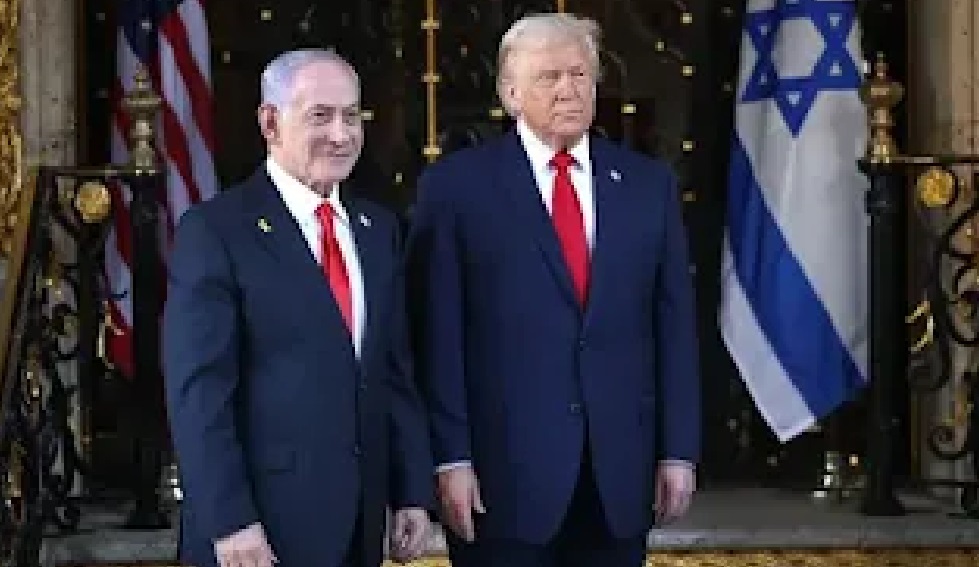
Iran’s most senior clerics have called for the ass@ss!nations of President Donald Trump and Israeli Prime Minister Benjamin Netanyahu.
The 88-member Assembly of Experts issued a 10-point statement in which they said k!lling “the wicked prime minister of the Zionist regime” and “the criminal American president” was a religious duty that must be carried out “under any circumstances.”
The clerics, who are constitutionally tasked with choosing and supervising the supreme leader, wrote that the call for their ass@ss!nations and avenging the death of supreme leader Ali Khamenei was of “paramount” importance.
“It is obligatory upon any duty-bound person who gains access to these criminals to send them to hell,” they wrote.
In another development, Iranian newspaper Hamshahri ran a front-page story featuring Trump’s face in the crosshairs of a rifle scope with a banner headline reading “Revenge is certain.”
The clerics also warned that the ongoing cease-fire negotiations to end the war that has raged since Feb. 28, was merely a delay tactic to give the US more time to plan another round of attacks.
“The likelihood of a renewed attack after will be very high the matters raised in the memorandum of understanding must be resolved within the stipulated 30-day and 60-day deadlines,” they wrote, referring to the terms in the 14-point memorandum of understanding signed by the US and Iran aimed at ending the war.
They further urged supporters of the Iranian regime to take to the streets “in the leader’s name,” adding that “the people’s presence is necessary and decisive.”

The body of 39-year-old Anastasia Berezovskaya, a Ukrainian national wanted by authorities in Monaco concerning the recent bombing, has been found dead near Kyiv in Ukraine with gunshot wounds to the head.
The June 29 blast targeted Ukrainian business tycoon Vadym Yermolayev, injuring him, his partner, and a child. An international manhunt was launched after the attack, while Interpol issued a Red Notice.
Ukraine’s Security Service (SBU) confirmed the death of Berezovskaya on Tuesday, days after the country’s law enforcement agencies, led by the National Police, began a pre-trial investigation into her participation.
The probe revealed the suspect arrived in Ukraine on July 1 and spoke with her family and two men. The first is an ex-law enforcement officer; the second works at the Military Directorate of the Internal Affairs Ministry.
The SBU noted that the individuals were possibly involved in the attempted murder in Monaco, as both men had repeatedly made transfers to Berezovskaya’s crypto and bank accounts.
During search actions, an employee of the GUR MOU (Ukraine’s military intelligence service) reported the killing of Berezovskaya, which he claimed to have committed together with another defendant.
The latter, according to the SBU, disclosed that he did not inform his superiors about his contacts with Berezovskaya, the transfer of funds to her, and any other actions he took, and acted on his own accord.
Also, a basement room in the form of a “torture chamber” was discovered amid a raid of the former law enforcement officer’s home. The suspects are being held on suspicion of murder in a premeditated conspiracy.
Ukraine said its relevant agencies are working with the Principality of Monaco and the Prosecutor General’s Office, while continuing to identify all the culprits and other persons involved in the attempted homicide.

US forces launched “powerful” strikes on Tuesday against Iran in response to attacks on three ships in the Strait of Hormuz, the US military said.
“The US strikes are in response to Iranian attacks on three commercial vessels that were transiting the Strait of Hormuz” and will “impose heavy costs for targeting and attacking commercial shipping,” US Central Command said in a post on X.
“Iran’s demonstrated aggression was unwarranted, dangerous, and a clear violation of the ceasefire,” it added.
A ceasefire took effect on April 8, but sporadic violence has continued in the Gulf region, including attacks on ships by Tehran’s forces and US strikes on Iran.
Tuesday’s strikes were the first by US forces on Iran since a series of air raids late last month that Washington also said were in response to attacks on commercial vessels by Tehran’s forces.
AFP
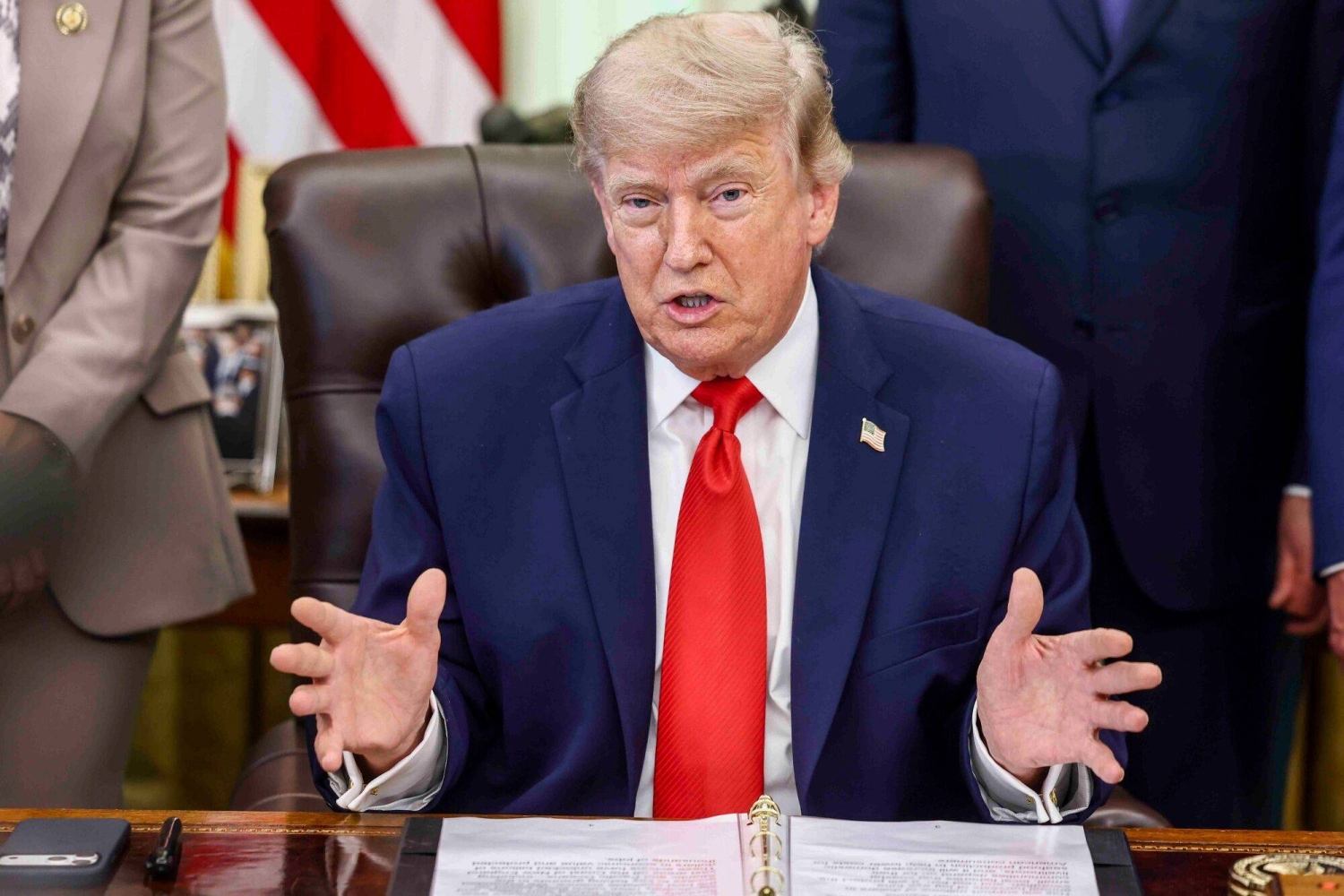
US President Donald Trump has pardoned 11 people, most of whom were convicted of violating the Clean Air Act by tampering with or disabling emissions controls on diesel trucks.
The White House said all but two of those granted clemency had been prosecuted for offences linked to vehicle emissions, marking the latest use of Trump’s presidential pardon powers.
Announcing the move on his Truth Social platform, Trump defended six of the men, arguing they had been unfairly prosecuted during former President Joe Biden’s administration. “They were prosecuted under the Biden administration for fixing their car.”
Most of the pardons involved individuals convicted of modifying or disabling federally required emissions control systems on trucks, conduct prohibited under the Clean Air Act.
The pardons come months after the Trump administration rolled back key environmental regulations. In February, it repealed the scientific finding that greenhouse gas emissions endanger public health and scrapped federal tailpipe emissions standards for cars and trucks.
Among those receiving pardons was Adam Kidan, vice chairman of the Staffing Advisory Group, who was sentenced to prison in 2006 alongside Washington lobbyist Jack Abramoff after being convicted of wire fraud.

Dangote breaks ground on $17bn Kenya refinery

ICPC arrests El-Rufai’s doctor over alleged abuse of court approved medical visit

EFCC transfers over 1,440 recovered assets to education ministry




-

 News10 hours ago
Petrol price crashes to ₦800 per litre as marketers seal deal with Dangote
-

 Foreign2 hours ago
US Launches ‘Powerful’ Strikes On Iran After Hormuz Attacks
-

 News21 hours ago
WoPU Backs President Tinubu’s Reforms, Rebuts Kunle “UnWizeman” Ajayi’s Criticism On Workers’ Group*
-

 Sports2 hours ago
Lionel Messi Breaks 96-Year FIFA World Cup Record
-

 News1 hour ago
FG Suspends New Digital Economy Rules
-

 Foreign2 hours ago
Monaco bombing suspect found dead in Ukraine
-

 Health58 minutes ago
Medical academics give FG 21-day strike ultimatum
-

 News21 hours ago
NSITF Hosts Gambian Delegation On Study Tour On Employees’ Compensation Scheme