

Connect with us

News

China’s Belt and Road Initiative: Transforming Nigeria and Africa’s Infrastructure Landscape

Published

on

ADVERTISEMENT
Zoom Ad
ADVERTISEMENT
Zoom Ad

By Gloria Ikibah

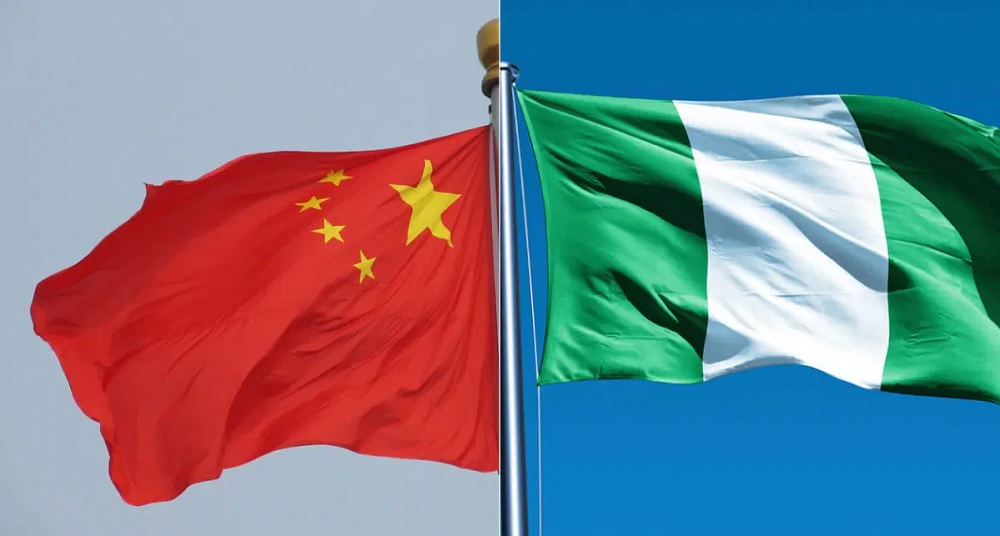
Since Nigeria formally in joined China’s ambitious Belt and Road Initiative (BRI)in September 2018, the global infrastructure and economic cooperation framework has significantly reshaped parts of the nation’s transport networks, trade routes, and public services.

What began as a vision to connect Asia to Europe through vast corridors of rail, road, and maritime routes has expanded its reach across Africa, bringing both opportunities and challenges to countries like Nigeria.

A Strategic Partnership Takes Root
The Belt and Road Initiative, launched by China in 2013, aims to strengthen global connectivity through massive infrastructure projects and deeper economic engagement among participating countries. Over the last decade, China’s engagement with Nigeria and other African nations has grown in scale and complexity. Africa’s infrastructure gaps, from inadequate transport networks to energy deficits have presented opportunities for Beijing to cooperate with local governments on development projects.

Advertisement

Nigeria’s membership in the BRI has unlocked significant investments that align with the country’s development priorities. Chinese financial institutions have been critical partners in funding major projects, particularly in transport and logistics – key sectors for broad economic growth across Africa.

Roads and Railways Linking People and Markets

One of the most visible impacts of the BRI in Nigeria has been the development of rail and road infrastructure financed and constructed with Chinese support. The Kaduna-to-Kano rail line has improved safety, connectivity, and efficiency for passengers travelling through the northern region. In Lagos, China-backed transport initiatives have eased the movement of goods and commuters.

A major new road financed by the China Exim Bank will link the strategic Lekki Deep Sea Port with the Dangote Petroleum Refinery and other southern states, enhancing the flow of goods and underpinning the operations of some of Nigeria’s most important commercial assets.

Advertisement

Ports, Power, and Water: Beyond Transport

BRI investments in Nigeria extend beyond mobility. Facilities like the Lekki Deep Sea Port are poised to become economic game-changers, unlocking hundreds of billions of dollars in value and generating thousands of jobs. Energy infrastructure under the initiative has also expanded, with Chinese-backed funding helping to bring larger power generation projects online.

On the social front, the initiative has contributed to improvements in digital access and educational infrastructure in rural communities.

People’s Views and Economic Benefits

Advertisement

Public sentiment in areas directly affected by major BRI projects has often shifted over time. Communities living near Chinese-built transport infrastructure grew more positive about Chinese involvement after completion of the works, associating the improvements with job creation and increased mobility.

Challenges and Local Perspectives

Despite tangible benefits, the Belt and Road Initiative has its critics. Questions remain about the distribution of economic gains, employment opportunities for local workers, and long-term debt sustainability. Concerns about transparency and community involvement have surfaced in several African states.

What More Can Be Done

Advertisement

Experts suggest practical ways to maximise the benefits of Belt and Road engagement for Nigeria and other African partners:
– Encourage policies that require local content in projects
– Strengthen institutional frameworks for project oversight and transparency
– Target investments that feed into local supply chains and small business development
– Establish formal programmes to train Nigerian professionals in technical and project management roles
– Ensure robust environmental assessments and community engagement

A Balanced Future

China’s Belt and Road Initiative remains a major force in reshaping Nigeria’s infrastructure and economic landscape. The challenge now is to transform these foundations into broad-based, locally anchored benefits that resonate across society.

With thoughtful policies and inclusive partnerships, the promise of the Belt and Road can align with Nigeria’s aspirations for sustainable growth and improved living standards.

Advertisement
Continue Reading
Advertisement

News

Umahi Breaks Silence Over Mary Habila’s Death

Published

on

By

ADVERTISEMENT
Zoom Ad
ADVERTISEMENT
Zoom Ad

The Minister of Works, David Umahi, on Thursday broke his silence on the circumstances surrounding the unfortunate death of Miss Mary Habila, a staff member who died at the minister’s residence in Uburu, Ebonyi State.

The Minister at a press conference in Abuja revealed that Mary Habila spoke with her boyfriend complaining that she was bleeding.

He said, “She spoke to her boyfriend at the hour of her death and complained that she was bleeding from the nose.

“The boyfriend said, ‘No, you have to report it.’ She said it had stopped. The boyfriend then said, ‘Listen, I will not continue this conversation since you are bleeding. It will increase the bleeding.’

Advertisement

“She told the boyfriend, ‘Don’t cut the call.’ The boyfriend cut the call. Three minutes later, the boyfriend called again. She was not responding.”

According to the minister, the deceased had earlier informed her boyfriend that she intended to take a bath before communication ceased.

Continue Reading

News

2027: Court Denies Ordering Deregistration Of NDC

Published

on

By

ADVERTISEMENT
Zoom Ad
ADVERTISEMENT
Zoom Ad

The High Court of Justice in Kogi State has made new clarifications and denied reports claiming that it ordered the deregistration of the Nigeria Democratic Congress, NDC.

A statement by the Court’s Chief Information Officer, Saqeeb Saeed, on Thursday, described the allegation as false and misleading.

The Court stressed that it had not handled any case relating to the registration or deregistration of any political party, including the NDC.

According to the court, the viral social media reports linking it to the alleged deregistration did not originate from the Kogi State High Court.

Advertisement

“The High Court of Justice of Kogi State did not handle any matter relating to the registration or deregistration of any political party in the country, and particularly the party in question, nor any other matter concerning the political party,” the statement said.

It equally expressed worry over the use of the photograph of the Chief Judge of Kogi State, Justice Josiah Joe Majebi, alongside that of former Governor Yahaya Bello in the viral post, saying it appeared to be a deliberate attempt to create the false impression that the alleged decision came from the state’s judiciary.

The Court added that although it would not normally respond to misinformation circulating on social media, the inclusion of the Chief Judge’s photograph made it necessary to issue a clarification to protect the integrity of the judiciary.

It issued a stern warning to content creators and social media users against publishing unverified information capable of misleading the public or undermining confidence in the judicial system.

Advertisement

“The integrity and dignity of judges, as well as the institution of the High Court of Justice of Kogi State and other courts under its supervision, should not be subjected to false and misleading narratives.

“We urge the public to disregard the viral report and reaffirm its commitment to the fair and impartial administration of justice without fear or favour,” the statement partly read.

The clarification came after recent legal developments involving the NDC.

Recall that in June, the Federal High Court in Lokoja set aside its earlier judgment directing the Independent National Electoral Commission, INEC, to register the party, ruling that the original case was procedurally defective because interested parties were not joined in the suit.

Advertisement

After the ruling, the NDC maintained that the court did not order its deregistration, emphasising that it had appealed the judgment and filed an application for a stay of execution.

The party also insisted that it remains a legally recognised political party pending the outcome of the appeal.

Continue Reading

News

Man Bags Life Imprisonment Over Death Of Close Friend At Birthday Party

Published

on

By

ADVERTISEMENT
Zoom Ad
ADVERTISEMENT
Zoom Ad

A Federal Capital Territory, FCT High Court has sentenced one Ekang Philip Bassey to life imprisonment over the death of his friend, Emeka Nnonifu.

Emeka was killed on January 6, 2024, at a hotel in the Kubwa area of the nation’s capital following a heated exchange between him and the convict at a birthday party.

According to a statement issued on Thursday by the Police Public Relations Officer of the FCT Command, Josephine Adeh, the judgement was handed down by Hon. Justice M. S. Idris.

According to DAILY POST, convict was initially charged by the FCT Police Command with the offence of culpable homicide after the conclusion of a thorough investigation into the incident.

Advertisement

According to the police, the offence is punishable with death as captured in Section 220(a) and (b) of the Penal Code Law and punishable under Section 221 of the same Law.

Josephine Adeh said the evidence tendered before the Court revealed that the defendant and the deceased were friends.

“The defendant had organised a birthday celebration which the deceased attended, and a disagreement between both men subsequently escalated into a physical confrontation, culminating in the fatal incident.

“During the trial, the Prosecution led evidence establishing that the defendant assaulted the deceased by slapping and pushing him, causing him to fall and strike his head on a concrete surface. The deceased sustained fatal injuries and was subsequently confirmed dead.

Advertisement

“In its judgment delivered in Suit No. FCT/HC/CR/330/2024, the Court held that although the unlawful act of the defendant caused the death of the deceased, the requisite intention or knowledge necessary to sustain a conviction under Section 221 of the Penal Code was not established beyond reasonable doubt.

“The Court, however, held that the evidence adduced by the Prosecution established that the defendant unlawfully caused the death of the deceased and consequently convicted him of culpable homicide under Section 224 of the Penal Code, sentencing him to life imprisonment”.

Continue Reading

Trending

Copyright © 2024 Naija Blitz News