News
Like CDMA to GSM, ISPs May bow to Starlink

- /home/naijuinz/public_html/wp-content/plugins/mvp-social-buttons/mvp-social-buttons.php on line 27
https://naijablitznews.com/wp-content/uploads/2024/06/Screenshot_20240605-085416.png&description=Like CDMA to GSM, ISPs May bow to Starlink', 'pinterestShare', 'width=750,height=350'); return false;" title="Pin This Post">
- Share
- Tweet /home/naijuinz/public_html/wp-content/plugins/mvp-social-buttons/mvp-social-buttons.php on line 72
https://naijablitznews.com/wp-content/uploads/2024/06/Screenshot_20240605-085416.png&description=Like CDMA to GSM, ISPs May bow to Starlink', 'pinterestShare', 'width=750,height=350'); return false;" title="Pin This Post">


By Sonny Aragba-Akpore
Apart from telecommunications companies (telcos) who provide ubiquitous internet services today,only few conventional internet service providers (ISPs) offer pockets of a semblance of service.
The situation now is akin to the advent of Global System of Mobile Communications (GSM) in 2001 when everyone migrated seamlessly to Digital Mobile Service.
Before GSM ,there were Time Division Multiple Access (TDMA),Code Division Multiple Access (CDMA) among others.But all that has now been confined to the dustbin of history.
No one,not even telecommunications regulators,the Nigerian Communications Commission (NCC) can volunteer reasons for the extinction of these once vibrant operators that provided services despite the threat of comatose Nigerian Telecommunications Limited (NITEL).
Industry players are also strangely silent about the fate of TDMA , CDMA and others.
If we saw the threat of GsM to TDMA and CDMA,are we seeing in clear terms the likely fate that will befall Internet Service Providers (ISPs) following the entry of Elon Musk’s Starlink in the Nigerian telecom environment?
Starlink came with disruptive technologies that are already making a world of difference for consumers and we look on as if nothing is happening.
The company came prepared.
It obtained licences from the NCC and got various permits and approvals to flag off the business of internet services via satellite and equally signed Memorandum of Understanding (MoU) and distribution agreements with Nigerian companies including,Technology Distribution Africa (TD),a big distributor of major technology brands and promoted by a restless technology czar ,Leo Stan Ekeh.
Starlink didn’t stop there ,it has decided to take services to even the unserved and under served communities in Nigeria and parts of Africa for which TD boasts it’s ready for the long haul partnership.
Although,the Internet connectivity provider, Starlink has prohibitive entry level and subscription prices, it’s still going on with what it sees as an agenda for a potential captive market as a result of not very robust services by other ISPs and when it slashed the price of its hardware to N440,000 recently,the company thought it was doing a big Favour to subscribers.
This follows the recently increasing strengthening of the naira against the dollar.
This accounted for 45 per cent reduction from the N800,000 cost of the hardware router earlier.
According to a new price update released by the company, the monthly subscription for the internet service remains unchanged at N38,000.
“N440,000 new hardware price. Unlimited high-speed internet for N38,000 per month,by every standard is high and prohitive “but it is available everywhere in Nigeria,” the internet company said on its website.
As of February 2024, the Starlink router was sold for N378,000. An increment regime implemented in early March saw a price jump to N800,000. This was evidently in response to the rapidly declining value of the naira to as high as N1900 to a dollar.
But by Starlink,s aggressive marketing being deployed ,can indigenous ISPs cope with this complex competition?
So far ,both wireless and cable ISPs are jolted and returning to the drawing board to rejig their strategies for competition with Musk reputed to be one of the richest men in the world.
And with satellite infrastructure dotted around the globe,Starlink is ready to give local ISPs a run for their money?
Will Starlink push local ISPs into extinction and out of relevance like GSM did to CDMA?
Space Exploration Technology Corporation (Space X ) owners of Starlink got six licenses in a roll from the NCC and is expected to deploy nearly $30b over time for the Nigerian operations alone.
The government is excited that with the entry of Starlink,it may achieve 70% broadband connectivity by 2025 as enshrined in the National Broadband Plan (NBP) 2020–2025.
But is the government just desperate to achieve this at the expense of low purchasing powers of subscribers?Time will tell.
Starlink,s six licenses include that for ISP, Gateway Service Provider,international Data Access (IDA),Sales and Installation Major,Gateway Earth Station and Very Small Aperture Terminal (VSAT) thus making it a mega player and a big threat to other players in the industry.
Starlink officially announced its presence in Nigeria in January 2023. The company, which initially quoted its prices in dollars at $600 for the hardware and $43 for the subscription, changed to naira upon its official announcement.
According to Internet Service Providers (ISPs) data released by the Nigerian Communications Commission (NCC), Starlink is now one of the leading ISPs in Nigeria in terms of customer numbers. As of Q3 2023, Starlink Nigeria’s customer base stood at 11,207.
While cable cuts remain a nightmare,Starlink’s boasts of bridging the gap, with its potential impact extending far beyond addressing temporary outages. These include reaching Underserved Areas where Traditional ISPs often struggle to reach remote regions due to the high cost of infrastructure deployment.
Starlink’s satellite-based approach can effectively bridge this gap, offering high-speed internet access to previously underserved communities by unlocking educational and economic opportunities for millions of Nigerians currently excluded from the digital world.
Starlink boosts Business Continuity by avoiding Frequent internet disruptions that can be detrimental to businesses, especially those reliant on online operations.
Starlink claims to be reliable with independent internet access that can provide much-needed resilience, ensuring business continuity even during cable outages.
The recent cable cuts hampered online learning and remote work arrangements. Starlink’s stable internet connection may have facilitated smoother online learning experiences for students and enable seamless remote work for professionals across the country.
But that is where the beauty ends.
TD Africa, the major distributor for Starlink said , it planned to leverage Starlink’s unique selling points such as high speed, low latency, broad coverage and scalability to bridge the digital divide.
In 2023, Starlink’s global customer base rose to 2.3 million with a presence in over 70 countries
According to the agreement, TD Africa’s extensive distribution network and experience coupled with Starlink’s high-speed Internet aimed to deliver innovative solutions and services that offer broadband connectivity, promoting economic development across Africa.
TD Africa, founded some 24 years ago, will distribute Starlink Internet Kits across Nigeria. It has over 27 global companies including Microsoft, IBM, Apple, Cisco, Hewlett Packard, Dell Technologies, Samsung, Huawei, Nokia, Lenovo, Asus, and many more on its distribution network.
TD Africa’s Coordinating Managing Director, Mrs. Chioma Chimere, highlighted the synergy between TD Africa’s experience as a leading distributor of technology and business solutions and Starlink’s commitment to transforming how the world accesses the internet.
She expressed excitement about the growth opportunities this agreement presents across the continent while emphasising TD Africa’s mission to provide accessible, affordable, and usable Internet solutions to individuals and businesses.
TD Africa boasts that” this transformative agreement signals a new era for Internet access in Africa, with Starlink and TD Africa leading the charge in providing innovative and reliable solutions to meet the evolving needs of the digital economy.”
As at March 2024,internet subscribers base stood at 164,368,292 .Of this figure,GSM accounts for 163,895,185.
ISPs accounted for 213,876 while Voice Over Internet Protocol (VoIP) accounted for 238,139 and fixed/ cable connections stood at 21,092.
By March 2024 too,the number of ISPs stood at 255 and these include the followings:
Spectranet Ltd,Astramix Ltd,VDT Comms Ltd,Cobranet Ltd,Ngcom Ltd,MainOne, an Equinix Company,Hyperia Ltd,I-World Networks Ltd.
There are Inq. Digital Nigeria Ltd (formerly Vodacom),Galaxy Backbone Limited,
Dotmac Technologies Ltd,Radical Tech Network Ltd,Cyberspace Network Ltd,
Suburban Broadband Ltd ,IPNX,Tizeti Network Ltd among others.
Currently, Starlink does not offer truly unlimited data plans in Nigeria though there are reports of data prioritization being implemented in some regions during peak usage times. However, data caps are reportedly quite generous, exceeding the average data consumption of most Nigerian internet users.
Nonetheless,Fiber optic internet offers the fastest and most reliable internet connection currently available. Speeds can reach up to 1 Gigabytes per second (Gbps) and are less susceptible to latency issues compared to satellite internet. In all ,fiber optic infrastructure is expensive to deploy and maintain, limiting its availability in remote areas but more reliable.Starlink offers a faster and more consistent option than traditional satellite internet but may not match the raw speed of fiber.
Starlink offers a significant advantage over mobile data technologies like Long Term Evolution (LTE).
While LTE offers average download speeds between 30-100 Mbps, Starlink’s current minimum download speed of 25 Mbps already surpasses baseline LTE speeds. With potential future upgrades, Starlink could significantly outpace even the fastest LTE connections available in Nigeria.
Nigeria is currently one of Africa’s largest consumer markets, and the way people shop has evolved significantly. The internet has influenced a shift in consumer spending behaviour. As more people gain internet access, they explore online options like subscriptions, selling used items, or venturing into rental services. It’s a situation of where convenience and adaptability reign supreme. For example, when Nigerians experienced a cash crunch earlier in the year, they quickly adapted to cashless systems. However, changing landscape has resulted in substantial e-commerce spending in Nigeria, according to the international trade administration, the market generates approximately $13 billion yearly and is expected to hit $75 billion in revenue yearly by 2025.
So far this growth has been fueled by the increasing internet penetration. Now with even more people having internet presence connectivity, businesses have access to a vast pool of potential customers, creating economic growth, and attracting investments to the e-commerce sector.
The surge in internet users in Nigeria also means an abundance of valuable data for businesses to leverage. With a larger customer base and increased online activity, companies have access to a wealth of information about consumer behaviour, preferences, and purchase history. By understanding their customers better, companies can personalize their offers and make sure they’re giving people what they want.
We saw this happen during the pandemic when many stores had to change how they did business and offer new services.”

By Gloria Ikibah
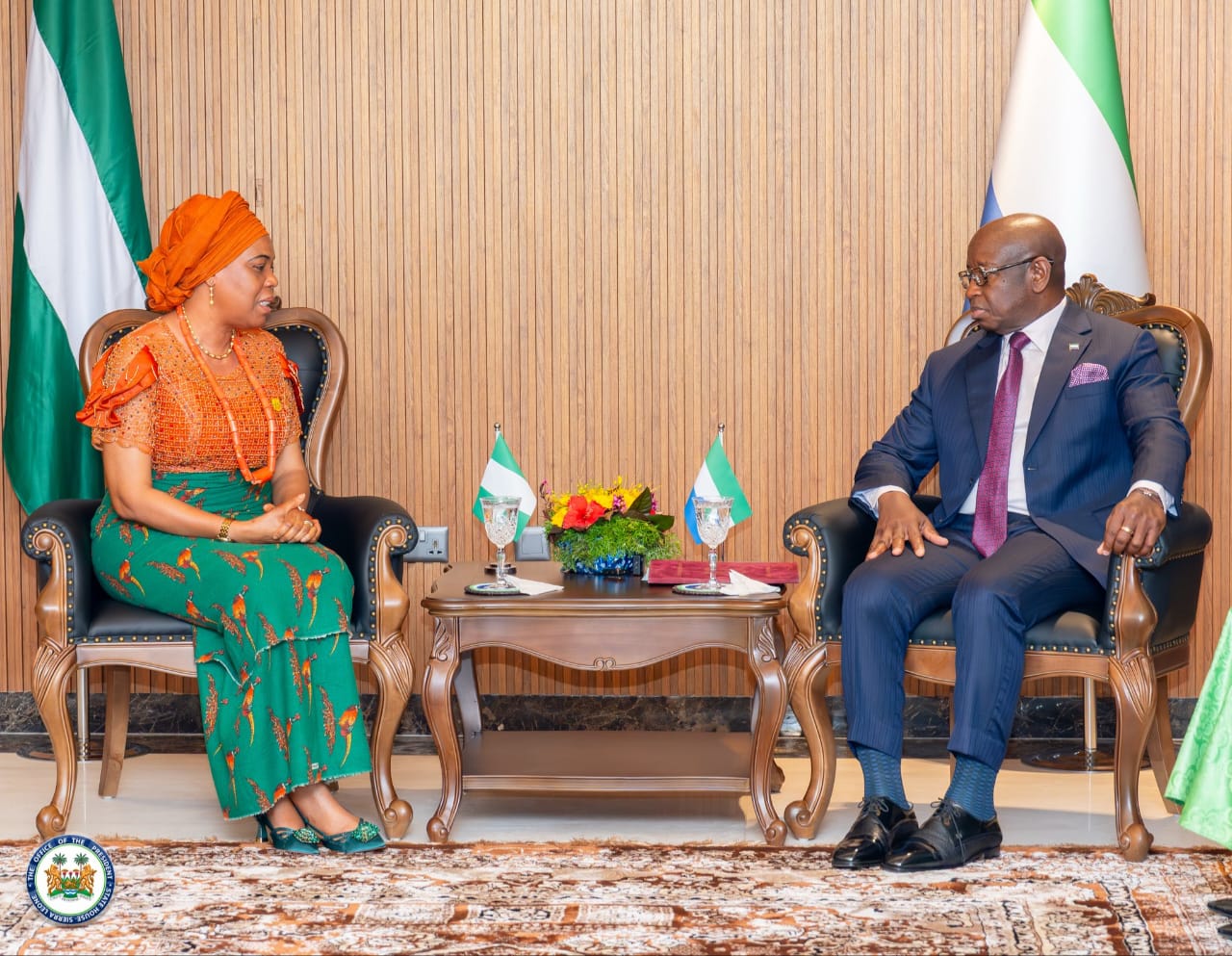
Nigeria and Sierra Leone have reaffirmed their commitment to strengthening bilateral relations and advancing regional integration following the formal presentation of Letters of Credence by Nigeria’s High Commissioner to Sierra Leone, Ambassador Ayo Luther Ogbomode, to President Julius Maada Bio in Freetown.
The presentation took place at the State House, where the Nigerian envoy conveyed the goodwill message of President Bola Ahmed Tinubu and reiterated Nigeria’s resolve to deepen the longstanding friendship and cooperation between both countries.
During the audience with President Bio, Ambassador Ogbomode extended President Tinubu’s warm greetings and best wishes to the Sierra Leonean leader.
She said, “Nigeria remains unwavering in its commitment to further strengthening the longstanding bonds of friendship, cooperation and brotherhood that have historically united our two countries.”
The High Commissioner also congratulated President Bio on assuming the Chairmanship of the ECOWAS Authority of Heads of State and Government, expressing confidence in his ability to steer the regional bloc towards greater unity and progress.
“Nigeria has every confidence in your leadership and believes that under your stewardship, ECOWAS will continue to advance regional integration, democratic governance, economic prosperity, peace and collective security across West Africa”, she stated.
Responding, President Bio thanked President Tinubu and the Nigerian government for their goodwill and continued support, while reaffirming Sierra Leone’s commitment to strengthening ties with Nigeria.
“Sierra Leone remains strongly committed to deepening bilateral relations with Nigeria, particularly in the areas of trade, investment, education, security cooperation, capacity building and regional integration”, he said.
President Bio described the relationship between the two countries as one built on a rich shared history, common values and mutual respect.
“Nigeria and Sierra Leone enjoy an excellent and enduring relationship founded on a shared history, common values and mutual respect”, he added.
Speaking in his capacity as Chairman of the ECOWAS Authority, President Bio pledged to work closely with Nigeria in promoting regional peace, economic development and integration.
According to him, “As Chairman of the ECOWAS Authority, I remain committed to working closely with Nigeria in advancing regional stability, economic development and the collective aspirations of the peoples of West Africa.”
The Sierra Leonean leader also paid tribute to Nigeria for its role during his country’s civil war, acknowledging the sacrifices made in restoring peace and stability.
“The people and Government of Sierra Leone continue to hold Nigeria in the highest regard and remain deeply appreciative of the solidarity, leadership and assistance rendered during a critical period in our national history”, he said.
The meeting underscored the shared commitment of both countries to expanding cooperation, promoting regional peace and reinforcing the longstanding partnership that has defined relations between Nigeria and Sierra Leone over the years.
By Gloria Ikibah
Nigeria and the United States have reaffirmed their commitment to strengthening their long-standing strategic partnership, with both countries pledging closer cooperation in security, trade, investment and regional stability.
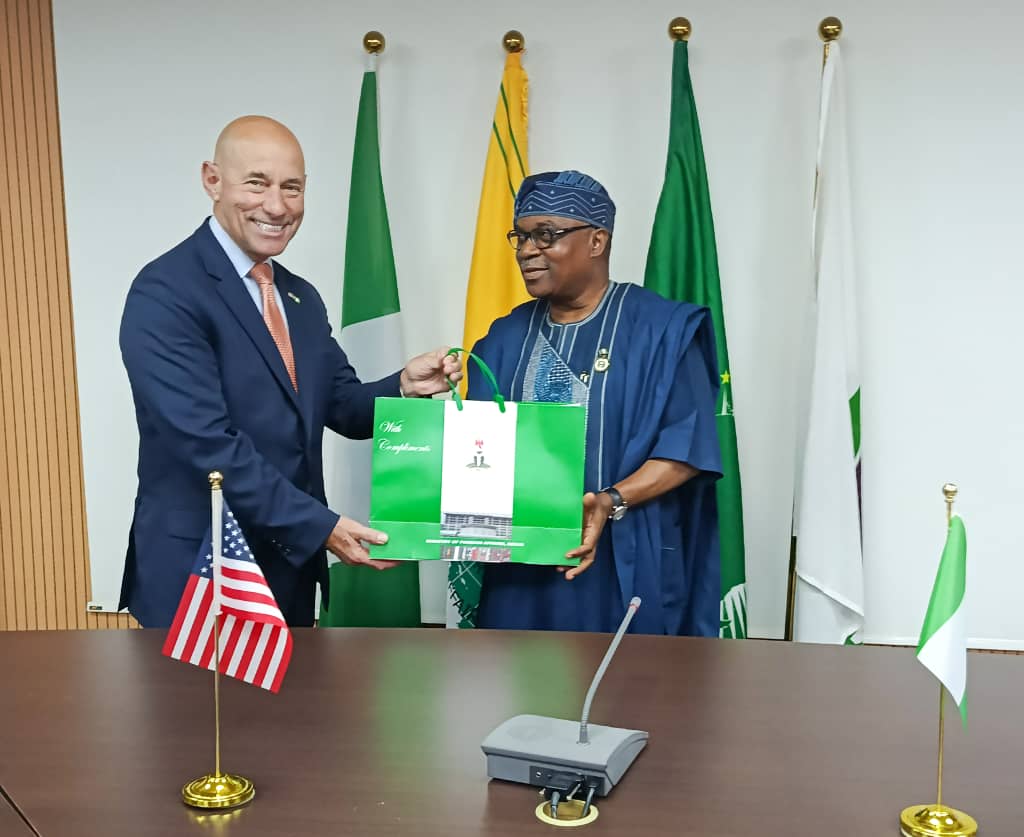
The commitment was made on Monday when the Minister of State for Foreign Affairs, Ambassador Sola Enikanolaiye, received the United States Assistant Secretary of State for African Affairs, Frank Garcia, at the Ministry of Foreign Affairs in Abuja.
Welcoming the American delegation, Ambassador Enikanolaiye described the relationship between both countries as one of great importance to Nigeria, expressing optimism that the visit would further deepen bilateral cooperation across critical sectors.
He said, “Nigeria attaches great importance to its bilateral relations with the United States, and I am confident that this visit will deepen cooperation across key sectors and provide further impetus to the growing partnership between our two countries”.
The minister reaffirmed Nigeria’s commitment to expanding collaboration in trade and investment, maritime security, counter-terrorism, intelligence sharing, and regional peace and security.
He also highlighted the progress achieved through the Nigeria–United States Joint Working Group and disclosed that preparations were underway for the next round of bilateral engagements scheduled to take place in Washington, D.C., in August 2026.
Speaking on Nigeria’s security efforts, Enikanolaiye said the government remained committed to tackling insecurity through stronger law enforcement, effective prosecution of terrorism-related offences, better protection for vulnerable communities, and sustained efforts to secure both the Gulf of Guinea and the Lake Chad Basin.
Addressing concerns over religious freedom, the minister stressed that Nigeria remained committed to protecting all citizens regardless of their faith or ethnic background.
He also reaffirmed Nigeria’s readiness to maintain constructive dialogue with the United States on migration and consular matters.
“While security challenges exist, they should not be misconstrued as a policy of religious persecution or genocide. The Government remains firmly committed to protecting all citizens irrespective of religion or ethnicity and to strengthening the rule of law.”
In his remarks, Assistant Secretary Frank Garcia described Nigeria as one of the United States’ most important strategic partners on the African continent, noting that cooperation between both nations had continued to grow across several sectors.
“Nigeria remains one of America’s most important strategic partners in Africa. We are encouraged by the growing momentum in our cooperation, particularly in trade, investment, health, technology, maritime security and counter-terrorism, in line with the United States’ commitment to expanding commercial partnerships across the continent”, he said.
Garcia also praised Nigeria’s leadership in strengthening maritime security in the Gulf of Guinea and acknowledged its contribution to regional peace through the Multinational Joint Task Force.
He further expressed appreciation for Nigeria’s continued collaboration on migration and security issues.
According to him, “The United States remains steadfast in supporting Nigeria’s efforts to strengthen its security institutions, promote regional stability and expand economic opportunities for its people.”
At the end of the meeting, both countries agreed to sustain regular high-level consultations, strengthen cooperation in areas of mutual interest, and deepen people-to-people exchanges.
They also reaffirmed their commitment to resolving outstanding issues through dialogue while further consolidating the enduring partnership between Nigeria and the United States.
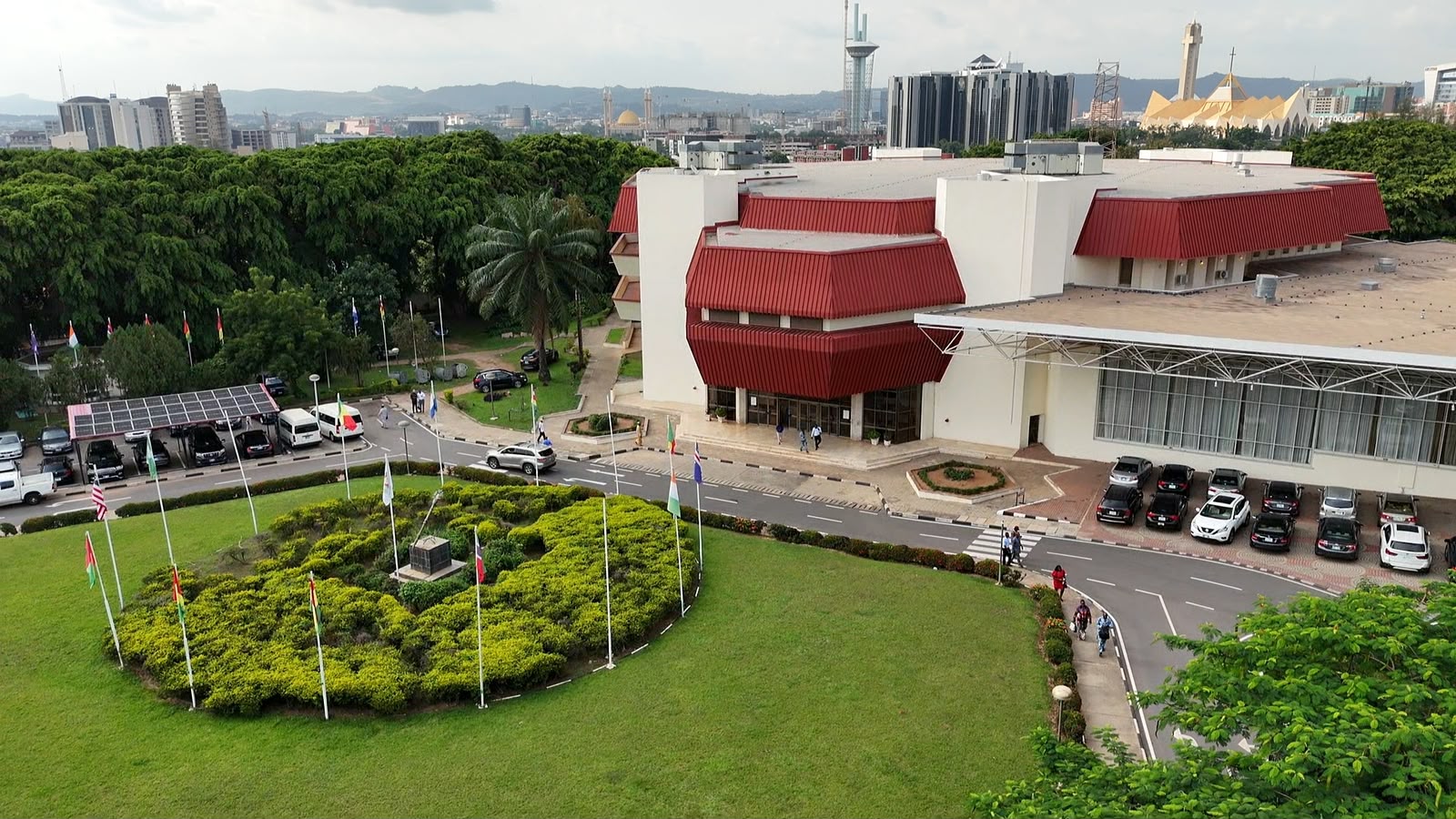
By Gloria Ikibah
Members of the ECOWAS Parliament have identified the key drivers of irregular migration across The Gambia and the wider West African region, while proposing a broad range of measures aimed at addressing the growing challenge.
The findings were presented by the forth Deputy Speaker, Hon. Billay Tunkara at the end of a Parliamentary Citizens’ Engagement on the Dangers of Irregular Migration and Modern Slavery, held in Banjul, The Gambia, from 6 to 10 July 2026.
Speaking on behalf of the parliamentary mission, Tunkara said the engagement reflected the regional parliament’s commitment to ensuring that citizens’ concerns shape policy decisions across the ECOWAS region.
He said: “Such solutions requires listening to communities, empowering young people, supporting survivors and returnees, strengthening families and creating opportunities that enable young people to choose hope, dignity and prosperity at home, rather than the risk of irregular migration.”
According to the report, participants consistently pointed to unemployment, underemployment, poverty, limited access to education and vocational training, as well as inadequate economic opportunities, as the main factors pushing young people towards dangerous migration routes.
The findings stated: “Many young people expressed the view that the opportunities currently available within the country (The Gambia) do not provide a realistic pathway to secure a prosperous future, thereby reinforcing the perception that migration offers a few viable means to improve their livelihood.”
The parliamentarians also found that family expectations, peer influence and misleading portrayals on social media continue to fuel irregular migration.
“Images and stories portraying migrants as successful abroad, together with the financial support sometimes provided by family members to facilitate irregular journeys, continue to encourage young people to migrate despite the known dangers”, the report noted.
The mission further revealed that testimonies from survivors and returnees painted a grim picture of the realities behind irregular migration.
“The testimonies of returnees and survivors confirmed that irregular migration and trafficking in persons are not abstract concerns but lived experience marked by deception, exploitation, forced labour, abuse, detention, family separation, and severe psychosocial trauma”, the report further noted.
Despite these experiences, the lawmakers observed that returnees could become powerful advocates against irregular migration.
“Participants nevertheless recognized that survivors and returnees can become powerful advocates for prevention. Their testimonies constitute one of the most credible means of sensitising young people in communities” it added.
The delegation stressed that awareness campaigns alone would not solve the problem unless they were backed by meaningful economic opportunities.
“Participants emphasized that awareness raising alone is insufficient to curb irregular migration, since the system must be accompanied by meaningful employment, entrepreneurial support, vocational skill development, agricultural modernisation, access to financing, and sustained investment in youth employment”, report stated.
The report also underscored the need to strengthen support systems for returnees.
“Social reintegration requires not only financial assistance, but also psychosocial care, skills development, livelihood support, job placements, community acceptance, and protection from stigma.
“Participants stressed the need for stronger legislation, more effective enforcement and penalties capable of deterring offenders and dismantling organised criminal networks.”
The engagement further highlighted the importance of direct interaction between lawmakers and citizens in shaping effective policies.
“The engagement also reaffirmed the value of direct interaction between parliamentarians and citizens. The combination of community-based dialogue, local language communication, survivors’ testimonies and support-based outreach helped strengthen trust, promote greater public awareness and encourage meaningful participation of young people and other community members”, it stated.
At the conclusion of the exercise, the ECOWAS Parliament recommended that member states prioritise job creation through greater investment in technology, technical education and vocational training centres.
The lawmakers also called for stronger legislation and closer cross-border collaboration to combat migrant smuggling and human trafficking, alongside improved intelligence sharing among security agencies.
Other recommendations included the establishment of comprehensive reintegration centres offering psychosocial support, vocational training, entrepreneurship assistance, business development services and employment opportunities for returnees and survivors.
The parliament also urged governments to expand access to affordable financing for young entrepreneurs, strengthen investment in education and agricultural training, modernise technical institutions, and incorporate lessons on irregular migration and human trafficking into school curricula.
The report further recommended increased investment in border surveillance technology, faster passage and implementation of The Gambia’s Immigration Bill, and a review of existing anti-trafficking laws to reflect emerging trends.
It also encouraged greater involvement of traditional rulers, religious leaders, civil society organisations, families and the media in sustained public awareness campaigns aimed at countering misinformation surrounding irregular migration.
The lawmakers further urged communities to discourage families from financing irregular migration and to report suspected cases of human trafficking and migrant smuggling to the relevant authorities.
They also advocated greater use of sports, arts and community dialogue as practical tools for educating young people about the dangers of irregular migration.
The delegation proposed institutionalising Parliamentary-Student Engagements across ECOWAS member states to strengthen oversight, public participation and evidence-based policymaking on migration and regional integration.
“The Parliamentary Citizen’s Engagement reaffirmed that irregular migration and trafficking in persons are complex regional challenges that require coordinated and sustained action by governments, parliaments, communities, civil society organisations, development partners and families”, it stated.
The parliamentarians commended the Government of The Gambia, the ECOWAS Resident Representative, development partners, traditional and religious leaders, youth and women groups, fishing associations, returnees, survivors and community members for their contributions throughout the engagement.
“The experience in Bakau, Brikama and Barra demonstrated that lasting solutions cannot be achieved through enforcement measures alone”, the report added.

Nigeria-Sierra Leone Renew Commitment to Stronger Bilateral and Regional Ties

Nigeria-US Renew Security, Trade, Investment Partnership

ECOWAS Parliament Maps Out Strategy to Tackle Irregular Migration Across West Africa




-

 Metro13 hours ago
Troops Kill ISWAP Cameraman In Borno, Recover Footage Of Terrorist Activities
-
 News13 hours ago
Police to Arraign ‘Presidential Council’ DG Adeniyi Adeyemi Over Alleged Forgery, Impersonation
-
 Metro13 hours ago
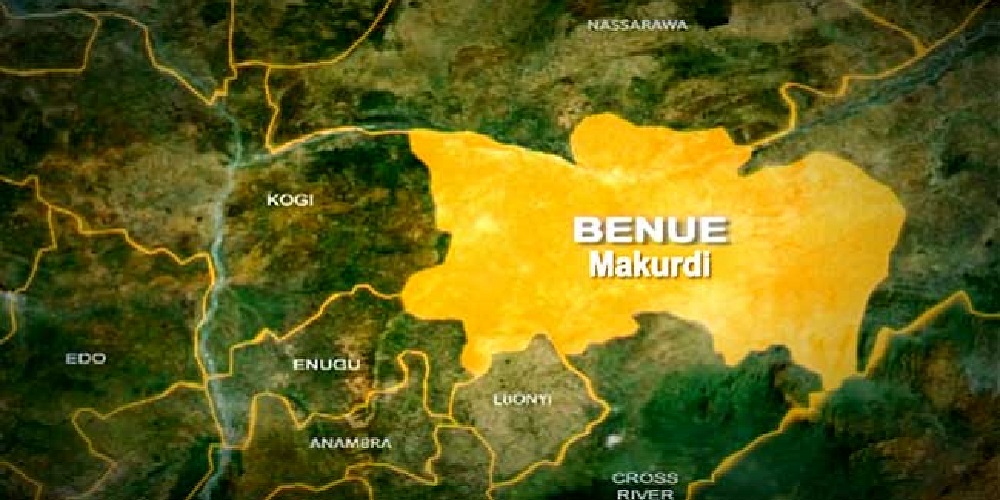
Och’Otukpo Orders Herders To Leave Otukpo Kingdom Immediately After Deadly Attack
-

 Sports13 hours ago
Super Eagles Goalkeeper, Stanley Nwabali Returns To Chippa United
-

 News4 hours ago
After 56 Days in Captivity, Oriire Parents Scared of Sending Rescued Kids Back to School
-

 News5 hours ago
One dies, seven injured as Gombe Assembly Complex under construction collapses
-
 News6 hours ago
NSITF promises Gambia of technical support, stronger partnership …As study tour ends in Abuja
-

 News5 hours ago
DAY 24 of Projects Commissioning and Flag-Off in the FCT
Warning: Undefined variable $user_ID in /home/naijuinz/public_html/wp-content/themes/zox-news/comments.php on line 49
You must be logged in to post a comment Login