Connect with us

Economy

Cost Of Living Crisis: Nigeria, Others Risk Social Unrest – AfDB

Published

on

ADVERTISEMENT
Zoom Ad
ADVERTISEMENT
Zoom Ad

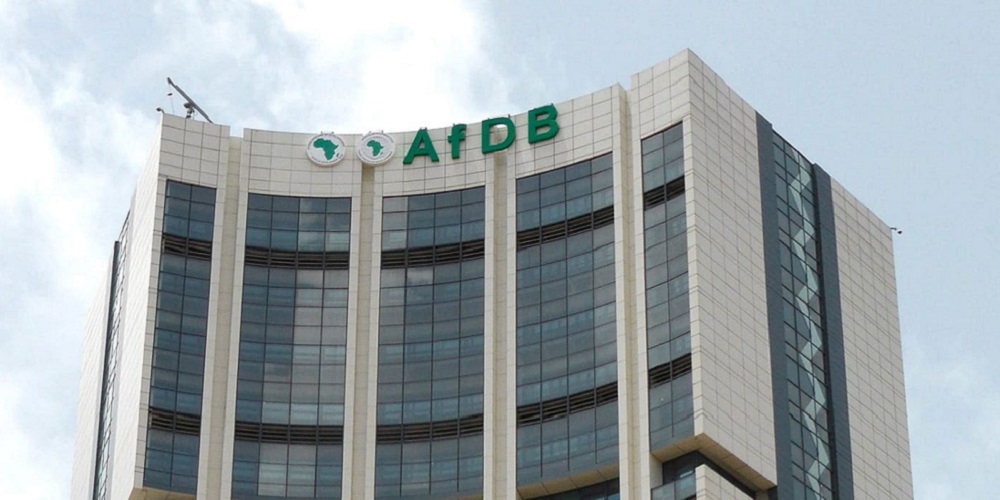
The African Development Bank (AfDB) has warned that Nigeria, Ethiopia, Angola and Kenya risk social unrest owing to the rising prices of fuel and other commodities.


The AfDB gave the warning in its macroeconomic performance and outlook for 2024 wherein it projected the continent’s economy to grow higher than the 3.2 per cent recorded in 2023.

Nigerians, in some states, including Kano, Niger, Lagos and few others, had protested against the cost of living crisis in the country, which is largely blamed on the federal government’s policies of the petrol subsidy removal and floating of the naira.

The Sultan of Sokoto and chairman of the Northern Traditional Rulers Council, Muhammad Sa’ad Abubakar III, had on Wednesday at the 6th Executive Committee meeting of the Northern Traditional Rulers Council in Kaduna, warned that with millions of Nigerian youths left without jobs and food, the country was sitting on a keg of gunpowder.

Advertisement

The Emir of Kano, Alhaji Aminu Ado Bayero, had, earlier on Monday, said there was serious hardship in Nigeria, asking the First Lady, Senator Oluremi Tinubu, to convey the message of the teeming populace about the hunger in the land to the president.

The emir spoke when Mrs Tinubu visited Kano to officially open the Faculty of Law building at the Maryam Abacha American University, Kano named after her.

The Minister of Agriculture and Food Security, Abubakar Kyari, had on Wednesday assured Nigerians that the government would distribute the 42,000 metric tonnes of grains free of charge.

The Nigeria Labour Congress (NLC) had, on Friday, declared a two-day nationwide mass protest on February 27 and 28. The NLC president, Joe Ajaero, said the decision to protest was taken after the expiration of the 14-day ultimatum earlier issued to the government over the nationwide hardship.

Advertisement

The AfDB, at the weekend, warned that internal conflicts could arise from an increase in energy and commodity prices occasioned by currency depreciation or subsidy removal referencing Nigeria, Angola, Kenya and Ethiopia, where energy subsidies were removed.

It stated, “Internal conflicts and violence could also result from rising prices for fuel and other commodities due to weaker domestic currencies and reforms.

“For instance, the removal of fuel subsidies in Angola, Ethiopia, Kenya and Nigeria and the resulting social costs has led to social unrest driven by opposition to government policy.”

The bank also said the increase in geopolitical tensions in Eastern Europe and the Middle East, coupled with the El Nino phenomenon, could trigger supply chain disruptions, which could exacerbate energy and food inflation across the world with Africa more vulnerable to these shocks.

Advertisement

The AfDB further warned that regional conflicts and political instability occasioned by disruptions in constitutional governments could have deleterious economic costs with resources meant for development and social support channeled into security and defence.

It also cautioned that an unconstitutional takeover of the government might lead to sanctions, which have negative implications for the economy.

Quit if you’re overwhelmed, PDP govs tell Tinubu

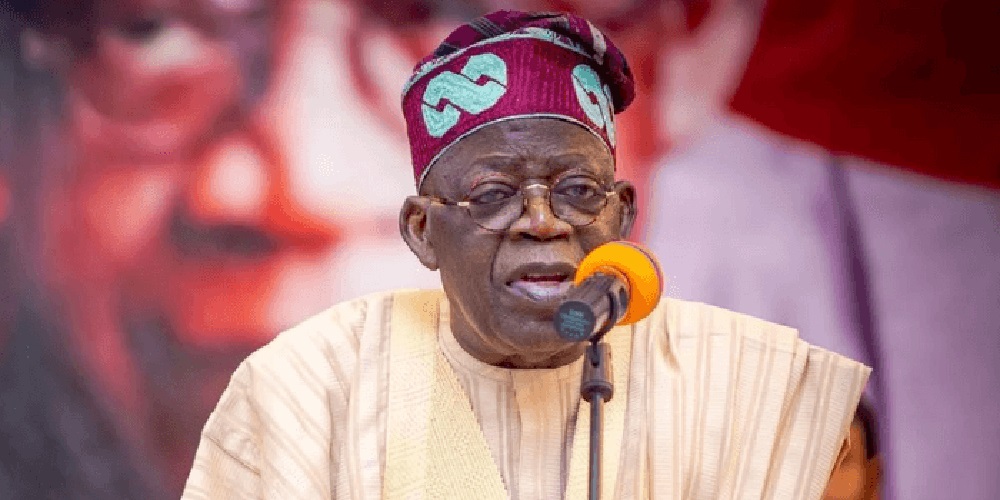
Governors elected on the platform of the opposition Peoples Democratic Party (PDP) have advised President Bola Ahmed Tinubu and the All Progressives Congress (APC)-led federal government to quit if they cannot provide a sustainable solution to the problems plaguing the nation.

Advertisement

The PDP governors gave the advice in a statement at the weekend, signed by the forum’s director-general, HCID Maduabum, reminding the APC-led government of the need to be guided by the fact that it was the APC that sought power to solve the problems of Nigeria and not to “compound them, shift blame or grandstand and use propaganda to obfuscate or confuse issues.”

The governors noted that the hardship and suffering being faced by Nigerians had no tribal, religious or party colouration, stressing that “a hungry man is an angry man.”

The governors said while all the tiers of government had a role to play, the APC-led federal government had a greater role in mobilising Nigerians and all the organs and tiers of government for sustainable solutions, adding, “If it cannot do so or is unable to do so, it should graciously throw in the towel.”

They assured that as stakeholders in governance they would continue to work collaboratively with the president in finding lasting solutions to “a very difficult situation created or exacerbated by the APC since 2015.”

Advertisement

When contacted for a reaction to the PDP governors’ allegations, the Special Adviser to the President on Information and Strategy, Bayo Onanuga, promised to get back to one of our correspondents, but he did not do so as of the time of filing this story.
Continue Reading
Advertisement

Economy

Why I Sold My Mansions In UK, US – Dangote

Published

on

By

ADVERTISEMENT
Zoom Ad
ADVERTISEMENT
Zoom Ad

Africa’s richest man and President of the Dangote Group, Aliko Dangote, has revealed why he sold off his luxury properties in the United States and the United Kingdom, saying the decision was driven by his determination to remain focused on building industries.

Dangote made the revelation during a television interview where he spoke extensively about discipline, sacrifice, commitment, and the mindset that shaped his rise as one of the world’s leading industrialists.

According to him, owning expensive properties abroad became a distraction at a critical point in his business journey, especially when he decided to shift fully into industrialisation.

“When I decided to go into industry, you know what I did, I sold all my properties in the US. I had two houses in the US, big mansions, and I had a house in the UK. I wanted to really sit in Nigeria and concentrate,” Dangote said.

The billionaire businessman explained that luxury assets outside the country often come with emotional and financial attachments capable of taking attention away from bigger goals.

“Sometimes when you own a house, a holiday home anywhere, you have to create time to go and use that property,” he stated.

Dangote noted that he deliberately embraced a simpler lifestyle in order to focus his energy on creating long-term industrial visions that would transform Nigeria and Africa.

“So now, my life is very simple, wherever I go, I use hotels. When I leave, nobody will call me for any form of maintenance,” he added.

The industrialist stressed that his commitment to business expansion and nation-building required total concentration and sacrifice, insisting that creating industries is not compatible with a life driven by luxury and distractions.

“I’m committed to what I do. I need time to create visions for what I do,” Dangote declared.

Continue Reading

Economy

CBN records $1bn daily forex market turnover

Published

on

By

ADVERTISEMENT
Zoom Ad
ADVERTISEMENT
Zoom Ad

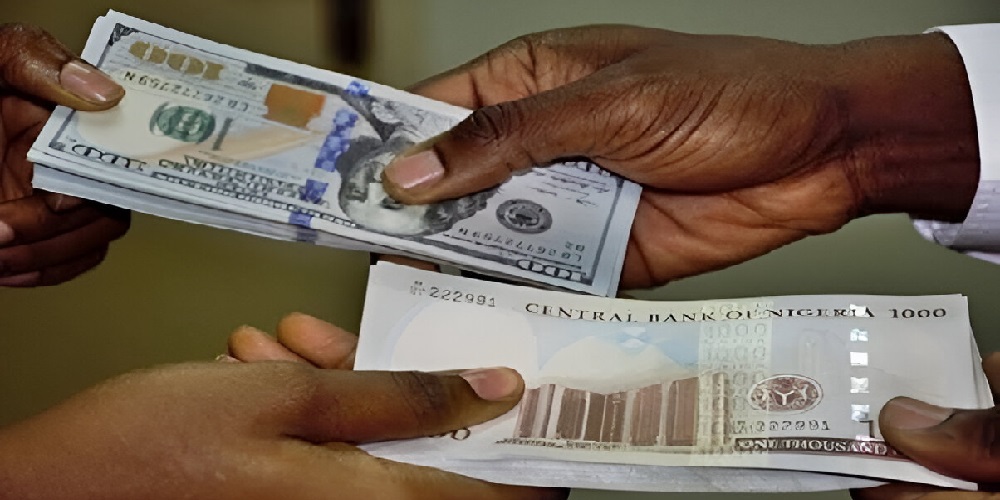
Governor of the Central Bank of Nigeria, Mr. Olayemi Cardoso, has disclosed that Nigeria’s foreign exchange market has recorded daily transactions of up to $1 billion on several occasions in recent months, describing the development as a major improvement in market liquidity and investor confidence.

Cardoso spoke during the official launch of the 4th Edition of the Central Bank’s Foreign Exchange Manual in Abuja, where he said reforms introduced by the apex bank have helped transform the foreign exchange market from a heavily intervention-driven system into a more transparent and active market.

According to him, average daily turnover in the market has risen significantly since the beginning of the current administration.

He explained that when the administration came into office, the foreign exchange market recorded average daily turnover of about $100 million.

However, he said the figure has now increased to between $400 million and $600 million daily, with the market already achieving the $1 billion mark on several trading days.

“When this administration took over, the average turnover per day was about $100 million. Now it has gone to an average of between $400 million and $600 million per day,” Cardoso said.

He added that the long-term target is to consistently achieve daily turnover of about $1 billion in the foreign exchange market.

According to the CBN governor, the improvement reflects growing confidence among market participants and increasing liquidity in the system.

Cardoso explained that Nigeria’s foreign exchange market has become more dynamic because participants now feel more confident entering and exiting the market without unnecessary restrictions.

He said the market has moved away from the previous situation where traders and investors depended mainly on periodic interventions from the Central Bank.

“We’ve gone from a situation where it was more or less a one-way market where the Central Bank came in, intervened and went away, and everybody waited for the next intervention,” he stated.

According to him, the market is now more transparent and active, encouraging greater participation from banks, investors and other operators.

Cardoso noted that deeper liquidity in the foreign exchange market would strengthen the economy and improve market stability over time.

He also stressed that foreign reserves should primarily serve as reserves rather than being constantly used to defend or fund the market.

The CBN governor explained that the revised Foreign Exchange Manual was introduced to improve clarity, consistency and efficiency in the management of the market.

He said the new manual was developed after extensive consultations with banks and other stakeholders to ensure that industry concerns and operational challenges were properly addressed.

According to him, the revised guidelines reflect international best practices and are designed to strengthen transparency and credibility in the foreign exchange market.

Cardoso urged banks, exporters, importers, government agencies and private sector operators to comply fully with the provisions of the new manual.

He stated that maintaining stability and credibility in the foreign exchange market requires collective responsibility and cooperation among all stakeholders.

The governor also disclosed that the revised manual would take effect from June 1, 2026, and would be distributed free of charge to authorised dealers to encourage compliance and proper implementation.

He warned market participants against any form of misconduct or abuse of the foreign exchange system, stressing that the apex bank would strengthen monitoring mechanisms to ensure fairness, accountability and consistency across the market.

Cardoso expressed confidence that the reforms being implemented by the CBN would continue to deepen the foreign exchange market, improve liquidity and support long-term economic stability in the country.

Earlier in his address, Deputy Governor, Economic Policy Directorate of the Central Bank of Nigeria, Dr. Muhammad Sani Abdullahi spoke on some of the major policy changes introduced in the revised manual.

Abdullahi said the CBN has harmonised the disbursement structure for Personal Travel Allowance and Business Travel Allowance with the revised Bureau De Change guidelines. Under the new arrangement, he said 75 per cent of PTA and BTA transactions would be processed electronically while only 25 per cent could be paid in cash.

He also disclosed that the allowable advance payment for imports has been increased from 15 per cent to 30 per cent.

Other major changes include free processing of Form NXP, new provisions for service exports, documentation requirements for technology companies’ remittances, and the introduction of guidelines for PAPSS transactions aimed at supporting regional payments and intra-African trade.

Abdullahi further said the revised manual allows payments for services and fees in foreign currency where receipts are earned in foreign currency. He added that the CBN has introduced Non-Resident Investment Accounts and Non-Resident Ordinary Accounts as part of efforts to improve market operations.

The deputy governor also disclosed that the revised manual now permits payment of tuition fees for undergraduate and postgraduate studies up to a maximum of $25,000 per semester.

He explained that holders of export proceeds and ordinary domiciliary accounts would now enjoy easier access to their funds, including transfers between banks for eligible transactions. According to him, foreign companies operating in Nigeria’s extractive sector would now be allowed full repatriation of export proceeds.

Abdullahi also said the mandatory requirement for Form A in certain transactions involving ordinary domiciliary accounts has been removed, although banks would still be expected to verify the legitimacy of such transactions.

He added that the revised framework now includes provisions aimed at stopping the front-loading of foreign exchange purchases. According to him, the reforms collectively seek to modernise Nigeria’s foreign exchange system, support legitimate business activities, improve efficiency and deepen confidence in the market.

Continue Reading

Economy

Just in: Nigeria’s inflation rises to 15.69% in April 2026

Published

on

ADVERTISEMENT
Zoom Ad
ADVERTISEMENT
Zoom Ad

Nigeria’s inflation rate increased marginally in April 2026, rising to 15.69 per cent from 15.38 per cent recorded in March, according to the latest Consumer Price Index, CPI, report released by the National Bureau of Statistics, NBS, on Friday.

The data showed a 0.31 percentage point year-on-year increase, indicating that the general price level of goods and services remained higher compared to the previous month.

However, the report also pointed to a slowdown in price increases on a month-on-month basis, suggesting a gradual easing in the pace of inflationary pressure.

According to the NBS, month-on-month headline inflation stood at 2.13 per cent in April 2026, down significantly from 4.18 per cent recorded in March.

“This means that in April 2026, the rate of increase in the average price level was lower than the rate of increase in the average price level in March 2026,” the bureau explained.

The statistics agency noted that although inflation remains elevated, the latest figures reflect a moderation in the speed of price increases across the economy.

On a 12-month average basis, the headline inflation rate for the period ending April 2026 was 19.16 per cent, slightly lower than the 19.33 per cent recorded in the corresponding period of 2025.

A breakdown of the report showed mixed inflation trends between urban and rural areas.

Urban inflation stood at 15.40 per cent year-on-year in April 2026, while month-on-month urban inflation eased to 1.86 per cent from 3.16 per cent in March.

The 12-month average urban inflation rate was 19.07 per cent, compared to 20.76 per cent recorded in April 2025.

In rural areas, inflation was higher at 16.36 per cent year-on-year, reflecting continued cost pressures outside major cities.

However, rural month-on-month inflation dropped sharply to 2.80 per cent in April, down from 6.73 per cent in March.

The 12-month average rural inflation rate stood at 18.99 per cent, higher than the 17.63 per cent recorded in the same period last year.

Continue Reading

Trending

Copyright © 2024 Naija Blitz News