Health
Lassa Fever: Benue Records 9 Deaths, 47 Confirmed Cases
At least nine deaths have been recorded from 46 confirmed cases of Lassa fever in seven local government areas of Benue State.

State Commissioner of Health and Human Services, Dr Yanmar Ortese, said that five health workers and four Internally Displaced Persons (IDPs) were among the numbers of confirmed Lassa fever cases in the state.
Ortese, worried by the development, said he was presently in Abuja to discuss the matter with the Director General of the National Centre for Disease Control (NCDC).

“Right now, I’m in Abuja with the DG of NCDC and I have presented the case of Lassa fever before him so we are discussing it. I have taken it to the national level,” he said.
State Epidemiologist, Dr Sam Ngishe, however, told our correspondent on telephone that the first case of the current Lassa fever outbreak in the state was noticed in week 50 of last year.
“Altogether, as at this moment, we are speaking from result gotten so far, Benue has 46 cases of Lassa fever spread across seven local government areas of the state to include, Obi, Okpokwu, Gwer West, Makurdi, Guma, Gwer East and Ukum. It’s actually an increase compared to what we had last year.
“So far, we have nine deaths in confirmed cases as we speak. We have been able to bury all in accordance with safe burial protocols across the various areas of the state where they hailed from,” Ngishe explained.
He said that they have sustained response through the intervention of the Federal Government, World Bank and NCDC, adding that the bodies had spoken loudly to enhance Benue’s surveillance efforts, risk communication in the community as well as spoken to the laboratory component of the response and co-ordinations.

Health
Experts Warn Of Rising Advanced HIV Cases In Nigerian Children
Health experts have raised concerns over the increasing cases of Advanced HIV Disease among children and adolescents in Nigeria, warning that stigma, poor awareness, and limited access to diagnostic tools are worsening the situation.
The warning followed the release of findings by the IMPAACT4HIV Consortium, which conducted research across Lagos, Kano, Rivers, and Gombe states to assess the challenges affecting children living with HIV and their caregivers.
Speaking while presenting the findings to journalists in Abuja on Friday, Executive Director of Support for Women and Teenage Children, Dr Ramat Garra, said many cases of advanced HIV disease could be prevented if there was greater awareness and early access to treatment.
She noted that the study, which used focused group discussions and key informant interviews, revealed that many caregivers and community members had little or no understanding of Advanced HIV Disease or its warning signs.
“In Rivers State, over 60 per cent of community participants showed little to no understanding of AHD warning signs, while caregivers at HIV clinics in Kano said they had never been informed about the condition,” Garra said.
According to her, the lack of awareness often leads caregivers to seek medical help only after the illness has progressed to a critical stage.
She also identified stigma as a major factor contributing to the worsening condition of children and adolescents living with HIV.
Garra said many adolescents stop taking their medications because they fear being seen at clinics, while some parents delay disclosing the HIV status of their children, a situation that allows the disease to advance.
“In Gombe State, three people reportedly died in the past year after stigma pushed them toward herbal remedies instead of seeking medical care,” she added.
The report also highlighted serious gaps in diagnostic capacity in many health facilities, including the unavailability of CD4 count tests, Cryptococcal Antigen tests, and TB-LAM assays used to detect advanced HIV disease.
According to the findings, shortages of testing reagents in Kano caused delays in diagnosis, while some patients with cryptococcal infections in Gombe were discharged without treatment due to a lack of medication.
The consortium further noted that none of the four states studied currently has a standalone policy addressing Advanced HIV Disease, as they all rely on general national HIV guidelines.
Experts warned that the absence of a specific policy framework has resulted in inadequate funding and persistent gaps in the management of advanced HIV cases.
They also pointed to the financial burden faced by many families, noting that while HIV treatment is officially free, indirect costs such as transportation continue to limit access to care.
In Rivers State, for instance, a change in drug pickup frequency reportedly increased transportation costs for caregivers, while in Gombe, some case managers used personal funds to help patients access treatment.
Also speaking, Executive Director of the African Network of Adolescents and Young Persons Development, Aaron Sunday, called on governments, donors, and healthcare providers to intensify efforts to address the growing challenge.
He urged state governments to develop dedicated policies on Advanced HIV Disease with specific budgetary provisions and strengthen adolescent-friendly HIV services.
Sunday also called on the National AIDS and STDs Control Programme and implementing partners to ensure the consistent supply of critical diagnostic tools and integrate AHD screening into paediatric, tuberculosis, and prevention of mother-to-child transmission services.
The IMPAACT4HIV Consortium, which includes the African Network of Adolescents and Young Persons Development, Initiative for Sustainable Community Development, and Support for Women and Teenage Children, said addressing stigma, improving diagnostics, and expanding community awareness would be key to preventing avoidable deaths among children living with HIV in Nigeria.
Health
Breast Cancer Cases in Women Predicted to Rise by a Third Globally
Health experts have warned that breast cancer cases among women worldwide could increase significantly in the coming decades if stronger prevention and early detection measures are not implemented.
According to recent global health research, the number of women diagnosed with breast cancer each year is expected to rise by about one-third by the year 2050. The projections indicate that annual cases could increase from roughly 2.3 million cases recorded in 2023 to about 3.5 million cases by mid-century.
Breast cancer remains the most commonly diagnosed cancer among women globally, and the rising numbers highlight the growing burden the disease may place on healthcare systems around the world.
In addition to the projected rise in new cases, the number of breast cancer-related deaths is also expected to increase significantly. Experts estimate that annual deaths could grow from around 764,000 currently to nearly 1.4 million by 2050, representing an increase of about 44 percent.
Impact Expected to Be Greater in Developing Countries
Although breast cancer affects women in all parts of the world, researchers say the projected increase will likely have a more severe impact on low- and middle-income countries.
Many of these countries face major challenges in providing adequate cancer screening, diagnosis, and treatment services. Limited access to modern healthcare facilities often leads to late detection of the disease, which reduces the chances of successful treatment.
In contrast, wealthier nations generally have better screening programmes, improved medical technology, and greater access to specialised treatment. This allows many cases to be detected earlier, increasing survival rates.
Health experts warn that without major improvements in healthcare systems in developing regions, the gap in survival rates between high-income and low-income countries could continue to widen.
Lifestyle Factors Linked to Breast Cancer
The study also highlights the role of lifestyle choices and health conditions that can increase a woman’s risk of developing breast cancer.
Researchers estimate that about 28 percent of breast cancer cases globally are linked to several modifiable risk factors. These include unhealthy lifestyle habits and certain medical conditions that may be preventable.
Some of the key risk factors identified include excessive alcohol consumption, smoking, obesity, high blood sugar levels, low physical activity, and high intake of red meat.
Health professionals say that addressing these factors through public education, improved nutrition, and healthier lifestyle choices could help reduce the number of future breast cancer cases.
Rising Cases Among Younger Women
Another concern raised by researchers is the increasing number of breast cancer diagnoses among younger women, particularly those between the ages of 20 and 54.
Although breast cancer is still more common among women aged 55 and above, experts say cases among younger women have been gradually rising over the years. Changes in lifestyle, environmental factors, and reproductive patterns are believed to contribute to this trend.
Call for Stronger Global Action
Medical experts are calling for greater global efforts to combat breast cancer, including expanded screening programmes, improved access to treatment, and stronger public health campaigns focused on prevention.
They stress that early detection remains one of the most effective ways to reduce deaths from breast cancer. When the disease is identified early, treatment options are often more successful and survival rates are significantly higher.
Researchers also emphasize the need for governments and health institutions to invest more in cancer care infrastructure, especially in countries where access to healthcare services remains limited.
With the number of cases expected to rise sharply in the coming decades, experts say coordinated global action will be essential to reduce the future impact of breast cancer and protect the health of millions of women worldwide.
Health
HIV Prevention Drug Set To Arrive Nigeria
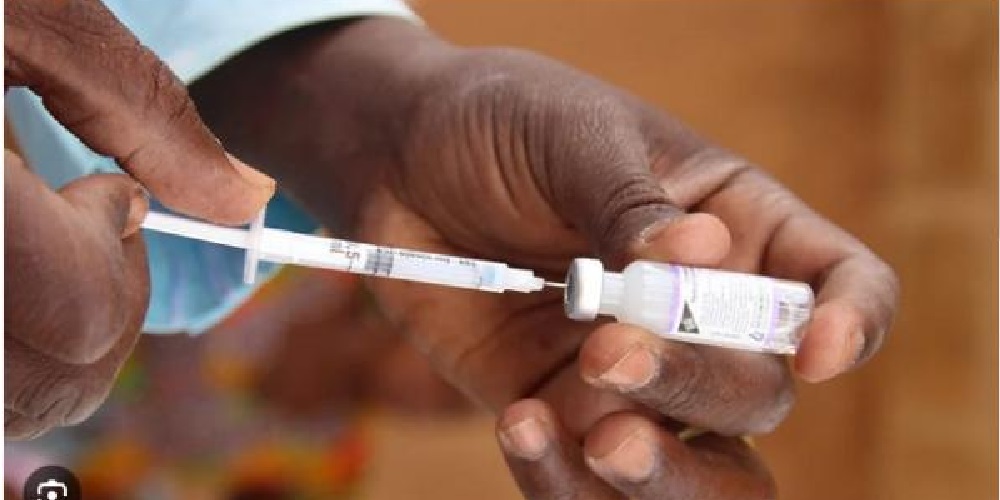
The National Agency for the Control of AIDS has announced that Nigeria will take delivery of Lenacapavir, a groundbreaking HIV prevention drug that has shown 100% effectiveness in preventing HIV infection in clinical trials.
A short statement released by the Head of Public Relations, NACA, Toyin Aderibigbe, on Monday said the agency has secured regulatory approval from the National Agency for Food and Drug Administration and Control.
Lenacapavir is an injectable treatment administered twice a year, making it a more convenient alternative to daily oral prevention drugs.
The drug is expected to be available in Nigeria and 119 other low- and middle-income countries at an affordable price of $40 per person annually, thanks to voluntary licensing agreements with generic manufacturers.
“The Government of Nigeria is advancing preparations for the introduction and rollout of Lenacapavir as Pre-Exposure Prophylaxis (PrEP).
“This is part of the government’s commitment to strengthen HIV prevention and accelerate progress toward epidemic control,” the statement read.
NACA listed some significant milestones achieved, including completion of landscape and readiness assessments across ten states: Akwa Ibom, Anambra, Benue, Cross River, Ebonyi, FCT, Gombe, Kano, Kwara, and Lagos, alongside regulatory approval by NAFDAC.
“The commodities are expected in the country in March 2026,” NACA noted.
Nigeria has approximately 1.9 million people living with HIV, with a national prevalence of 1.3% among adults aged 15-49 years.
The country recorded 74,000 new HIV infections and 51,000 AIDS-related deaths in 2021.
The South-South zone has the highest HIV prevalence at 3.1%, while women aged 15-49 years are more than twice as likely to be living with HIV as men.
-
News23 hours agoEkiti PDP fractured but We’ll rebuild It, Kolawole Assured, As Fayose’s Ally Omolase Emerges Chairman(Photos)
-
News23 hours agoSad: Iconic ex-Super Eagles midfielder, Henry Nwosu dies at 62
-
Economy8 hours agoCBN sets 18 as minimum age for BVN registration
-
News8 hours agoOndo community raises alarm over oil spill destroying fishing livelihoods
-
News16 hours agoTerrorists ambush patrol vehicle, k!ll 20 security operatives in Plateau
-
News19 hours agoINSECURITY: Thugs kidnap mortuary attendant, disrupt mass burial in Benue
-
Politics7 hours agoADC release 2026 nationwide congress, national convention timetable
-
News7 hours agoFuel price hike: Presidency counters Obi, says strategic reserve not solution