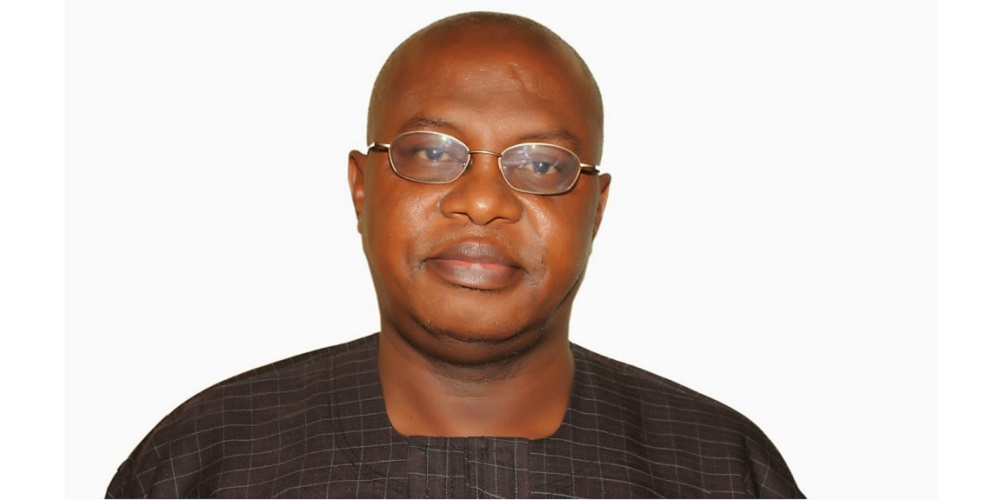
By Sonny Aragba-Akpore


The telecommunications industry appears troubled. With nearly 46 various taxes paid by the Mobile Network Operators (MNOs) and the intermittent crude drive by State Governments for funds to boost Internally Generated Revenue (IGR),the operators are agitating for tariff raise if they must remain in business and provide quality services in the face of all odds.
They say like every other industry operating in this near comatose economy where every price for every commodity has tripled, the operators think mobile telecommunications subscribers may pay more tariffs in the weeks ahead.
The sector has over $76billion worth of investments so far and the four major operators-MTN, Glo Mobile, Airtel and 9Mobile have between them connected 318million lines out of which 220mlllion lines are active. 
So the operators have served notice first to the regulator, Nigerian Communications Commission (NCC) and to subscribers that tariff increments are imminent.
In trying to justify the tariff increment they hinge it on the fact that “Consumer prices in other sectors have seen a steep rise over the last six years as they adjust to reflect macroeconomic realities.”
However, telco prices have remained flat and even declined. And contrary to the price trends in other sectors, telcos have had to adjust for the macroeconomic headwinds caused by an increasing erosion of margins, they reason.
“Other highly regulated sectors such as power and insurance have implemented price increases over the last year. Insurance prices have risen 200 per cent with power raising prices by over 240 per cent.”
They also decry the strong macroeconomic headwinds which have occasioned tough operating conditions, leading to a decline in CAPEX (Domestic) and Foreign Direct (Capital Inflow) investments into the industry by 30.37 per cent and 46.9 per cent respectively between 2021 and 2022.
These negative trends include inability to source foreign exchange and attract foreign direct investment because investors have become uncomfortable as a result of the grave economic uncertainty in the country.
Without meaning to link the crisis to a flip flop economy, the operators think unless something urgent is done, providing quality of service will not be sustainable because of the multiple effects of operating costs.
The operators first muted the idea of raising tariffs in 2022 even at a time the economy though not robust but was still thriving.
The price for diesel to power the base stations was still within manageable levels,while foreign exchange and acquisitions of same was still within reach.
But all that has changed now.
But for Dangote Refineries which has ruffled the diesel fields,with an imminent price war with existing suppliers,foreign exchange is still wobbling with so much unpredictable times ahead.
The economy is in a state of emergency where prices of everything has become nightmarish.
And so the operators think they can no longer cope with the status quo.
The Association of Licensed Telecommunications Operators of Nigeria (ALTON) lists some challenges including but not limited to multiple taxation and deficiency in infrastructure as part of the bane of robust services.
Industry players have urged the Federal Government to prioritise investment in telecoms infrastructure to aid the digital economy in the country.
They are of the view that government should woo foreign investors into Nigeria and also encourage the local investors to put their money into infrastructural development, especially in the rural areas.
Communications, Innovation, and Digital Economy Minster Dr. Bosun Tijani, hosted ALTON Chairman Engr. Gbenga Adebayo and his team in February 2024 where the operators argued that the tariffs set by the regulator(NCC) were insufficient in the light of escalating operational expenses.
Adebayo pointed out that, unlike the telecoms sector, other heavily regulated industries like power and insurance had seen price increases to reflect macroeconomic changes and the increased cost burden on operators.
While noting that the current price of services as pegged by the Nigerian Communications Commission (NCC) is unsustainable, the ALTON Chairman said: “Insurance prices have risen 200 per cent with power raising prices by over 240 per cent too.
“Telecommunications is the only sector that has not experienced a pricing regulatory framework review raising prices notwithstanding local and global macroeconomic realities.”
“Not only has this impaired investor confidence and depleted available investible funds necessary to optimise infrastructure for improved service delivery, but it also threatens the very sustainability of our members’ operations.”
The menace of Right of Way (RoW) still lingers and operators are yet to come to terms with what to do with it.
In fact,the regulator appears to be in a dilemma as to what to do more so in the face of the crisis of confidence operators allegedly have on it.
Recent data from the National Bureau of Statistics (NBS) indicates a rise in inflation to 33.20 per cent in March 2024, up from 31.7 per cent in February 2024. This poses significant challenges for businesses striving to manage staff welfare and make necessary investments amid economic strains.
The chairman of the Technology Committee of the Nigerian Bar Association(NBA) Section on Business Law, Effiong Ikemesit, recently raised concerns about the sustainability of Nigeria’s telecoms sector amid ongoing economic challenges.
The inflationary pressures have led to price increases across various sectors, including agriculture, beverages, and services. Companies such as Nigerian Breweries Plc and Netflix have adjusted prices multiple times this year to cope with rising costs.
Ikemesit highlighted various obstacles facing the telecoms industry, including frequent fibre optic cable cuts due to road construction and vandalism, multiple taxations, and challenges in acquiring rights-of-way. These issues, compounded by exploitative rent-seeking practices, have persisted despite efforts to resolve them, he averred.
Ikemesit posits that “Central to the sustenance of any industry is a conducive economic environment that allows for sustainable growth and innovation. However, regulatory constraints that limit tariff adjustments hinder the sector’s ability to adapt to market dynamics unlike other industries,”
While awaiting the report of the cost based studies conducted by KPMG appointed by the NCC Industry players say they are earning in Naira “and about 80% of our costs are in dollars. There’s no way we can have a sustainable business without increasing our prices with the value of the Nigerian currency falling every day, ”adding “already , it’s becoming very difficult to import equipment as costs continue to increase. So, increasing tariffs is no longer a matter of choice. It is a matter of urgency because a further delay will be at the detriment of the industry,” this player explained.
Another industry big wig who doesn’t want his name in print was quoted as saying:
“You know we are a heavily regulated industry. While the increment has been due since 2022 when the cost of diesel that powers our base stations jumped to N800 per litre, we had demanded for an increment, but the regulator said no.
“But they have also realised that the survival of the industry is at stake and that was why the cost-based study was commissioned. What we are waiting for now is the report of the study, which will give us the idea of a new floor price.”
By the provisions of Sections 4, 90, and 92 of the Nigerian Communications Act (NCA) 2003, the NCC has the mandate for the protection and promotion of the interests of subscribers against unfair practices including but not limited to; matters relating to tariffs and charges, regulates tariff in the telecom industry.
The regulator insists “it makes sure that the price regulation is guided by regular cost-based and empirical studies to determine the appropriate cost (upper and floor price) within which service providers are allowed to charge their subscribers for services delivered.”
“The Commission ensures that any cost determined, as an outcome of such transparent studies is fair enough to enhance healthy competition among operators, provide wider choices for the subscribers as well as ensure the sustainability of the Nigerian telecoms industry,” it added.
President, Association of Telecommunications Companies of Nigeria (ATCON), Mr. Tony Izuagbe Emoekpere told journalists recently that “even though all the operators in the industry wish to increase their prices because of the current market realities, they cannot go against the law (regulation).”
“The operators are still waiting for the recommendation of a cost-based study by KPMG, the consultant hired by the NCC. The study aims to recommend the most appropriate pricing structure for the industry, based on its findings considering the economic variables of the operating environment.”
Emoekpere said the operators are waiting for the regulator’s decision on price review since the current prices of calls, data, and other telecommunication services are no longer sustainable because of the key increase in the Capital Expenditures (CAPEX) and Operating Expenditures (OPEX) of operators.”