
News
Hypertension: Avoid any of these 5 exercises if you have blood pressure




Dealing with high blood pressure can feel like a constant battle. Do you ever wonder if your workout routine could be making it worse? Many focus on diet, which is crucial, but what about exercise? While staying active is key to better health, not all exercises are safe for those with hypertension. Some can cause sudden spikes in blood pressure, putting extra strain on the heart. You have to be careful about the exercises you do with high blood pressure.
Some exercises to avoid with high blood pressure include heavy weightlifting, sprinting, and intense high-intensity interval training (HIIT). These activities increase heart rate and blood pressure too quickly, posing dangerous health risks.
Instead, you should perform moderate, steady activities like walking, swimming, or yoga.
What is high blood pressure?
High blood pressure or hypertension occurs when the force of blood against your artery walls is too high. This makes your heart work harder, which can lead to serious health problems over time, such as heart disease or stroke.
According to the World Health Organization, hypertension affects over one billion adults globally or one in four adults aged between 30 and 79. It is the leading risk factor for death worldwide and accounts for about half of all deaths related to heart disease and stroke.
Blood pressure is measured with two numbers: systolic (the pressure during heartbeats) and diastolic (the pressure when the heart is at rest). Hypertension is diagnosed if either of these numbers is too high.
What are the symptoms of high blood pressure?
High blood pressure is often called the silent killer because it typically shows no symptoms. However, in severe cases or sudden spikes, certain symptoms may appear. Common symptoms include:
Dizziness
Heart palpitations
Nausea and vomiting
Headaches
Chest pain
Some people might even notice blood spots in the eyes, known as subconjunctival hemorrhage.
Other signs can include shortness of breath, blurred vision, fatigue, and confusion. In rare cases, high blood pressure can cause nosebleeds. It is important to remember that some people with high blood pressure feel fine, so regular check-ups are key to diagnosing it and starting treatment to manage it.
What causes high blood pressure?
High blood pressure can develop due to several causes, often a mix of genetic and lifestyle factors. Here are some common causes of high BP:
Genetics play a role, as family history can increase the risk of developing hypertension.
Lifestyle choices like a poor diet, especially high in salt, processed foods, or unhealthy fats, can lead to hypertension.
Age is another key factor—blood pressure tends to rise as we grow older.
Obesity is a major cause of hypertension, as extra body weight forces the heart to work harder to pump blood.
Lack of physical activity and excessive alcohol consumption also contribute to high blood pressure.
Smoking damages the blood vessels, increasing pressure in the arteries.
Chronic stress can also temporarily increase blood pressure, and over time, it may contribute to long-term hypertension.
Medications like birth control pills or overuse of pain relievers can also raise blood pressure.
Certain underlying medical conditions, such as kidney disease, sleep apnea, and thyroid problems, can lead to secondary hypertension. In some cases, conditions like diabetes or high cholesterol can worsen the risk.
High blood pressure can cause several health complications.
The Centers for Disease Control and Prevention (CDC) advises individuals to aim for 150 minutes of moderate-intensity exercise each week, which breaks down to about 30 minutes a day, five days a week.
They also recommend incorporating resistance training on two days per week. However, if you have high blood pressure or heart disease, it is crucial to consult your doctor before starting any workout routine. While exercise is typically beneficial for lowering blood pressure, certain types of workouts can place excessive strain on the heart.
Here are five exercises you should steer clear of if you have high blood pressure:
1. Heavy weightlifting
Lifting heavy weights can cause a rapid spike in blood pressure. When you lift something too heavy, your body naturally holds its breath, a phenomenon called the Valsalva maneuver. This temporarily restricts blood flow, leading to dangerous surges in pressure, which could be risky for anyone with hypertension, as per a study published in the Journal of Cardiovascular Development and Disease. If you still want to incorporate weightlifting into your routine, choose lighter weights only for a safer yet effective workout.
2. Isometric exercises
Isometric exercises, like planks or wall sits, involve holding a position for an extended period. This might sound harmless, but it puts your muscles under constant tension, which can significantly increase your blood pressure during the exercise. Sustained muscle contraction can force the heart to work harder, leading to an unhealthy rise in blood pressure, revealed a study published in the Journal of Cardiovascular Development and Disease. Instead, choose aerobic exercises such as cycling, swimming, etc. that allow for movement but does not put too much strain on your body.
3. High-intensity interval training (HIIT)
HIIT workouts involve alternating between short, intense bursts of activity and rest. While this type of training is known for its cardiovascular benefits, the extreme intensity can cause blood pressure to spike during the workout. In fact, for patients who lead a sedentary lifestyle and not used to HIIT exercises, HIIT can sharply increase the risk of sudden cardiac death or acute myocardial infarctions, according to a study published in Sports Health. Instead, focus on lower-intensity cardio exercises like walking or swimming to improve your heart health.
4. Intense sprinting
Like HIIT, sprinting places sudden and high demands on your cardiovascular system. When you sprint, your heart rate skyrockets, and with it, your blood pressure levels. “The rapid and intense effort forces the heart to pump blood quickly, increasing pressure in the arteries. For someone with high blood pressure, this can increase the risk of heart complications,” explains fitness expert Mukul Nagpaul. Stick to aerobic or cardio activities like jogging or brisk walking.
5. Dynamic exercises
Dynamic exercises are activities that involve quick movements and changes in direction, such as burpees or jumping jacks. These types of exercises can cause sudden fluctuations in blood pressure. “Your heart is constantly adjusting to the changing demands, which can be particularly strenuous for someone with hypertension,” says Nagpaul. Rather than dynamic, high-impact activities, you can do moderate-intensity exercises like cycling or yoga, which offer several benefits to your heart health.
Some other physical activities to avoid with high BP
In addition to exercise, certain physical activities are also risky for those with high blood pressure. These activities can push your cardiovascular system beyond its safe limits, so it is always best to avoid them.

By Gloria Ikibah
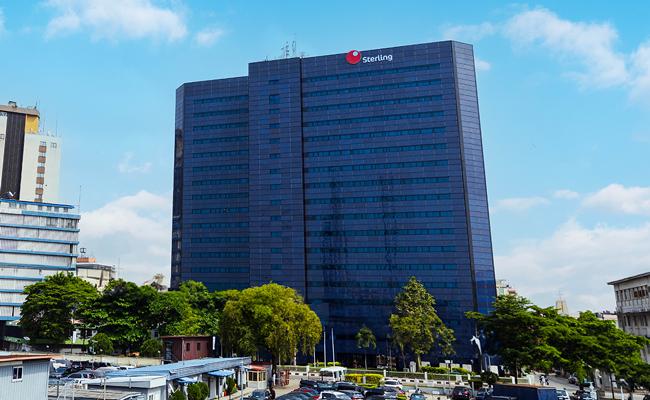
Sterling Financial Holdings Company Plc has commenced an approved share capital reconstruction, consolidating every 10 existing ordinary shares into one new share as part of efforts to streamline its capital structure and strengthen its appeal to investors.
The company disclosed this in a statement on Friday, saying the exercise followed several rounds of capital raising that had expanded its equity base.
According to Sterling Financial the reconstruction was designed to improve capital-structure efficiency, support strategic growth and make the company more attractive to institutional and retail investors.
The group enters the exercise on the back of a strong first-half performance, with profit after tax rising by 20.4 per cent to N50.3 billion, compared with gross earnings of N279.6 billion.
Its total assets stood at N4.67 trillion, while shareholders’ funds increased by 27.8 per cent to N547.7 billion.
The company said the reconstruction formed part of its broader strategy to optimise its share structure as it pursues sustainable earnings growth and stronger returns.
Trading in Sterling Financial’s shares on the Nigerian Exchange Limited (NGX) was temporarily suspended on Wednesday, September 23, to facilitate the exercise.
The suspension is scheduled to run for up to 10 working days, ending Wednesday, October 7, while the Central Securities Clearing System Plc (CSCS) and Pace Registrars Limited reconcile shareholders’ holdings and update the register.
The company said the resumption of trading will be communicated after the process had been completed and confirmed by the NGX.
Sterling Financial said the revised share structure was expected to support more efficient price formation and improve the assessment of per-share performance across reporting periods.
It added that the reconstruction will also allow investors to make clearer comparisons with relevant sector peers.
Shareholders approved the exercise at the company’s Annual General Meeting on June 9, 2026, while the required regulatory no-objections were obtained.
The Federal High Court also confirmed the share reduction exercise in an order dated September 22, 2026.
Under the new structure, Sterling Financial’s issued ordinary shares will fall from 68,502,331,708 to 6,850,233,171, with each share retaining a nominal value of 50 kobo.
The company stressed that the restructuring will not alter total shareholders’ funds.
It also clarified that the exercise was neither a fresh capital raise nor a cash distribution.
For individual shareholders, every 10,000 existing shares will be converted into 1,000 reconstructed shares, with the reference price adjusted tenfold.
According to the company, the adjustment is intended to preserve the calculated value of a shareholder’s holding at the point of reconstruction, although the actual market price may rise or fall when trading resumes.
Voting and economic interests will continue in proportion to shareholders’ reconstructed holdings, while accrued dividend entitlements will remain intact.
Future dividends, whenever declared, will be calculated based on the reconstructed share base.
Sterling Financial said the reconstruction itself did not determine the amount of any future dividend.
The conversion of eligible holdings will be automatic, with no application or payment required from shareholders.
Investors with valid CSCS account and stockbroker details will have their reconstructed shares credited electronically.
However, holders of physical share certificates have been advised to contact Pace Registrars and a licensed stockbroker for assistance in converting their holdings into electronic form.
The company explained that CSCS maintains electronic securities records, while a Clearing House Number identifies an investor within the system.
Holdings without valid CSCS account details will remain with Pace Registrars under a non-tradeable Registrar Identification Number until the required process is completed.
Shareholders with outdated or incomplete records were advised to contact the registrar to update their details.
Sterling Financial also advised investors with transactions awaiting settlement around the suspension period to confirm with their stockbrokers and the registrar how the approved record date and settlement cut-off would apply to their holdings.
Following completion of the adjustments, shareholders were advised to check their revised balances through their stockbrokers, CSCS or Pace Registrars and promptly report any missing or incorrect balances for reconciliation.

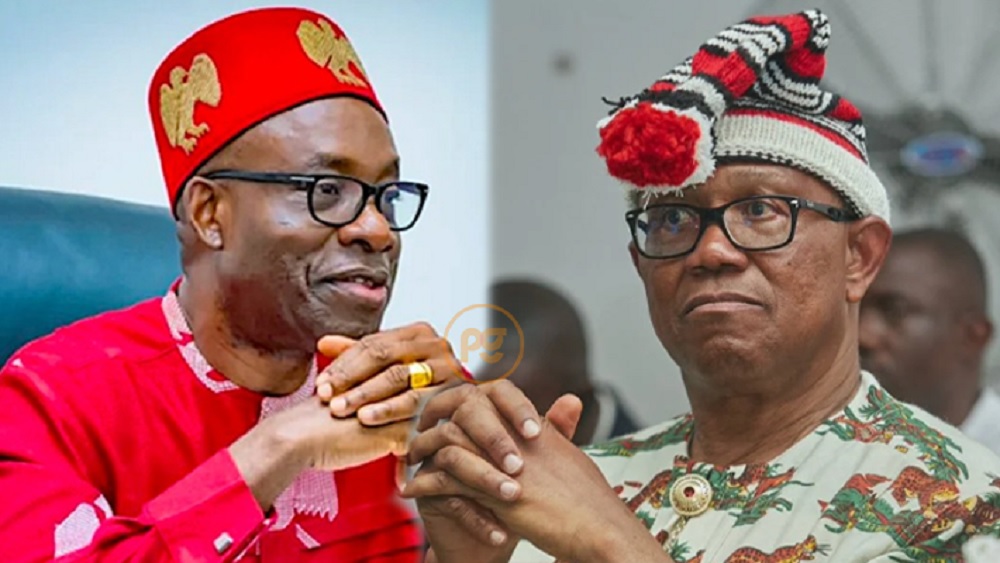
Anambra State Government has acknowledged that former Governor Peter Obi performed well during his tenure, while clarifying that its ongoing scrutiny of his administration’s financial records is not intended to discredit his achievements or political ambitions.
The state Commissioner for Information and Value Reorientation, Law Mefor, made the clarification while addressing the controversy surrounding Obi’s claim that he left no financial liabilities for subsequent administrations.
Mefor said the government’s position was focused on establishing the accuracy of the state’s financial records, particularly claims relating to funds allegedly left behind by the former governor.
He specifically questioned Obi’s assertion that his administration left N12.13 billion in an ecological fund account domiciled with First Bank at the Nnamdi Azikiwe University (UNIZIK), Awka branch.
According to the commissioner, the state government requested the relevant account statement from the bank but found no evidence supporting the claimed balance.
Mefor, however, stressed that the financial inquiry should not be interpreted as an attempt to diminish Obi’s record in office.
“The intention of the Anambra State government is not to indict Peter Obi. Peter Obi did well as governor.
“There is no rift between Governor Soludo and Peter Obi. They are both in politics, and they have their interests to defend,” he said.
The comments come amid renewed political exchanges between supporters of Obi, the former Anambra governor and Labour Party presidential candidate, and the administration of Governor Chukwuma Soludo.
While the two politicians have publicly differed over aspects of Anambra’s financial and developmental record, Mefor said the state government’s position was primarily aimed at clarifying the records rather than attacking Obi personally.
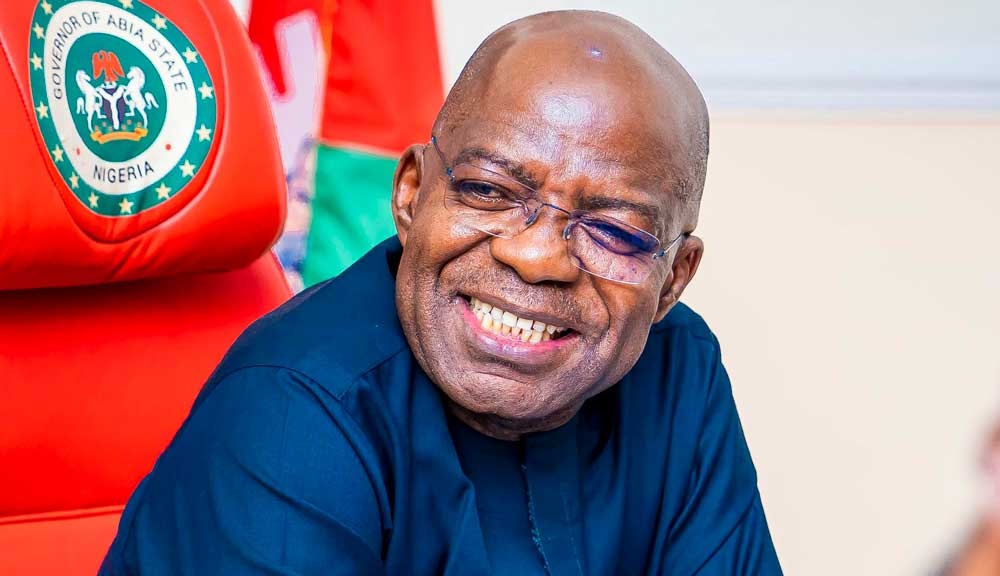
Abia State Governor Alex Otti has said he will support President Bola Ahmed Tinubu’s bid for re-election in 2027, despite remaining a member of the opposition Labour Party (LP).
Otti made the clarification during an interview with Arise Television on Friday, where he addressed questions about his relationship with the ruling All Progressives Congress (APC) and his position on Tinubu’s 2027 ambition.
The governor was asked whether his support for Tinubu amounted to a “comfortable arrangement” between him and the ruling party.
Otti agreed with the description, saying his position as a governor and member of the National Economic Council made it difficult for him to openly oppose the President’s re-election bid.
“It works the way you have said. It’s a statement of fact. I am not in a position to oppose his candidacy,” he said.
Otti explained that although he could disagree with some government policies, his membership of the National Economic Council meant he was also part of the broader governance structure through which federal policies and decisions were discussed.
He said openly opposing the President could create unnecessary tension within the system, adding that he preferred to raise disagreements during government meetings.
“And sometimes people don’t understand the opposition. When you say opposition, and you are part of a government, then what you are driving towards is implosion.
“So if I do have a problem with anything, I’ll sit down in one of our meetings and I’ll make my point. So I’m not going to oppose his candidacy,” Otti said.
The Abia governor further stressed that his role in the National Economic Council had placed him directly within the process of implementing and discussing policies of the Federal Government.
“I had also said that as a governor in this republic, that a lot of the things that are being, in fact, I’m part of all the things that have been done as a member of National Economic Council. So, we should distinguish that.
“When somebody now says, ‘Oh, you are supporting or you’re not,’ I have to support him,” he said.
However, Otti appeared to draw a distinction between supporting Tinubu’s re-election and abandoning the Labour Party.
When reminded of his earlier statement that he still had a presidential candidate in the Labour Party, the governor rejected the suggestion that he was referring to Tinubu.
“No, that’s not what I said,” he said.
Asked whether he was referring specifically to a Labour Party presidential candidate, Otti replied, “Yes.”
But when pressed again on whether he supported Tinubu’s 2027 bid, he responded: “What do you expect me to say? To say I’m not supporting him?”
Otti also said Tinubu had the constitutional right to seek another term in office, while noting that some of the President’s policies were consistent with positions he had previously held.
He specifically cited the removal of the petrol subsidy, which he described as unsustainable.
“Quite frankly, there are a lot of things that we have talked about now, that he has implemented, that resonate with me and my thinking.
“People don’t have to agree with me, but from where I sit, I know that for instance, the fuel subsidy was even unsustainable,” Otti said.

Sterling Financial Slashes Share Count Tenfold In in Capital Structure Overhaul

Soludo Govt Admits: ‘Peter Obi Did Well as Anambra Gov Amid Financial Records Dispute

US Sanctions Ground Iranian Airlines as Saudi Attacks Push Oil Above $106


-

 News9 hours ago
Pope Leo XIV Warns Against AI Risks, Urges World to Protect Human Dignity
-
 News9 hours ago
Nigeria @66: Tinubu Urges Citizens to Keep Faith, Says ‘Light At End of Tunnel
-
 Opinion12 hours ago
A Hall Where No One Listens: Can the UN Still Keep the Peace?
-

 Politics11 hours ago
2027: Wike to lead campaign team for Tinubu’s re-election in FCT, Rivers
-

 News11 hours ago
184.5kg cocaine bust: NDLEA docks KC Luxury, 2 accomplices, remanded in custody ( Photos)
-
 News9 hours ago
Aregbesola Missing From Atiku’s 2027 Campaign Council Amid Reported ADC Rift
You must be logged in to post a comment Login