

Connect with us

News

ISSA AREMU: “COMRADE-DG” AT 64

Published

on

ADVERTISEMENT
Zoom Ad
ADVERTISEMENT
Zoom Ad

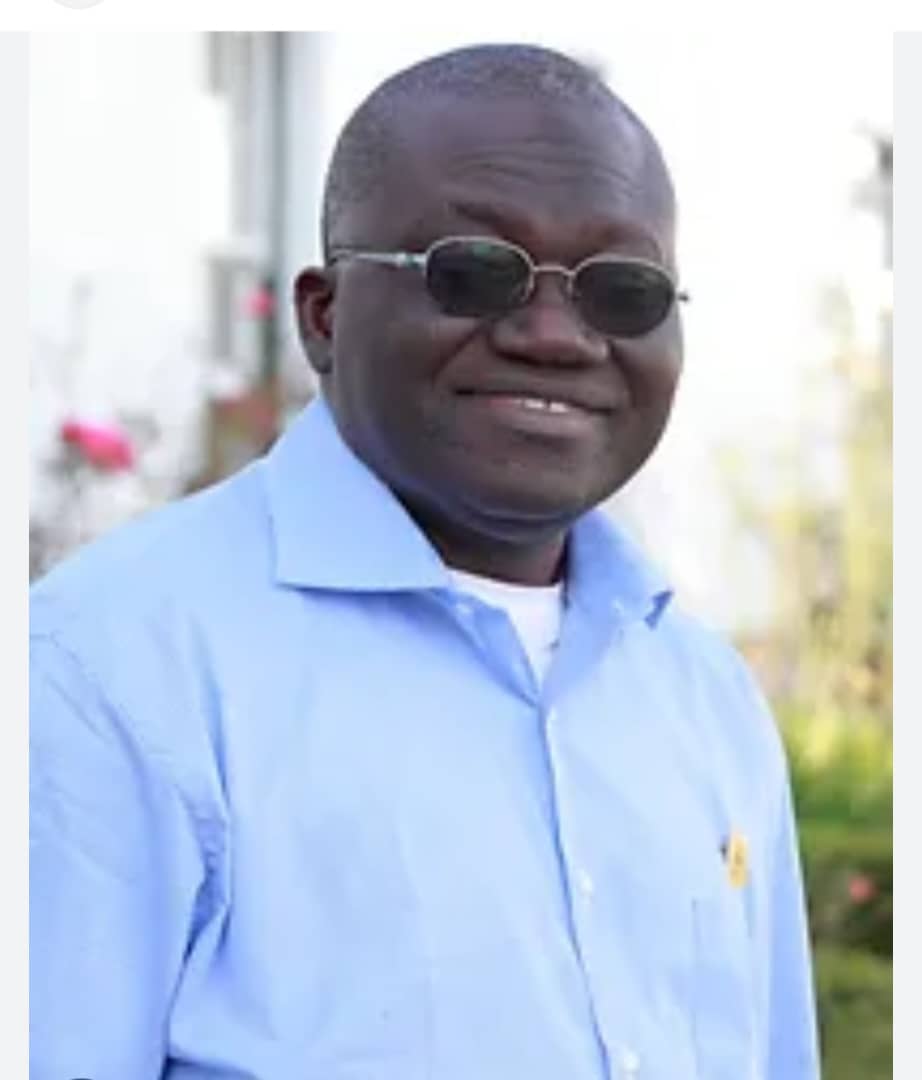
By Tunde Olusunle

A studious interrogation of his educational background, offers some insight into the experiences which crystallised into his latter day exertions as a left-inclined personality and public figure. He studied Economics at the University of Port Harcourt, posting a second class upper performance with honours. He encountered acclaimed radical theorists, Karl Marx, Friedrich Engels, Vladimir Lenin and so on in the course of his studies and research. He was mentored by the famous, radical political economist, Bade Onimode, Emeritus Deputy Vice Chancellor of the University of Ibadan, who sadly passed at 57 in 2001, among a cream of other influencers. He would thereafter pursue a career in journalism, opting for the labour beat in a vocation which was undergoing very rapid professionalisation at the time.

The Kano-based *Triumph* newspapers was his first address back in 1981. It was a milieu during which almost each of Nigeria’s 19 states owned print and electronic media organisations. He thereafter underwent the mandatory one-year National Youth Service Corps, (NYSC), at the upcoming *Concord* newspapers in Lagos, between 1985 and 1986. He was engaged upon the completion of his NYSC, at the national headquarters of the Nigeria Labour Congress, (NLC). He thus became one of the country’s first university graduates employed by the nation’s foremost umbrella association for Nigerian workers. The gravitation of young technocrats like him was thenceforth going to energise the labour superstructure and impact public perception of the labour movement in Nigeria.

Born in Ijagbo in Kwara State, January 8, 1961, Issa Obalowu Aremu’s life is as cosmopolitan as can be imagined. His untiring quest for knowledge has taken him around and about his home country and beyond. He has traversed educational institutions in Ilorin, Kwara State; Zaria, Kaduna State; Port Harcourt, Rivers State; Jos, Plateau State; Maryland in the United States of America, (USA), and The Hague in the Netherlands. The journey of his life has been populated by significant milestones all the way. He headed the Economics and Research Department of the NLC headquarters domiciled in Lagos at the time, between 1987 and 1989. He was on the Senior Executive Course 27 of the National Institute for Policy and Strategic Studies, (NIPSS), graduating in 2005. He would later serve for two terms, 2013 to 2017, as Secretary-General of the Alumni Association of NIPSS, known by the acronym *AANI.* He was Vice President of the NLC for two terms, stretching from 2007 to 2015.

Advertisement

While on this assignment, Issa Aremu was tapped as a Delegate of the Organised Labour, to the National Conference convened by Nigeria’s former President Goodluck Jonathan in 2014, and was Deputy Chairman of the Committee on Civil Society, Labour, Youths and Sports. Aremu previously described the Conference as “wasteful and diversionary.” He canvassed good governance, in place of talkshops. His perspective was different, however, after his participation in the Conference. He confirmed in a television interview that about 500 recommendations were proposed by the assembly to issues at the heart of the nation, which received concurrence by consensus. He alluded to labour-related issues such as workers’ remuneration; pensions and gratuities; hours of work and maternity duration as some of the issues canvassed by the organised Labour.

On May 18, 2021, Issa Aremu widely known in labour and trade union circles as *Comrade,* was appointed Director-General of the Michael Imoudu National Institute for Labour Studies, (MINILS), by the immediate past President, Muhammadu Buhari. The institute was established by the administration of Nigeria’s Second Republic President, Usman Shehu Shagari, in 1983. It has been suggested that Senate Leader in that era, Olusola Saraki, was largely influential in siting the institution in Kwara State, the charismatic politician’s home state. This tallies with the latter day disposition of the older Saraki’s son, Bukola, governor of Kwara State between 2003 to 2011, who substantially assisted with the construction and modernisation of structures in the institute. MINILS is supervised by the Federal Ministry of Labour and Employment. It is headquartered in Ilorin, Kwara State, with a number of regional outposts in select states across the country. Aremu thus became the very first core, career trade and labour practitioner to be appointed to the position.

Aremu has successfully undertaken the renovation of the training block of the institution and installed solar facilities for the supply of energy to the directorate, administrative, training and education blocks, as well as the resource centre of the organisation. From time to time, he rehabilitates the dirt access from the Ajasse-Ipo road approach, to the institution’s main gate, to ensure motorability. The said road is long overdue for asphalt or concrete tarring, both for the convenience of commuters and the health of other users, presently condemned to dangerous, daily dust inhalation. The parent ministry of the institute is reportedly collaborating with its parastatal, MINILS, and the Government of Kwara State to make the perimeters and precincts of the institution much better. Former Senate President, Bukola Saraki and his successor, Abdulfatah Ahmed, were very supportive of the physical development of the institute. They built accommodation facilities and resource infrastructures to augment the evolution of MINILS.

There is, reportedly, continuing tripartite dialogue about how best to relocate illegal vendors and hawkers lining the major approach entrance into MINILS, as soon as feasible. Parties in the talks are said to include the Kwara State Government; the Federal Ministry of Labour and Employment, and MINILS. The tertiary institution is reputed to be the only such establishment, solely devoted to capacity building for labour and trade unionists on the west coast of Africa. It is imperative to impose more sightly aesthetics around and about the 42 year old institute, both for Nigerian nationals, and potential foreign subscribers and partners. The sprawling beauty into which the older University of Ilorin within the same city as MINILS has evolved into, has become a veritable inspiration for other tertiary institutions in Kwara State. MINILS under Aremu’s leadership last year, successfully hosted the *10th National Labour Summit* in its Ilorin facility.

Advertisement

Unknown to many, Issa Aremu is indeed a public scholar with many published works to his credit. These include: *The Crises of Pricing Petroleum Products in Nigeria,* and *The National Union of Textiles, Garments and Tailors,* both published in 2001. In 2015, four anthologies of Aremu’s essays were released namely: *Reflections on Friends, Comrades and Heroes;* *Reflections on Industry and Economy;* *Reflections on Labour and Trade Unions* and *Reflections on Africa and Global Affairs.* The reputable *Malthouse Press,* in Ibadan did professional justice to the aesthetics of the books. Creative alternative titles, however, should have been deployed to distinguish all four publications which titles begin with the word “Reflections.” Synonyms like “Thoughts,” “Musings,” even “Thinkings” are credible possibilities.

Aremu who still finds time to contribute to issues on the front burner of public discourse, from time to time, had previously functioned as Member, National Executive Council of the NLC and General Secretary, National Union of Textile, Garment and Tailoring Workers of Nigeria, (NUTGTWN). He was Board Member, National Salaries, Incomes and Wages Commission, (NSIWC), and Vice President, Industrial Global Union, representing over 50 million members globally. Apart from NIPSS, Aremu was at the Institute for Social Studies, (ISS), The Hague, Netherlands from 1990 to 1991, from where he obtained a masters degree in Labour and Development. He was also at the George Meany Centre of the National Labour College in the United States, in 2003.

Issa Aremu wears an almost permanent smile on his face. He attempted the governorship of Kwara State in 2019, on the platform of the Labour Party, (LP). His endeavours as a Comrade over time have been acknowledged at various times. A Member of the National Institute for Policy and Strategic Studies, (NIPSS), since 2005, the *mni* appellation is affixed to his name. He also received the Nigerian Productivity Order of Merit, (NPOM) in 2014, and the *Gold Prize Public Service Award* in 2024. He enjoys debate and cycling. He is happily married to Khadijat Aremu and blessed with children. His family has attuned to his lifelong career on the frontlines of trade and labour unionism.

*Tunde Olusunle, PhD, Fellow of the Association of Nigerian Authors, (FANA), teaches Creative Writing at the University of Abuja*
Advertisement

News

Fire security chiefs if terrorism in next 90 days if insecurity persists– Adeboye urges FG

Published

on

ADVERTISEMENT
Zoom Ad
ADVERTISEMENT
Zoom Ad

The General Overseer of the Redeemed Christian Church of God, Pastor Enoch Adeboye, has advised the federal government to give Nigeria’s security chiefs a 90-day deadline to eliminate terrorists across the country or resign from office.

Adeboye made the call in a video shared on X on Tuesday where he expressed concern over the country’s security situation and urged authorities to act swiftly against those responsible for the violence.

Addressing the government, the cleric said security chiefs should be held accountable for delivering results in the fight against terrorism.

“If I were asked to make suggestions, I would say quietly to our government, ‘Move fast and tell our security chiefs, get rid of these terrorists within 90 days or resign,” he said.

Advertisement

The cleric also called on the government to go beyond targeting terrorists and focus on those financing and supporting their activities.

“When giving orders to the service chiefs this time around, we should make it clear to them that they are not only to eliminate the terrorists; they should eliminate their sponsors, no matter how influential they may be,” he added.

Adeboye recalled advising a former Nigerian president to issue a similar ultimatum to security chiefs in the past, noting that although the directive was given, it was not fully enforced when the deadline elapsed.

According to him, the experience underscored the need for stronger political will and strict enforcement of directives aimed at ending insecurity.

Advertisement

The cleric’s remarks come amid renewed concerns over terrorist attacks, banditry and kidnappings in several parts of the country, with calls mounting for more decisive measures to tackle the security challenges.

Continue Reading

News

Reps Demand Swift Action Over Abduction of 42 Pupils in Borno

Published

on

ADVERTISEMENT
Zoom Ad
ADVERTISEMENT
Zoom Ad

…seek tougher protection measures for schools in high-risk communities

By Gloria Ikibah

The House of Representatives has called for the immediate rescue of 42 schoolchildren abducted from Mussa Ward in Askira-Uba Local Government Area of Borno State, as lawmakers renewed demands for stronger security around schools across Nigeria.

The resolution was sequel to the adoption of a Motion of Urgent Public Importance sponsored by Rep. Midala Balami during Tuesday’s plenary session.

Advertisement

Debating the motion, Rep. Balami described the abduction as a disturbing reminder of the persistent insecurity confronting communities in Borno State and other parts of the country. He emphasised that safeguarding students, teachers and educational institutions remains a core responsibility of government and warned that repeated attacks on schools continue to threaten access to education and undermine public confidence in security efforts.

The lawmaker recalled a series of high-profile abductions in the state, including the Chibok schoolgirls kidnapping, in which many of the victims are yet to be reunited with their families. He also referenced the mass abduction of more than 400 adults and children from Ngoshe, as well as several kidnappings reported along the Biu-Buratai Road and surrounding communities.

According to Balami, the recurring attacks have left families traumatised, disrupted livelihoods and contributed to declining school enrolment and attendance in vulnerable areas, as many parents fear for the safety of their children.

He argued that urgent and coordinated action is needed to secure the release of those still in captivity, restore public confidence and reassure communities that their safety remains a priority.

Advertisement

The lawmaker also noted growing frustration among residents who increasingly expect concrete results in the fight against insecurity rather than repeated promises.

Following deliberations, the House urged the Federal Government and security agencies to intensify efforts to rescue the 42 abducted pupils and all other victims currently being held by kidnappers or insurgents, with a view to reuniting them with their families as quickly as possible.

Lawmakers further called for enhanced protection of schools in Borno State and other vulnerable regions through increased deployment of security personnel, improved intelligence gathering and more effective rapid-response mechanisms.

The House maintained that ensuring the safety of children and protecting access to education must remain a national priority, particularly in communities that continue to face threats from criminal and insurgent groups.

Advertisement

In addition, the House encouraged the expansion of school protection initiatives, including early warning systems, community-based security arrangements, security awareness programmes and improved surveillance infrastructure around educational institutions.

The House further mandated its Committees on National Security, Defence, Basic Education and Legislative Compliance to engage with relevant security agencies and report back on measures being taken to secure the release of abductees and improve security around schools nationwide.

Lawmakers also urged the Federal Government to develop and implement a comprehensive Safe Schools Security Framework aimed at protecting students, teachers and educational institutions from future attacks.

Advertisement
Continue Reading

News

Lawmakers Raise Alarm Over Ebola Risk, Demand Emergency Funds Support for NCDC

Published

on

ADVERTISEMENT
Zoom Ad
ADVERTISEMENT
Zoom Ad

By Gloria Ikibah

The House of Representatives has urged the Federal Government to immediately release funds to the Nigerian Centre for Disease Control and Prevention, warning that Nigeria’s ability to respond to a potential Ebola outbreak could be undermined by persistent funding shortfalls.

This was sequel to the adoption of a motion moved by Rep. Amobi Ogah, who drew lawmakers’ attention to the recent outbreak of a rare strain of the Ebola virus in the Democratic Republic of the Congo, on Tuesday at plenary.

Debating the motion Rep. Ogah referenced reports by the Africa Centres for Disease Control and Prevention indicating that the outbreak was detected in Turi Province of the DRC on May 15, 2026.

Advertisement

He warned that Nigeria remains particularly vulnerable due to extensive cross-border movements and the country’s porous borders, factors that could increase the risk of disease importation.

Oga who is the Chairman House Committee on Malaria, HIV and Tuberculosis noted that on May 25, 2026, the Nigeria Centre for Disease Control and Prevention classified Nigeria as being at high risk of Ebola importation and activated emergency preparedness protocols, including placing the National Emergency Operations Centre on alert.

Despite these precautionary measures, Ogah expressed concern over what he described as a severe funding crisis affecting the agency.

According to him, the NCDC received no operational funding throughout 2025, while no capital releases had been made against its approved 2026 budget. He also stated that overhead releases to the agency had been irregular and inadequate.

Advertisement

The lawmaker argued that the funding constraints had significantly weakened the NCDC’s capacity to carry out essential public health functions, including disease surveillance, laboratory operations, outbreak response, logistics management and emergency preparedness activities.

“The preparedness of the Centre cannot be guaranteed under the current circumstances,” he said.

Ogah told lawmakers that the agency is currently grappling with multiple operational challenges, including unpaid contractors and vendors responsible for critical supplies and services.

He also highlighted delays in the construction of zonal laboratories, treatment centres and isolation facilities, as well as shortages of laboratory reagents and consumables needed for testing and diagnosis.

Advertisement

Other challenges identified include inadequate biosecurity infrastructure, limited intensive care and oxygen support systems, and insufficient resources for the training and deployment of rapid response teams across the country.

The lawmaker warned that failure to provide urgent financial support could leave Nigeria exposed to the renewed Ebola threat and other infectious disease outbreaks.

He stressed that strengthening the country’s disease surveillance and response capabilities was critical to safeguarding public health and preventing a repeat of previous epidemic emergencies.

Contributing to the debate, Rep. Billy Osawaru commended the sponsor of the motion and reminded Nigerians of the country’s successful containment of the 2014 Ebola outbreak after the virus was introduced by an infected traveller from Liberia.

Advertisement

He noted that Nigeria limited the outbreak to 20 cases and eight deaths through coordinated efforts by healthcare workers, emergency response agencies, the Federal Ministry of Health, the NCDC, and international partners.

Osawaru praised the courage and professionalism displayed by frontline health workers during the crisis, particularly the late Dr. Stella Adadevoh and other medical personnel whose actions helped prevent a wider outbreak.

The lawmaker, however, warned that Nigeria remains vulnerable due to its extensive land borders, heavy international travel and trade activities, and increasing regional mobility.

He expressed particular concern that the current outbreak is linked to the Bombali virus, a rare strain of Ebola for which there are currently no approved vaccines or specific treatments.

Advertisement

“The risk of importation remains real if proactive preventive measures are not strengthened and sustained,” he said while seconding the motion.

The House unanimously adopt the motion directed the Executive Arm of Government to immediately release funds appropriated for the NCDC to enable the agency settle outstanding liabilities and carry out its statutory responsibilities effectively.

The lawmakers also mandated the House Committee on Infectious Diseases to monitor the utilisation of the released funds and report back to the House for further legislative action.

In addition, the House called on relevant border and port authorities to intensify surveillance and screening activities at entry points across the country to prevent the importation of the disease, while the Committee on Legislative Compliance was tasked with ensuring full implementation of the resolutions.

Advertisement

The resolution comes amid growing concerns across Africa over the spread of infectious diseases and renewed calls for stronger investment in public health infrastructure and emergency preparedness systems.

Continue Reading

Trending

Copyright © 2024 Naija Blitz News