
News
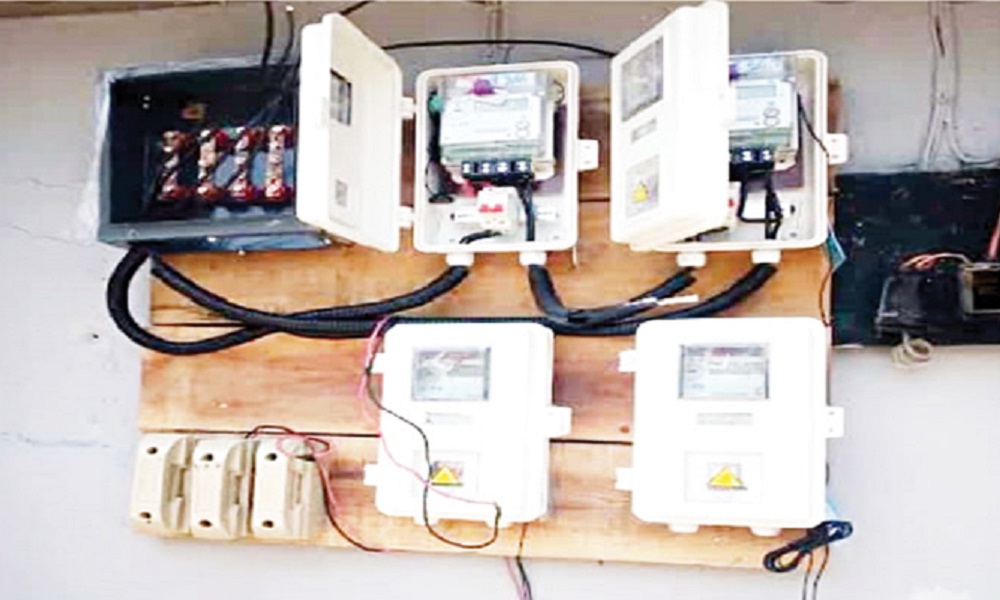
Consumers kick as IBEDC hikes energy cost

- /home/naijuinz/public_html/wp-content/plugins/mvp-social-buttons/mvp-social-buttons.php on line 27
https://naijablitznews.com/wp-content/uploads/2024/06/electricity-meters.jpg&description=Consumers kick as IBEDC hikes energy cost', 'pinterestShare', 'width=750,height=350'); return false;" title="Pin This Post">
- Share
- Tweet /home/naijuinz/public_html/wp-content/plugins/mvp-social-buttons/mvp-social-buttons.php on line 72
https://naijablitznews.com/wp-content/uploads/2024/06/electricity-meters.jpg&description=Consumers kick as IBEDC hikes energy cost', 'pinterestShare', 'width=750,height=350'); return false;" title="Pin This Post">


The Ibadan Electricity Distribution Company is under fire for raising its minimum energy credit purchase requirement for Band A customers to N5,000.
The Disco also capped the minimum energy credit for customers on other bands at N2,000, sparking outrage and condemnation from various consumer groups.
In a message to its customers, the IBEDC said, “Please be informed of a recent update regarding IBEDC electricity recharge. Users on Band A must now make a minimum recharge purchase of N5,000. Users in other bands must make a minimum purchase of N2,000.
“Kindly note that this new payment structure is effective already and applies exclusively to IBEDC customers.”
The PUNCH reports that before now, customers were allowed to purchase energy credit of any amount and this still operates in other Discos except the IBEDC.
The spokesperson of the Ibadan Disco, Busolami Tunwase, said this new policy was to curb energy theft, but she did not give further details about how this will be achieved.
“It’s part of efforts at curbing energy theft,” she tersely replied when our correspondent contacted her.
Defending the initiative, a top official of the company who did not want to be mentioned, said currently, while reviewing the vending platform, it was discovered that some customers were vending low amounts which they use for a whole month, wondering if this could be possible.
“If a Band A customer vends 50 units, the amount to pay is N10,450 exclusive of VAT. So, this means the customer is using less than two units a day for one month? We think this is practically impossible,” the official stated.
He noted that some customers were engaging in meter bypass, thereby paying little to enjoy a stable power supply.
Speaking on the matter, the National Coordinator of All Electricity Consumers Forum, Adeola Samuel-Ilori, noted that the policy has to be reversed to avoid backslashes.
Samuel-Ilori said it is against consumers’ right to choice and this may trigger litigations.
“It’s unacceptable to take away the right of people to choose what their purchasing power can afford. Electricity is not a privilege but a right under the constitution and power sector law of operation. A reversal will be required in my official letter to the IBEDC this week. And after the ultimatum, we may engage litigations to compel reversal,” he told The PUNCH.
Also, the Convener of PowerUp Nigeria, Adetayo Adegbemle, remarked, “I don’t think there’s anything in the Nigerian Electricity Regulatory Commission’s regulation that supports such limitations from IBEDC. I understand IBEDC is trying to raise its collections, but it needs to be careful not to incur further penalties from the regulators.”
Adegbemle maintained that the policy will not curb energy theft, but it will rather encourage it if people are not able to vend according to their pockets.
The President of the Nigeria Consumer Protection Network, Kola Olubiyo, told our correspondent that the Federal Competition And Consumer Protection Commission and the Nigerian Electricity Regulatory Commission are already investigating the allegations.
He said, “The very essence of promoting a competitive electricity market and the right to choice and freedom of the end-user customers in these particular circumstances are being undermined.
“It is an absurdity and an unthinkable monopolistic conscription of the demand side of the market.”
Similarly, the Executive Director of the Electricity Consumer Protection Advocacy Centre, Princewill Okorie, lamented that the power sector is increasingly becoming oppressive and anti-consumer friendly, reeling out policies that are not in line with realities.
Okorie wondered why a customer would be compelled to buy the quantity of product he is not ready for.
Okorie stressed, “The Federal Competition and Consumer Protection Commission should be approached to do its job of protecting consumers in line with the provisions of their Act.
“Why will a consumer be forced to buy the quantity of product he is not ready for? This administration needs to explain if they are here to protect the welfare and security of the people or to oppress them. Civil liberty and civil rights need to be protected.”
Credit: PUNCH











The Osun State Police Command,on Tuesday confirmed the killing of two civilians during an alleged attack on a patrol team while responding to a distress call in Ikire community of Irewole Local Council.
A statement by the Police Public Relations Officer (PPRO), DSP Abiodun Ojelabi, stated that the killing occurred on Monday along the Ibadan–Ife Expressway.
According to Ojelabi, the patrol team, accompanied by the Divisional Police Officer (DPO) of Ikire Division, was responding to a distress call over alleged abduction of one Sunkanmi when they came under heavy gun attack by suspected political thugs.
The statement further stated that the police patrol vehicle, forcefully taken away by the assailants, was later abandoned and subsequently recovered with multiple bullet holes and a destroyed windscreen.
Meanwhile, the newly appointed Commissioner of Police (CP) of Osun State, Ibrahim Zungura, has visited the scene of the incident for an on-the-spot assessment of the situation and subsequently directed a comprehensive investigation to be conducted by the Deputy Commissioner of Police (DCP) in charge of the State Criminal Investigation Department (SCID) over the incident.
MEANWHILE, Osun State Chairman of the All Progressives Congress (APC), Sooko Tajudeen Lawal, has raised the alarm over alleged plans to create fresh tension in local councils across the state, urging security agencies to protect council officials and workers.
Lawal’s allegation followed a statement by the Osun State Government alleging that some stakeholders were planning to cause crises at local councils and motor parks following the August 15, 2026 governorship election.
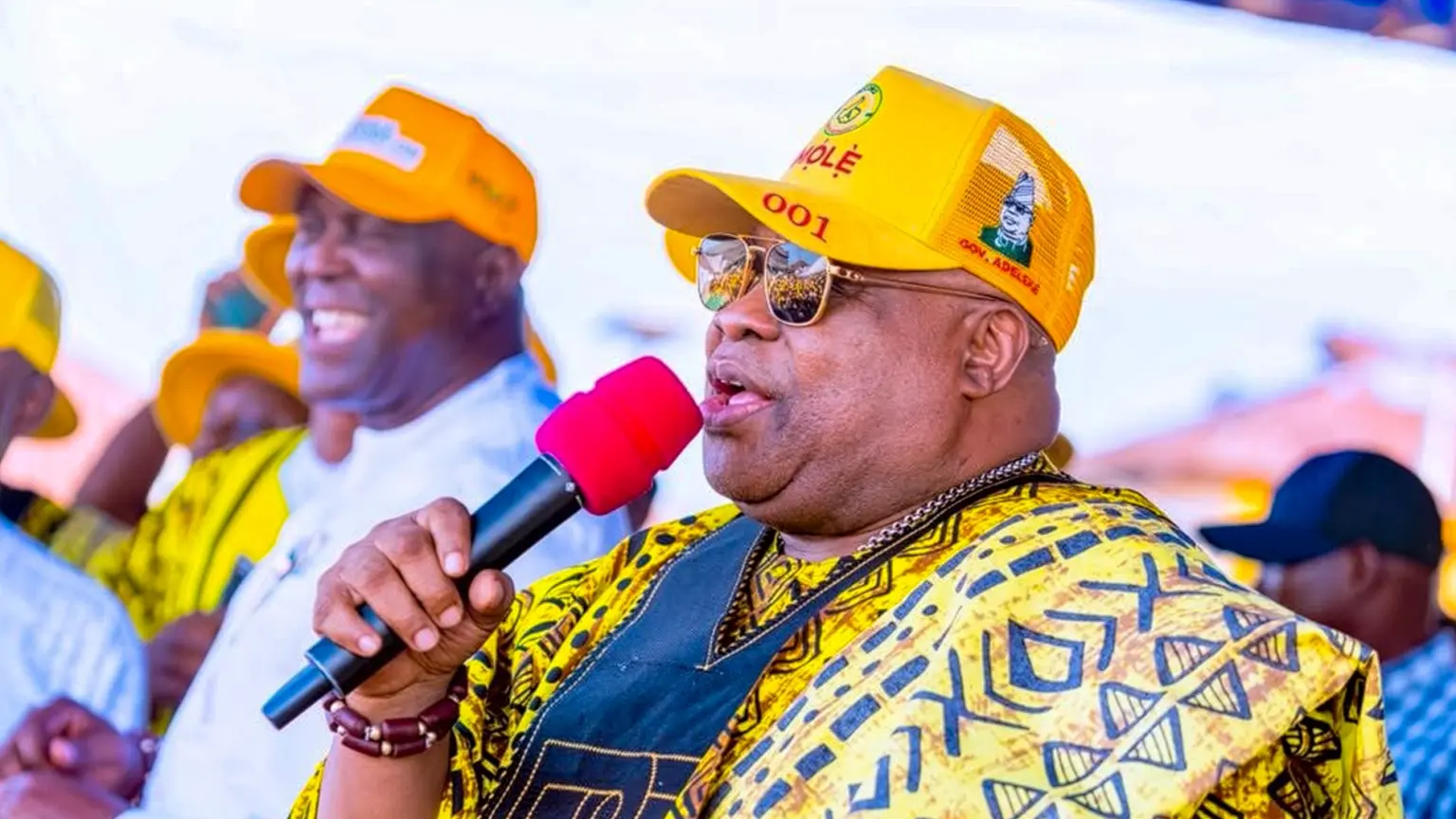
In a statement by Osun APC Director of Media and Information, Mogaji Kola Olabisi, the APC chairman cautioned Governor Ademola Adeleke against any action capable of plunging the state into another round of political tension.
On his part, the Minister of Marine and Blue Economy and immediate past governor of Osun State, Gboyega Oyetola, yesterday, decried post-election violence allegedly recorded in some parts of the state, describing the development as a threat to democratic values, peace, and harmonious co-existence.
He, therefore, urged the police and other security agencies to rise to the challenge by restoring peace and tranquillity in the areas affected by alleged killings and violence.
In a statement by his Special Adviser, Dr Bolaji Akinola, Oyetola contended that the attacks on citizens constitute a threat to “peace, heritage and democratic values of the people of Osun State.”
He emphasised that no political ambition or commercial interest could ever justify the loss of human life, appealing to all stakeholders to reject violence and embrace dialogue in resolving disputes.
The minister also urged the security agencies to deploy adequate personnel to volatile locations, reclaim public spaces from hoodlums, and ensure that all those responsible for the killings and other acts of violence are swiftly apprehended and brought to justice.
The statement stated: “We are expressing our condolences to the families of those killed in the violence, while charging the Osun State Police Command and other security agencies to act decisively to restore order and protect residents, particularly in areas affected by the unrest.
“Politics must be a vehicle for development, not a catalyst for bloodshed. We are appealing to residents across the state to prioritise peace and restraint. The progress and prosperity of Osun State must not be sacrificed on the altar of political or commercial interests.
“We are also affirming our commitment to the peace, security and development of Osun State, urging citizens to work together to preserve the state’s long-standing reputation for civility, enterprise and democratic values.”
The Nation
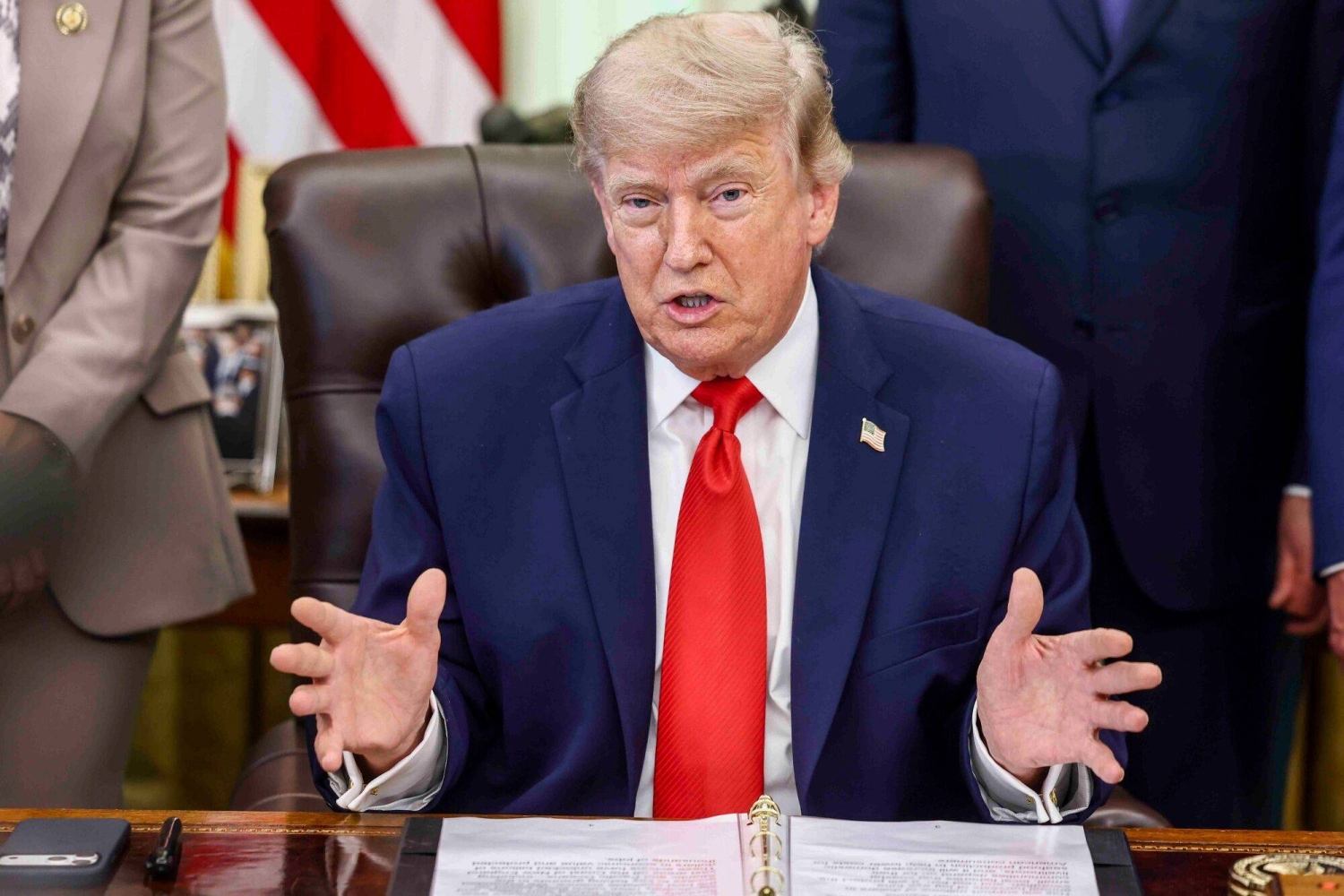
The United States has paused immigrant visa applications as the Donald Trump administration moves to tighten screening and limit entry for applicants considered likely to depend on government assistance.
A US State Department official confirmed the development on Tuesday, saying the initiative was launched at American embassies and consulates in early August, per report by The Guardian UK.
The department said visa appointments had to be adjusted to accommodate “in-depth training” for consular officers as part of efforts to strengthen the assessment of applicants.
The State Department has been working on updated guidance and training since early this year, the official said, “to ensure all consular officers are fully equipped to evaluate every visa applicant comprehensively and consistently”.
Applicants who had already secured interview appointments were reportedly informed by email that their appointments had been cancelled and that they would be notified of new dates.
The move is intended to ensure that immigrants do not become reliant on US public benefits, according to agency officials. It is also part of a broader immigration crackdown by the Trump administration targeting both lawful and undocumented immigration.
The latest development comes amid several other measures introduced by the administration to tighten access to the United States.
This week, the Trump administration announced plans to revoke visas from some asylum seekers who initially entered the US on tourist or business visas. Up to 200,000 people currently seeking asylum could be affected by the move, which would potentially become the largest mass visa revocation exercise in US history.
The action is being carried out in coordination with the Department of Homeland Security.
Visa applicants have also faced additional requirements under Trump, including scrutiny of their social media histories and increased processing costs.
The immigrant visa pause follows an earlier attempt by the Trump administration to restrict applications on a similar “public charge” basis. That policy included a suspension of immigrant visa processing for applicants from 75 countries, but a federal judge recently overturned the measure.
Reacting to the ruling, Joanna Cuevas Ingram, senior staff attorney at the National Immigration Law Center, said: “The court made clear that immigration laws cannot be used to justify discrimination,”
She added: “We are determined to ensure every person and family this ban harmed receives appropriate relief and will continue to hold this administration accountable to its obligations under the law.”
The latest visa restrictions are expected to create further difficulties for applicants who have already spent significant amounts of money and made travel arrangements for interviews.
Brian Simmons, an attorney at immigration law firm Fragomen in Washington, told the Financial Times that many applicants affected by the pause likely “spent thousands of dollars and disrupted their lives to attend scheduled interviews, only to have their appointments cancelled at the last minute”.
It remains unclear when the cancelled appointments will be rescheduled, leaving many applicants facing further uncertainty over their immigration plans.
The development comes as the Trump administration continues to introduce stricter immigration policies, several of which have faced legal challenges in US courts.
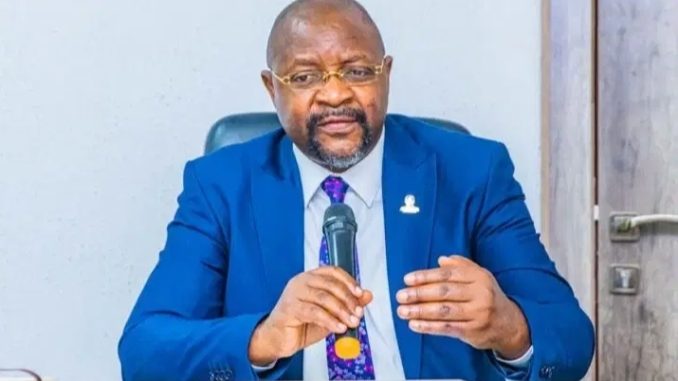
The Presidency has said the All Progressives Congress (APC) Presidential Campaign Council list for the 2027 election will be adjusted where necessary, but denied that the list has been withdrawn or subjected to a wholesale review.
Sunday Dare, Special Adviser to President Bola Tinubu on Media and Public Communication, made this known on Wednesday during an interview on Channels Television’s Sunrise Daily.
Dare was responding to reports that the APC had withdrawn the list following controversy over the inclusion and exclusion of some party leaders and other political figures.
He said the list remained valid, stressing that the party was yet to constitute all the subcommittees that would make up the campaign structure.
“As it is with every other list, there’s a room for subcommittees. Those subcommittees have not been formed, and so many other names will come into that subcommittee,” Dare said.
“So that list has not been withdrawn. The APC has issued a statement to that effect yesterday, that list stands. But of course, there will be adjustments. The list is not cast in stone, just like every other list.”
The APC had on Tuesday rejected reports that its 2027 presidential campaign council list had been withdrawn.
The list, announced over the weekend, named President Tinubu as chairman of the council, with Vice-President Kashim Shettima and APC National Chairman Nentawe Yilwatda as vice chairmen.
Former Zamfara State Governor and Senator, Abdul’aziz Yari, was named Director-General, while Imo State Governor Hope Uzodimma was designated secretary.
Asked whether the list was therefore open to review, Dare avoided the term “review”, describing the expected changes instead as adjustments.
“Not a review, just adjustments where necessary,” he said.
When pressed on whether his reluctance to use the word “review” meant the list was indeed being reconsidered, the presidential aide maintained that the expected changes did not amount to a comprehensive overhaul.
“Review is wholesale, this is not wholesale,” Dare said.
He explained that the creation of additional subcommittees would provide room for more party members and political stakeholders to participate in the campaign structure.

Osun Attacks: Panic as parties exchange words over local councils, motor parks

US halts all US visa applications worldwide

Presidency speaks on PCC list, insists it was not withdrawn but will be adjusted




-

 Sports23 hours ago
Usain Bolt proposes to longtime partner Kasi Bennett after 13 years courtship
-

 News23 hours ago
Terrorists are exploiting dead persons accounts, women’s details to fund attacks- NFIU
-

 News21 hours ago
Travel Advisory: Alternative route as Lagos shuts Bridge for 3Weeks
-

 News20 hours ago
To be defeated, drug barons must lose their wealth, Marwa declares at Cambridge
-

 News21 hours ago
Over 10, 200 killed in two years under Tinubu govt — Amnesty International
-

 News20 hours ago
Sad! Catholic Priest Commits Su!cide Over Transfer To Another Parish
-
 News21 hours ago
Kidnappers showcase video showing hundreds abducted from Nigerian mosque
-

 News17 hours ago
Just in: Police finally handover 16-year-old Jennifer to parents after alleged forced conversion to Islam
Warning: Undefined variable $user_ID in /home/naijuinz/public_html/wp-content/themes/zox-news/comments.php on line 49
You must be logged in to post a comment Login