Connect with us

News

MD NIRSAL Blames Poor Rail Infrastructure on Mokwa Flood

Published

on

ADVERTISEMENT
Zoom Ad
ADVERTISEMENT
Zoom Ad
…as Reps invite MD NRC,Minister of Transportation 
 
By Gloria Ikibah 
 
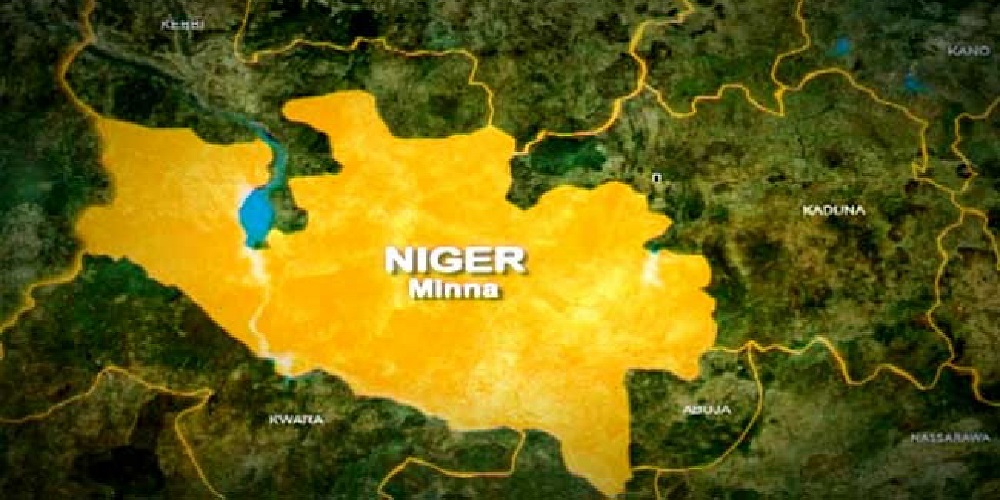
The Managing Director of the Nigeria Incentive-Based Risk Sharing System for Agricultural Lending (NIRSAL), Aliyu Abdulhameed, has said that poor railway infrastructure was responsible for devastating flood in Mokwa, Niger State, leading to the loss of lives, destruction of farmland, and displacement of residents.
 
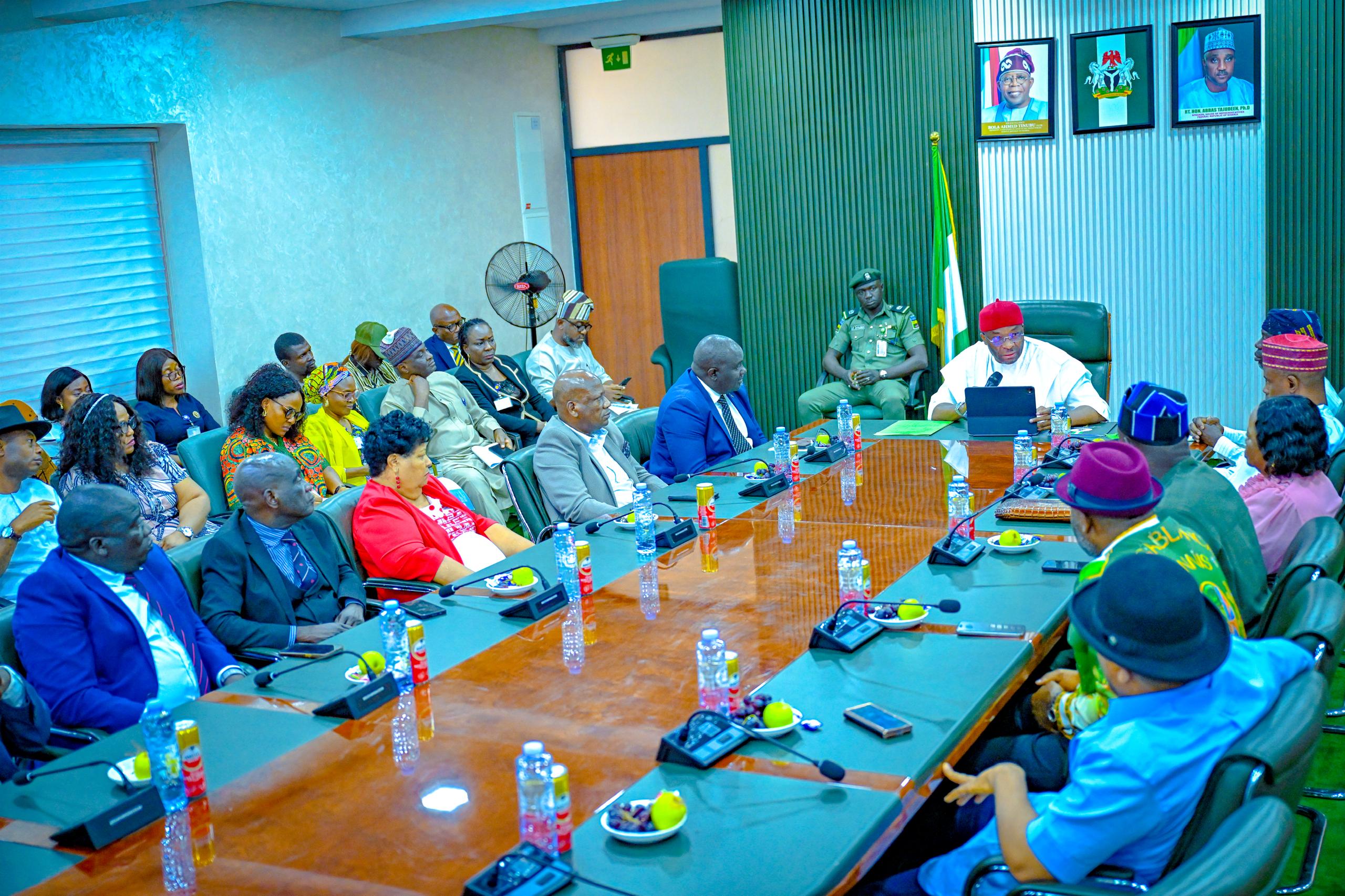
Abdulhameed, stated this at an interactive session with the House of Representatives Committee on Hydrological Services and the Hydroelectric Power Producing Areas Development Commission (HYPPADEC), led by Rep. Paschal Agbodike on Thursday in Abuja. 
 
The session with relevant agencies was to measure and find solutions to flood disaster management in Nigeria with focus on the Mokwa case among others. Kainji, 
 
The Managing Director said the disaster was not as a result of the release of water from Kainji or Jebba dams, as widely speculated.
 
“What happened in Mokwa, in particular, was caused majorly by the railway in the area. That was the only reason that made it happen. There is a railway embankment, up to about four meters high, that was actually stopping the water from draining into the River Niger. That was the major reason, it had nothing to do with Kainji Dam, it had nothing to do with Jebba Dam. Both are downstream,” he said. 
 
According to him, the railway line, believed to have been renovated between 2018 and 2019, initially had drainage systems running through it to allow water to flow freely into the river. 
 
However, after the reconstruction, those drainage outlets were completely blocked.
 
“What happened was after the inauguration, they blocked completely those drainage systems that are supposed to allow the water to drain into River Niger. So the water piled up over the years.
 
“Since 2023, based on my visitations, because I was there, most of the people in the Mokwa settlement have lost their farms due to the accumulation of water upstream, trapped behind the railway embankment,” he added. 
 
Abdulhameed explained that the embankment itself lacked the necessary engineering integrity to withstand the mounting pressure, being constructed entirely of soil without any structural framework to reinforce it.
 
He said human activity was a compounding factor, and that over time, people began to settle along the dry river in Dingin, mistaking it for permanently reclaimed land since no water had flowed through it in years.
 
“It has been eating up that embankment because it is purely soil,” he said. “It started losing its strength to hold back the water. Then that fearful night, it gave way. The water punctured it, and that was why it came with huge cost and swept through the settlement on that river.
 
“Certainly, there are a lot of anthropogenic activities where people have settled on that same river. “Why? Because over the years, after the embankment was built and water stopped flowing, people found it convenient to just settle there. That was a major cause of that particular flood,” he said. 
 
To prevent a recurrence of such disasters, the NIRSAL boss revealed that he had held high-level discussions with the Managing Director of the Nigerian Railway Corporation (NRC), and both agencies had resolved to launch a nationwide investigation into railway constructions and their impact on natural waterways.
 
“I had a long meeting with the MD of Nigeria Railway Corporation, and we are putting up a team to probe all railway lines. Because I noticed a lot of other places apart from Mokwa, where the same practice is being repeated. 
 
“So to avoid future occurrences, we are probing all the railway lines, including all the federal highways I have been to, to ensure that waterways are maintained,” he noted. 
 
The Committee summoned the Managing Director of the Nigeria Railway Corporation (NRC) and Minister of Transportation to appear before it over their alleged role in the devastating flood that ravaged Mokwa, Niger State.
 
Chairman of the Committee, Rep. Paschal Agbodike, said that the NRC’s role through its railway construction had raised serious questions that demanded answers, especially since the incident had resulted in the loss of lives, property, and farmlands.
 
“For natural disasters, it seems we are always waiting for them to happen before we start talking about remediation. We cannot let that continue any longer.
 
“This Committee is hereby inviting the Managing Director of the Nigeria Railway Corporation and the Honourable Minister of Transportation to appear before us. They must come and explain why they undertook a project that directly led to loss of lives and property.
 
“We will not tolerate any loss of life as a result of flood again in this country, any ministry or agency that is responsible will be seriously dealt with,” he said.
 
Earlier in an address, Agbodike called for a coordinated national response to the growing threat of flood disasters in Nigeria, with a special focus on vulnerable communities near Mokwa, Kanji, and Jebba dams in Niger State, as well as Ihiala and Ogbaru in Anambra, among other flood-prone areas across the country.
 
Agbodike noted that the issue has reached a critical point, worsened by climate change, rapid urbanization, and deteriorating infrastructure.
 
“Flooding has become a recurrent problem in Nigeria. Our goal today is to explore effective measures to mitigate the risks, improve preparedness, and strengthen disaster response systems nationwide,” he said. 
 
The Chairman emphasised that better water management and disaster readiness are long overdue. 
 
“The Mokwa, Kanji, and Jebba Dams are key to our national water and energy systems, but when mismanaged or left unattended, they pose enormous danger,” he warned.
 
Agbodike outlined four key areas the committee believes are vital to curbing the perennial flood problem which are Community Awareness and Engagement, Improved Forecasting and Early Warning Systems, Infrastructure Maintenance and Green Solutions and Climate Change Adaptation.
 
He emphasised the need for a unified approach across government levels, development partners, and local communities to build long-term resilience against floods. 

Continue Reading
Advertisement
Click to comment

Warning: Undefined variable $user_ID in /home/naijuinz/public_html/wp-content/themes/zox-news/comments.php on line 49

You must be logged in to post a comment Login

Leave a Reply

News

Nigeria Begins Evacuation of Citizens From South Africa Amid Xenophobic Attacks

Published

on

ADVERTISEMENT
Zoom Ad
ADVERTISEMENT
Zoom Ad

By Gloria Ikibah

The Federal Government has commenced the evacuation of Nigerian nationals affected by the recent wave of xenophobic attacks in South Africa, with the first group of returnees expected to arrive in Lagos on Thursday morning.

In a statement issued by the Ministry of Foreign Affairs on Tuesday, the government confirmed that the initial batch of evacuees will continue depart Johannesburg’s Oliver Tambo International Airport on Wednesday night aboard an Air Peace flight.

According to the Ministry, the aircraft is scheduled to land at the Murtala Muhammed International Airport in Lagos at approximately 5:00 a.m. on Thursday.

Advertisement

Announcing the operation, the Ministry stated:
“The Ministry of Foreign Affairs wishes to inform that the first batch of Nigerian nationals that will be evacuated from the Republic of South Africa due to Xenophobic attacks will depart the Oliver Thambo International Airport in Johannesburg on Wednesday night, and the expected time of arrival at the Murtala Mohammed International Airport in Lagos is 5.00am on Thursday morning.”

The Ministry disclosed that the evacuation exercise is being carried out by Air Peace Airlines and fully financed by the Federal Government, ensuring that affected Nigerians are returned home without any financial burden.

“The evacuation operation will be undertaken by Air Peace Airlines. The Federal Government of Nigeria has fully funded the evacuation exercise; consequently, all affected Nigerians will be repatriated at no cost to them”, he stated.

Authorities also assured Nigerians that adequate arrangements have been made to receive and support the returnees upon arrival.
Q
The Ministry explained that relevant government agencies have put measures in place to ensure a smooth reintegration process for those being evacuated.

Advertisement

“The Ministry further wishes to assure the public that the Federal Government, through relevant Ministries, Departments and Agencies, has put in place the necessary reception and support arrangements for the returnees.”
It added that the evacuees would undergo documentation and profiling procedures before receiving assistance and being reunited with their families.

“Upon arrival, the evacuees will undergo documentation and profiling procedures and will receive the appropriate assistance and support before being reunited with their families”, it added.

The evacuation follows growing concerns over attacks targeting foreign nationals in parts of South Africa, prompting  calls for the protection of Nigerians living and working in the country.

The Federal Government has repeatedly stated its commitment to safeguarding the welfare of Nigerians abroad and has continued to engage South African authorities over the safety of its citizens.
renewed

Advertisement
Continue Reading

News

SEDC Defends Record Before Senate, Says Less Than 10% of ₦140bn Budget Released

Published

on

ADVERTISEMENT
Zoom Ad
ADVERTISEMENT
Zoom Ad

…highlight major projects, Programme,Regional Development Plans Amid Funding Challenges

By Gloria Ikibah

The South East Development Commission (SEDC) has reiterated its commitment to transparency, accountability and regional development following an oversight session with the Senate Committee on South East Development Commission at the National Assembly.

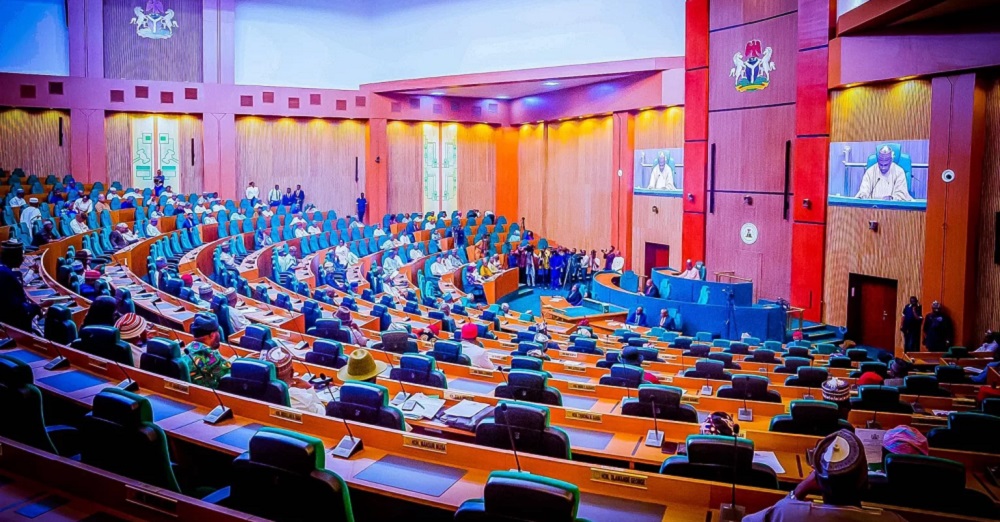
The interactive session, chaired by the Committee Chairman, Senator Orji Uzor Kalu, formed part of the National Assembly’s constitutional responsibility to oversee the activities of government agencies.

Advertisement

During the engagement, the Commission presented a detailed report of its activities since the inauguration of its Board in February 2025, covering its financial performance, institutional development, procurement processes, staffing, partnerships and ongoing programmes across the South-East.

The Commission also briefed lawmakers on its engagements with state governments, federal institutions, development finance organisations and other stakeholders involved in driving development across the region.

As part of its review, the Senate Committee requested additional documentation relating to certain aspects of the Commission’s operations and programme implementation.
Responding to the request, the Commission welcomed the move and sought a short extension to collate and submit the required materials.

Following discussions, the Committee adjourned proceedings to a later date pending receipt of the requested submissions, which the Commission is expected to provide on or before 23 June 2026.

Advertisement

SEDC used the opportunity to highlight progress recorded despite what it described as significant funding constraints.
According to the Commission, preparatory work has advanced on several major regional projects since the Board was inaugurated, including strategic infrastructure initiatives such as gas pipeline and railway projects designed to drive economic growth and regional integration.

The Commission also disclosed that it had established partnerships with a number of national and international institutions, including the United Nations Development Programme (UNDP), Afreximbank, Rural Electrification Agency, the Bank of Industry, Presidential Initiative on Compressed Natural Gas and Gas Aggregator Company of Nigeria.

It added that extensive consultations had been held with the governments of the five South-East states, federal ministries, development partners, academic institutions and private sector stakeholders to create a coordinated approach to regional development.

One of the major achievements highlighted during the session was the South East Vision 2050 stakeholder consultations, which brought together government officials, development experts, business leaders, academics and civil society groups to develop a long-term blueprint for the economic transformation of the region.

Advertisement

The Commission also spotlighted the successful rollout of the inaugural South East Venture Capital Programme (SEVCP), which it described as a flagship initiative aimed at promoting innovation, entrepreneurship and investment.

According to SEDC, 25 start-ups from across the South-East received equity investments through a transparent and competitive selection process under the programme.

The Commission said the initiative aligns with President Bola Ahmed Tinubu’s Renewed Hope Agenda and reflects efforts to strengthen entrepreneurship, private sector growth and investor confidence.

“Anchored within the South East Investment Company, the Programme represents a strategic effort to move beyond fragmented interventions towards a more structured and credible venture capital ecosystem for the South East, combining capital deployment with venture development, institutional partnerships, and pathways for attracting institutional capital into early-stage, high-growth enterprises across the region,” it stated.

Advertisement

However, the Commission expressed concern over the pace of funding releases, warning that implementation of critical projects could be affected if appropriated funds are not released promptly.

It disclosed that despite the Federal Government and National Assembly approving ₦140 billion for the Commission in the 2026 budget, less than 10 per cent of the allocation has so far been released.

The statement further read: “Of the N140 billion appropriated to the Commission in the 2026 budget, less than 10% has been released to date across all budget lines.”

SEDC stressed that accelerated releases are essential to enable the execution of key infrastructure, agricultural transformation, youth empowerment, economic development and regional security initiatives captured within its mandate.

Advertisement

“The scale of development required across the South East demands sustained funding, institutional coordination, and continued collaboration among all stakeholders,” the Commission noted.

Reaffirming its commitment to openness and accountability, the Commission pledged full cooperation with the National Assembly and all relevant oversight institutions.

“SEDC remains committed to full cooperation with the National Assembly and all relevant oversight institutions. The Commission views accountability, transparency, and constructive engagement as fundamental to the successful delivery of its mandate and will continue to provide all information required to support effective legislative oversight.

“The Commission remains focused on its responsibility to deliver meaningful and measurable impact for the people of the South East through disciplined planning, transparent governance, strategic partnerships, and the effective deployment of public resources. The Commission appreciates the continued support of the National Assembly and looks forward to sustained collaboration in advancing inclusive growth, shared prosperity, and long-term development across the region.”

Advertisement
Continue Reading

News

NDC leader, Dickson in closed door session peace talks to stop party crisis in Kano

Published

on

ADVERTISEMENT
Zoom Ad
ADVERTISEMENT
Zoom Ad

The National Leader of the Nigeria Democratic Congress (NDC), Seriake Dickson, and other leaders of the NDC, on Monday, held a closed-door peace talks with aggrieved members of the party in Kano State.

Osa Director, the national spokesperson of the NDC, disclosed this in a statement on Tuesday.

Mr Director explained that the closed-door peace talks were part of efforts to resolve the primary election-related crisis between Kwankwasiya Movement and other NDC members in the North-western state.

Kwankwasiya Movement is a political support group founded by the NDC vice-presidential candidate and former Governor of Kano State, Rabiu Kwankwaso.

Advertisement

The national spokesperson said the meeting, which lasted for several hours, was “productive.”

Senator Dickson and the NDC leadership are mediating in the process in order to enhance inclusion and participation by every party member.

According to Oda Director the NDC leadership will not impose candidates in Kano State, and indeed across the nation as the party cherishes the virtues of internal democracy,” he said.

He stressed that the NDC has not released any official results of its 2027 primaries in any state.

Advertisement

He urged members to disregard any such list in circulation.

The cause of the crisis

It was gathered that some NDC members in North-west Nigeria recently alleged Mr Kwankwaso was plotting to facilitate the dominance of members of Kwankwasiya Movement in the region’s party structure while dropping other key party leaders.

The Vice-Chairman of the NDC in the North-west, Mohammed Serina, and the Chairman of the party in Kano State, Hussaini Mariga, made the allegations against Mr Kwankwaso in a petition recently submitted to the party’s national leadership.

Advertisement

The petition followed purported results of NDC’s primaries in North-west circulating on Facebook in which the majority of winners were linked to the Kwankwasiya Movement.

Continue Reading

Trending

Copyright © 2024 Naija Blitz News