

Connect with us

News

Reps Back N248bn Lifeline for Power Firms, Unveil Debt Shake-Up Plan

Published

on

ADVERTISEMENT
Zoom Ad
ADVERTISEMENT
Zoom Ad

By Gloria Ikibah

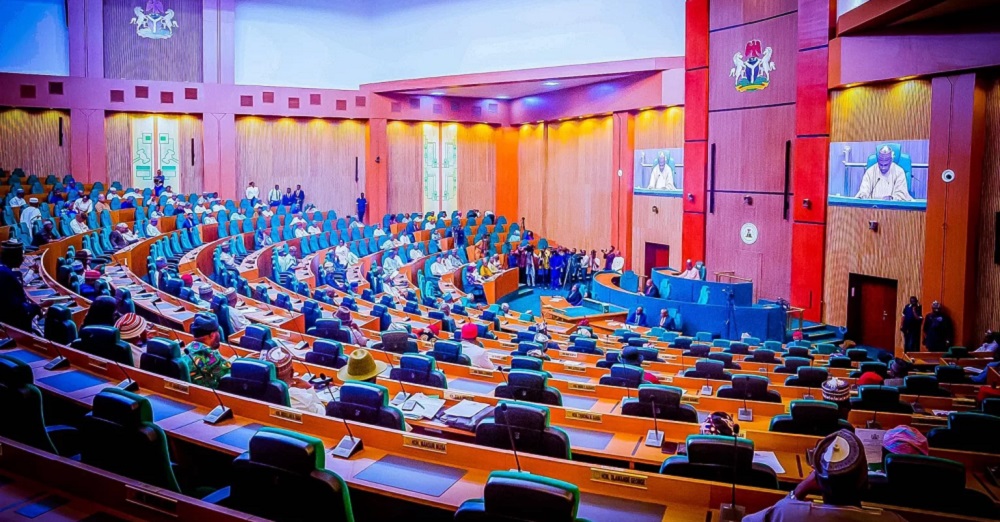
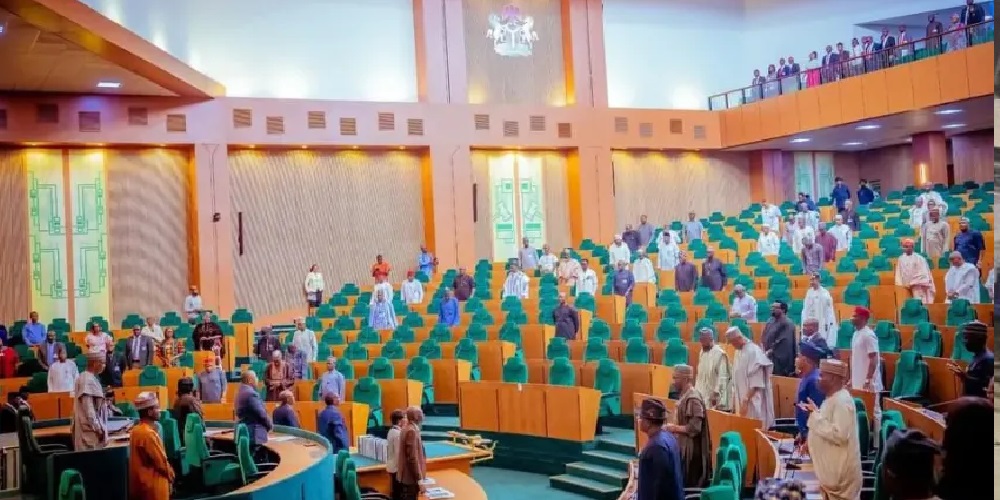
The House of Representatives Public Accounts Committee has approved sweeping financial reliefs and a long-term debt restructuring plan for three electricity distribution companies, in a move aimed at stabilising Nigeria’s troubled power sector.

The decision grants Kano, Jos and Ikeja DisCos a 10-year window to restructure liabilities running into hundreds of billions of naira, following mounting concerns over the sector’s financial sustainability.

At the heart of the intervention is a combined debt burden of over N248 billion, made up of more than N120 billion in historical obligations and about N128 billion in accumulated interest spanning a decade.

Advertisement

The resolution followed the adoption of a technical subcommittee report linked to findings from the Auditor-General, which highlighted rising debts across eleven distribution companies and growing pressure on the electricity market.

Chairman of the Technical subcommittee, Rep, Mark Chidi Obetta, said the move is part of broader legislative efforts to restore stability and address legacy financial challenges within the industry. He noted that the liabilities of the affected companies form a significant portion of the sector’s overall debt profile.

According to the report, total indebtedness across the eleven DisCos climbed from roughly N1 trillion at the end of 2024 to about N1.3 trillion by September 2025, driven largely by accumulating interest and unpaid obligations.

The committee said its investigation sought to verify these figures, establish the true extent of the debts and understand why the companies have struggled to meet payment commitments.

Advertisement

It confirmed that the liabilities had surged due to continued accruals, while also identifying disputes over interest charges as a major sticking point, particularly among the affected DisCos.

In response, the Nigerian Electricity Regulatory Commission NERC,, directed that interest should not be applied to outstanding invoices between 2015 and 2020, while allowing such charges from 2021 onwards. It also instructed that interest linked to delays involving a financial intermediary be excluded.

As part of the restructuring framework, the report stated, “Based on appearance, submissions and request, the Committee established that Jos and Kano Electricity Distribution Companies remain significantly indebted to NBET. The interest component and accrued debt during government receivership period form a substantial part of Kano Disco’s liabilities.”

It further recommended that, “NBET and NERC should allow Kano Electricity Distribution company (KEDCO), Jos Electricity Distribution Company and Ikeja Electricity Distribution company, with significant legacy obligations to restructure and repay their historical debts totaling N120,061,898,737… over an extended period of not more than 10 years.”

Advertisement

The report also proposed that certain liabilities incurred during periods of government intervention be transferred to a designated liability management body, while calling for a waiver of all accrued interest within the specified period.

Explaining the rationale, it added that the current market structure limits the ability of DisCos to recover costs, noting that revenue collection arrangements prioritise settlement of market obligations before operational expenses are released.

The committee stressed the need for discipline going forward, stating that, “All DisCos should ensure strict compliance with their current market obligations going forward to prevent further accumulation of liabilities.”

Chairman of the committee, Bamidele Salam, cautioned that without decisive restructuring and stronger regulatory oversight, the long-term viability of Nigeria’s electricity distribution system could remain under serious threat.
Advertisement
Continue Reading
Advertisement

News

‘Not same Abu-Bilal Al-Minuki killed in 2024’ – DHQ clarifies identity of dead ISWAP commander

Published

on

By

ADVERTISEMENT
Zoom Ad
ADVERTISEMENT
Zoom Ad

The Defence Headquarters has clarified the recent public discussions surrounding the neutralisation of a prominent terrorist commander, Abu-Bilal Al-Minuki.

A collaborative operation with the United States Africa Command on May 16, 2026, led to the killing of Bilal Al-Minuki.

Following the development, certain media outlets referenced a similar operation from 2024, which involved the elimination of a terrorist commander with the same name.

This has understandably raised questions regarding the identity of the individual who was recently neutralised.

Advertisement

In a statement signed by Somalia Uba, Director of Defence Information, the DHQ said: “It is crucial to note that in the North East region and throughout the Lake Chad Basin, the use of similar or identical names, aliases and nom de guerres is prevalent among ISWAP and Boko Haram terrorists.

“This practice is a deliberate part of their indoctrination strategy, aimed at obscuring identities. This fact has been corroborated over the years during counter-terrorism operations in Northeast Nigeria.

“The Abu-Bilal Al-Minuki who was eliminated on May 16, 2026, has been positively identified through human intelligence and technical surveillance as a senior global operative within the Islamic State network, possessing direct connections to international terrorist coordination, funding and operations across the Sahel. Thus, there is no ambiguity regarding his identity.”

The statement added that the strike represents a significant achievement in the country’s counter-terrorism initiatives.

Advertisement

It said the Armed Forces of Nigeria, in collaboration with the United States, remain dedicated to dismantling terrorist networks and will continue to disseminate verified information through official channels.

It called on the general public and the media to rely solely on authorised sources to prevent confusion arising from coincidental name similarities.

Continue Reading

News

Aiyedatiwa’s preferred aspirants disqualified from APC Reps primaries in Ondo

Published

on

By

ADVERTISEMENT
Zoom Ad
ADVERTISEMENT
Zoom Ad

Three aspirants of the All Progressives Congress, APC, who were anointed as consensus candidates by Governor Lucky Aiyedatiwa of Ondo State for House of Representatives seats have been disqualified by the party.

The three aspirants endorsed by Aiyedatiwa, who have been screened out, were identified as Tajudeen Adefisoye (Idanre/Ifedore federal constituency), Victor Ategbole (Akoko South-East/South-West federal constituency) and Samuel Arowele (Owo/Ose federal constituency).

Others not cleared along with the governor’s preferred aspirants are Seun Ajongbolo (Akoko South-East/South-West federal constituency), Morufu Ibrahim, Oyeniyi Oseni ((Akoko North-East/North-West) and Olaleye Adedipe (Akoko North-East/North-West).

With the reasons for the disqualification of the aspirants not revealed in a statement issued on Saturday by the National Publicity Secretary of the party, Felix Morka, some aspirants in the state have kicked and condemned the endorsement of the anointed aspirants.

Advertisement

Meanwhile, there was large turnout of APC members on Saturday during the direct primaries conducted across the 203 wards of the state.

In Akur metropolis, party members arrived at the designated wards in their numbers around 8:00 am with the officials of the party doing a headcount of everyone.

At Wards 4, 5, and 8, members of the party were seen queuing behind the poster of the aspirants they are supporting.

Meanwhile, there was an uproar in some of the wards as party faithful lamented that electoral officials were not on the ground to take record of the exercise.

Advertisement
Continue Reading

News

Six suspected ISWAP bomb makers killed in premature IED explosion in Borno

Published

on

By

ADVERTISEMENT
Zoom Ad
ADVERTISEMENT
Zoom Ad

Six suspected Islamic State West Africa Province members, including a bomb expert, were killed early Friday when an improvised explosive device detonated prematurely in Marte Local Government Area.

Security sources told Zagazola Makama that the blast occurred around 7:00 a.m. on May 16, 2026, at Jubilaram while the group was assembling the device. The team was led by Abu Umar, identified as a bomb expert, who died in the explosion along with five other militants. Three others were reportedly injured.

Intelligence assessments say the deceased were part of ISWAP’s IED cell operating along the Marte–Kerenoa–Wulgo axis in the Lake Chad Basin. The explosion destroyed the site, located between Arinna Maimasallaci and Arinna Ciki, and is expected to temporarily disrupt the group’s bomb-making operations in the area.

Military sources said the incident could weaken ISWAP’s capability along key routes in the Marte axis. Authorities are considering follow-up air and ground operations to exploit the disruption.

Advertisement
Continue Reading

Trending

Copyright © 2024 Naija Blitz News