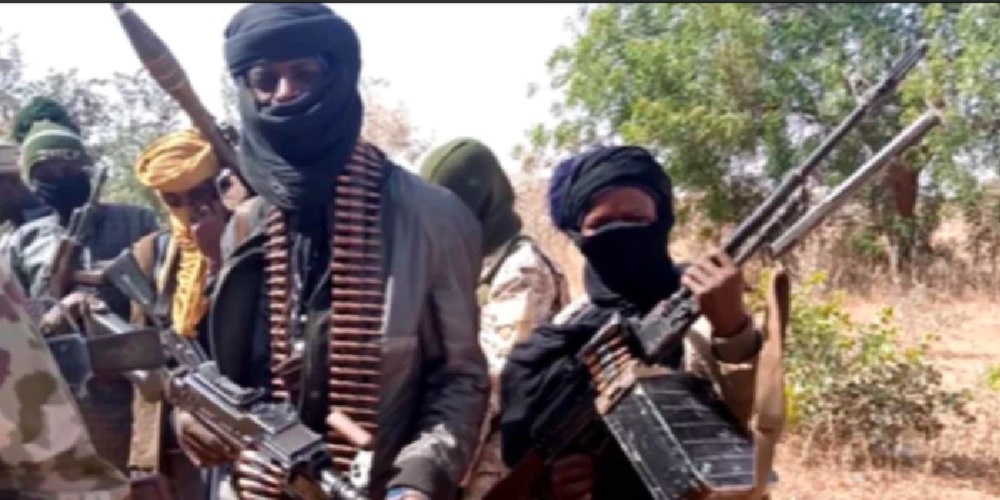
The Nigerian Army has confirmed the killing of a high-profile terrorist commander, Mohammed Khalifa and the surrender of two senior Islamic State West Africa Province (ISWAP) commanders, Ismail Mohammed and Abu Umar, to troops of Operation Hadin Kai in Borno state.


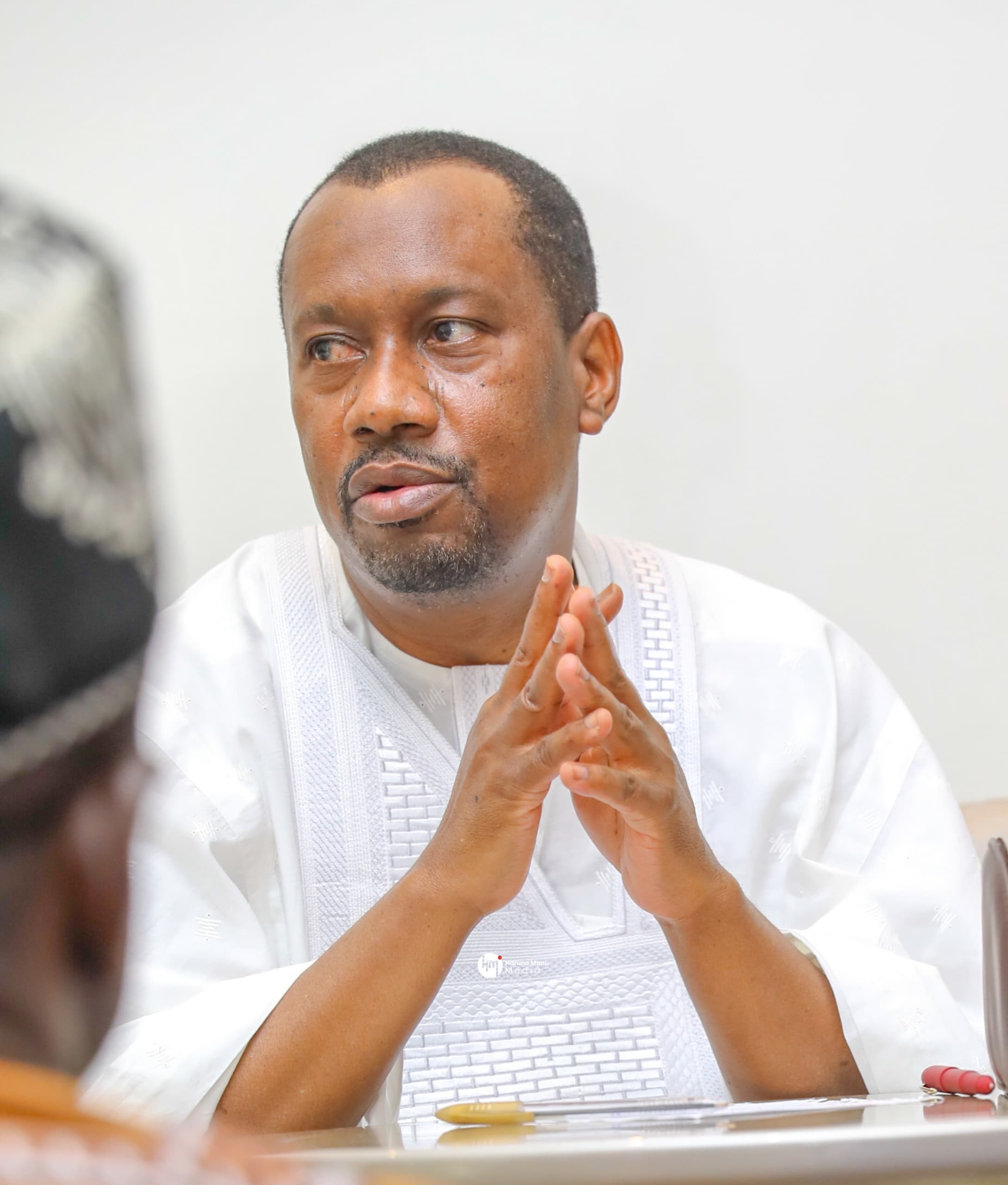
Acting Media Information Officer of the North-East Joint Task Force, Operation Hadin Kai, Lt. Col. Haruna Sani, disclosed this in a statement on Thursday.
The two commanders surrendered to troops on June 8, 2026, in the Mangari axis of the Lake Chad region, where they held strategic positions within the terrorist organisation, Sani stated. 
He said, “Operation Hadin Kai has recorded another significant success in the ongoing counter-terrorism campaign following the surrender of two high-profile Islamic State West Africa Province (ISWAP) commanders to troops on 8 June 2026.
“The surrendered terrorists, identified as Ismail Mohammed and Abu Umar, are currently in military custody and undergoing appropriate profiling and debriefing procedures.”
He explained that Ismail Mohammed was a close associate of senior ISWAP leader, Baa Shuwa, and possessed extensive knowledge of the group’s command structure and operations.
According to him, Abu Umar was widely known within the terrorist network as an explosives expert responsible for the fabrication and maintenance of vehicle-borne improvised explosive devices and other combat-support equipment used by the insurgents.
Sani further revealed that intelligence obtained during interrogation showed that Mohammed Khalifa, a member of the ISWAP Shurah Council, was killed during recent joint military operations.
“Interrogation revealed that another high-profile terrorist, Mohammed Khalifa, a member of the ISWAP Shurah Council, was neutralised during joint operations by Operation Hadin Kai,” he said.
The army spokesman described the surrender of the two commanders as a major blow to the terrorist group, citing their influence, experience and technical expertise acquired over several years within the insurgent network.
“Their decision to flee and surrender further underscores the effectiveness of sustained offensive operations by troops of Operation Hadin Kai, complemented by precision engagements conducted with the support of allied partners against terrorist enclaves across the theatre.
“The combined pressure from these operations continues to degrade terrorist capabilities, weaken their operational networks and compel increasing numbers of insurgents to surrender,” he stated.
In a related development, the Chief of the Air Staff (CAS), Air Marshal Hassan Bala Abubakar, has urged 252 graduating officers of Junior Course 101 of the Armed Forces Command and Staff College (AFCSC), Jaji to leverage their training and experience in addressing the complex security challenges facing Nigeria and the African continent.
Speaking at the graduation ceremony held Thursday in Jaji, Kaduna state, Abubakar said the changing nature of security threats demands military leaders who are innovative, disciplined and capable of making sound decisions under pressure.
He noted that contemporary conflicts are increasingly driven by terrorism, insurgency, cyber threats and other asymmetric challenges, requiring officers to think beyond conventional approaches in military operations.
According to him, professionalism, integrity and adaptability remain critical attributes for officers entrusted with leadership responsibilities in today’s security environment.
Abubakar reminded the graduates that leadership is measured not only by authority but also by the ability to inspire confidence, maintain ethical standards and deliver results in difficult circumstances.
He urged them to continue building on the knowledge acquired during the course, stressing that continuous learning and teamwork would remain essential throughout their military careers.
Earlier, the Commandant of AFCSC, Air Vice Marshal Alfred Shokunbi, congratulated the graduating officers for successfully completing the rigorous training programme, which he said was designed to prepare them for higher responsibilities in command, staff and leadership positions.
Shokunbi explained that the course exposed participants to contemporary security issues, strategic planning, decision-making processes and joint military operations, equipping them with skills required to operate effectively in complex environments.
He charged the graduates to uphold the values of professionalism, discipline and selfless service, while applying the lessons learned at the college to contribute meaningfully to national security and the advancement of their respective armed forces.