BY BOLAJI AFOLABI


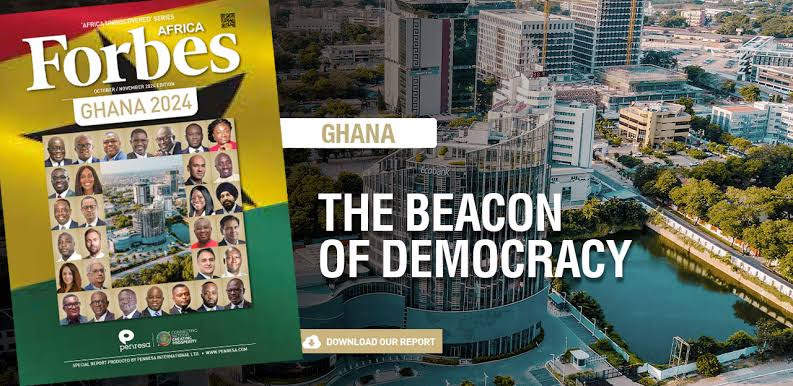
Concerned about the many uninspiring, and despairing postures, actions, comments, and positions of the political class to issues of nation building, cross-sectoral development, and national cohesion, the writer did a treatise which was published in the last few days of 2024. Conscious of encouraging political developments in a neighboring country, the piece; “Ghana, Raising The Bar of Democracy in Africa” was intended to challenge Nigerian politicians to change their approach to politics; and raise national issues beyond unnecessary politicking. Also, to attract some measures of citizens believability; ingeniously use politics as a veritable platform for national growth and development. As well as deploying politics as vehicle for the promotion of unity, peace, and tranquility amongst Nigerians irrespective of tribe, ethnicity, religion, and other categorization.
Given the flurry of reactions, comments, and requests by readers, at home and abroad, which by the way are humbling and inspiring , an encore to the earlier piece becomes inevitable. Moreso, a developing political matter between Leaders of some opposition parties has made this compelling. 
As Nigerians were looking forward to welcoming the New Year; whilst bidding 2024 a timely exit with the numerous personal difficulties, tensions, and challenges people experienced, the political atmosphere was charged by one of the top politicians. Rabiu Musa Kwankwanso, presidential candidate of the New Nigeria People’s Party (NNPP) at the 2023 general elections made some daring allegations, and damning revelations. The Kano-born water engineer has traversed Nigeria’s politics, and public service occupying various juicy positions. At various times, he was Deputy Speaker, House of Representatives; Kano state Governor; Defence Minister; and Senator. Indeed, in his over three decades visibility in Nigeria’s political and governance landscape is among the few and privileged people to have both legislative and executive experiences.
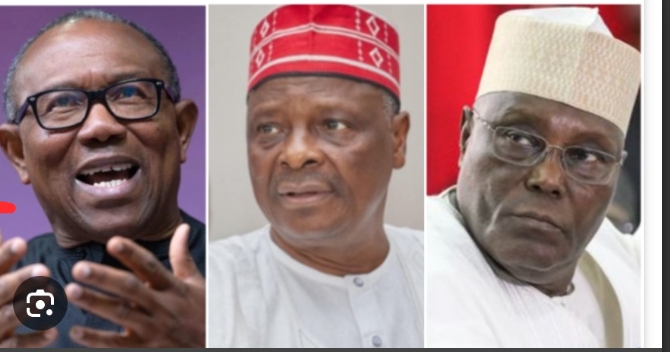
Typical of his nature and style, Kwankwanso had a no-holds barred interview with the Hausa Service of the British Broadcasting Service (BBC). Described as bold, frank, and fearless by his admirers, he was audacious, unapologetic, and fiery in his responses. In the engaging, thought provoking, and revealing interview, Kwankwanso said inter alia, “I was terrified about the information that I got that the PDP are meeting clerics and other leaders and in their last meeting, which involved about 45 clerics, that we reached an agreement that Atiku (Abubakar) will serve one term, and myself will also serve one term and Peter Obi will serve two terms. This is a lie, I never took part in any agreement. This is completely false; such an agreement never existed.”
Not done yet, Kwankwanso in his staccato shots declared that, “I was deeply angered about the information. Elderly people aged 70 to 80 years will sit and lie, telling clerics and other leaders something that never happened. With this (these) lies, we can’t believe such people that they can only serve one term in office if you entrust them with leadership.” The two-terms Kano state Governor revealed that, “such lies and deceit are precisely why we left. Myself, Peter Obi, Wike, and others all left.” Confident of his position, he alluded that, “Iam still alive and healthy, there is no way you can assemble over 40 people without me having 2 or 3 among them that will inform me of what transpired. This is not good for personality to lie. In such incident, if a government is formed on the basis of lies, it’s like starting a foundation on a week structure.”
Perhaps unknown to Kwankwanso, these allegations are not only weighty but has opened the pandora box about what transpired between personalities, groups, and associations in the opposition ranks before the 2023 presidential election. Perhaps, it could be deliberate, or unintended, there are some uncompleted comments, missing gaps that will provoke further enquiries. One is confident that, some day, in the nearest future, the true-story of what happened before, during, and after the last presidential election will be unearth. Nigerians would be curious to know what led to the loss of opposition parties in an election that people believed the uninspiring performance of Muhammadu Buhari should profit them. Scholars, students, policy makers, and analysts would want to know reasons behind the exits of Kwankwanso, and Obi from the umbrella party, which opened the flanks of opposition such that they were painfully and pitiably divided into three parties; PDP, LP, NNPP before the elections.
Sadly, the Kwankwanso’s diatribe, cobwebbed shape of leading opposition parties, and undisguised desperation for power by some politicians when juxtaposed with the realities on ground, paints terribly low image of Nigeria’s politics. The PDP is patently and sharply divided to almost irredeemable position. With litany of cases over its neck, it appears the party swims in perpetual crisis. The Labour Party (LP) is no better as it has its own share of issues which bothers on leadership. A party that have three individuals laying claim to National Chairman cannot be taken seriously. That Governor Alex Otti of Abia state allegedly ensured the victory of Zenith Labour Party (ZLP) at the Local Government elections speaks volumes about the LP. Even Kwankwanso’s NNPP is experiencing it’s share of political turmoil. The unfolding crisis is sweeping through the party’s national working committee; national executive council; and national assembly. Indeed, other smaller political parties in the opposition ranks are bedeviled with varied degree of factionalisation.
Discerning Nigerians are saddened that few leaders in opposition parties are dissipating energies and resources towards gaining upper hand for the 2027 election, in a rudderless and unconscious manner. Apolitical minds conclude that the approach will further exacerbate crisis within the parties. Some analysts wonder why few leaders are eternally fixated on having their names feature on the ballot, that they have refused to see the imperative of resolution of crisis, consensus building, and realistic party growth as the critical issues of the moment. A school of thought argues that the resort to propaganda, misinformation, and falsehood by few leaders which is geared towards the hoodwink, blackmail, and submission of perceived political enemies, and opponents will boomerang. Another school of thought opines that since opposition parties have continually failed to elicit citizens confidence and believe, largely due to the craze, and penchant for “grab-it-all” and selfish, arrogant posturing of some leaders, the desire to win power remains a long ambition.
It is good to romanticize, and wish that the Ghana scenario happens in Nigeria. However, the focus, intent, and operations of politicking in Nigeria differs from what is obtained in Ghana. Pathetically, our political parties are only concerned about elections; participating and (likely) winning. Politicians pay little or no attention to party growth and development. Whereas in Ghana, politicians devote time, resources, and enablement into building, deepening, and nurturing political parties. Can the political class; especially opposition parties in Nigeria dedicatedly follow the template of Ghana’s leading opposition party, the National Democratic Congress (NDC)? Since it lost presidential and parliamentary elections to the National People’s Party (NPP) in 2016, the entire leadership, elders, and critical stakeholders in the party remained faithful. Unlike here where opposition lawmakers cross-carpet to the ruling party with the speed of light, such action is unheard of in Ghana. Rather than embark on ludicrous and irresponsible defections, Ghanaian politicians stay back, stay through, and resolutely determined in building opposition.
True, the 2027 general elections is not far away. Rather than engaging in theatrical positioning, and hysterical posturing in the quest for party-control, leaders of opposition should embark on sincere, and serious clean-up of selves, and by extension parties. They must relegate arrogance, personal ambitions, stubborn pursuit of power, and similar tendencies to the background. With the preponderance of socio-economic challenges in the country, the opposition parties must paper all the cracks, mend the bends, and resolve all issues towards playing it’s role effectively and efficiently. They must take enduring lessons from the NDC, who for years grew the party to the level at which Ghanaians chose it over and above the ruling NPP. They did not only mouth but worked assiduously for political power-change. However, it is instructive to note that in all these years, Ghanaian president-elect; John Mahama Dramani was the face of opposition in truth and deed.
* BOLAJI AFOLABI, a development communications specialist was with the Office of Public Affairs in The Presidency.