…as lawmakers seek dialogue to resolve refinery row


…Nigeria deepens gas sector reforms to boost energy security — Ekpo
By Gloria Ikibah 
Nigeria’s oil and gas sector, particularly the downstream segment, is experiencing a significant resurgence, driven by the reform agenda of President Bola Ahmed Tinubu’s administration.
Speaker of the House of Representatives, Rt. Hon. Tajudeen Abbas, who stated this at the opening of the maiden edition of the Downstream Petroleum Week in Abuja, on Monday, emphasised that the ongoing reforms are reshaping key industries and restoring investor confidence.
The Speaker who was represented by Deputy Speaker, Rt. Hon. Benjamin Kalu, noted that the commencement of operations at the Dangote Refinery represents a major milestone in Nigeria’s pursuit of energy self-reliance.
He also stressed the importance of supporting upcoming indigenous refineries, with Parliament committed to sustaining a regulatory environment that encourages growth and competitiveness.
The theme of the conference is “Celebrating Our Successes, Confronting Our Challenges and Finding Solutions for the Petroleum Downstream Sector,” underscored the need for collaborative efforts and strategic planning to address industry challenges while leveraging current gains.
Speaker Abbas further stated that outcomes from engagements like this provide valuable input for shaping legislation that aligns with industry realities, ensuring stronger partnerships between government and private operators.
He therefore called on stakeholders to present practical and forward-thinking solutions capable of revitalising the downstream petroleum sector, strengthening the wider economy, and improving national development outcomes.
He said, “I am delighted, and excited to welcome you all to the First Annual Downstream Petroleum Week organised by the House Committee on Petroleum Resources (downstream) in partnership with the Federal Ministry of Petroleum Resources and the Nigerian Midstream and Downstream Petroleum Regulatory Authority (NMDPRA).
“As I look around at the quality of representation here, I feel confident that this event will become one of the most defining moments in the evolution of the downstream petroleum sector. Our hope is that as thinkers, innovators, workers and policy advocates, your collaboration will finally reshape the industry, setting agenda for growth, transparency and sustainable practices.
“I therefore commend the Chairman of the House Committee on Petroleum Resources, Hon. (Barr.) Ikeagwuonu Ugochinyere, and the rest members of the Committee, for conceiving and convening this historical national conference, with stakeholders like the NNPCL, PENGASSAN, the Dangote Group, and all the other oil and gas-affiliated associations represented here today. Your participation underscores our shared commitment to progress and reform. Together, we represent the full value chain—policy, regulation, labour, production, and investment, working in one accord to build a stronger energy sector.
“Indeed, agenda-setting programmes, such as this conference, which tend to galvanise critical stakeholders in the petroleum downstream sector, not only foster inclusiveness and commitment to genuine national development, but also reinforce citizens’ trust in the commitment of the National Assembly and government institutions in driving sustainable development. The evolution in the petroleum industry today has been made possible by the landmark passage of the Petroleum Industry Act (2021), a comprehensive, sweeping legislation that reformed the governance, administration and fiscal framework of the Nigeria Petroleum Industry. That law restructured the NNPC, transforming it into a commercial entity and established such regulatory bodies as the Nigeria Upstream Petroleum Regulatory Commission, NUPRC, and Nigeria Midstream and Downstream Petroleum Regulatory Authority, NMDPRA, thus renewing investors’ confidence, reducing oil pilferage, promoting transparency and competition, and generally improving operational efficiency.
“Our legislative responsibility has always been to craft policies, enact laws, and provide the oversight that will strengthen the downstream sector and ensure that it contributes to a more secure, efficient, and resilient Nigerian economy. This conference therefore provides an invaluable opportunity for improved legislation. By bringing together government, industry, labour and investors to share perspectives, confront challenges, and develop practical, forward-looking solutions to the challenges in the sector, this forum ensures that the conversations to be had here will inform the framework of any policy in the energy landscape for years to come.”
In his opening remarks, the Chairman House Committee on petroleum resources downstream, Hon. Ikenga Ugochinyere urged labour unions and stakeholders in the oil industry to engage in constructive dialogue refinery dispute.
He said the Committee is aware of the recent labour concerns involving Dangote Refinery and sector unions, noting that while such issues are not uncommon in developing economies, they must never be allowed to undermine productivity or national stability.
He therefore urged both labour unions and industry operators to always pursue dialogue over disruptions at all times, assuring of the parliament’s readiness to facilitate peace, fairness, and mutual respect in all industrial engagements.
Ugochinyere added that the Downstream Week is designed to be a recurring space for national dialogue, where they assess policies, evaluate progress, and celebrate excellence, toward a shared vision for a competitive and transparent downstream sector
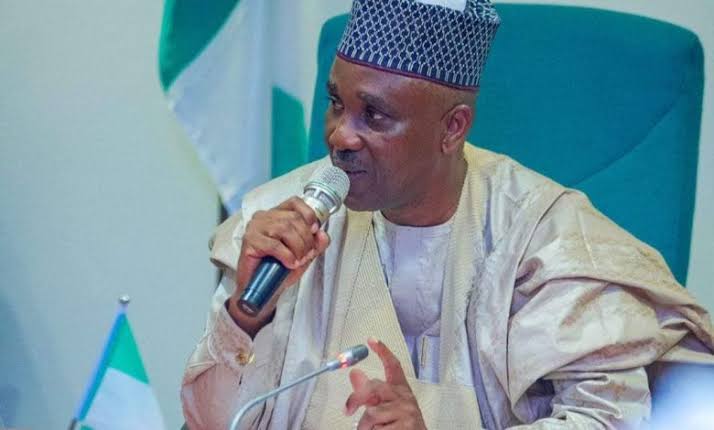
In his goodwill message, Minister of State for Petroleum Resources (Gas), Ekperikpe Ekpo, reaffirmed the commitment of the Federal Government to advancing reforms in the downstream and gas sector to secure the country’s energy future and unlock wider economic opportunities.
The minister commended the House of Representatives Committee on Petroleum Resources (Downstream) for organising the 2025 conference, describing it as a platform that demonstrates the National Assembly’s leadership in promoting dialogue, transparency and reforms in a key segment of the economy.
Ekpo noted that recent liberalisation and regulatory initiatives have attracted increased private investment in domestic refining, storage capacity and gas infrastructure. He highlighted the impact of the Decade of Gas initiative under President Bola Ahmed Tinubu’s Renewed Hope Agenda, which aims to expand access to clean energy and reduce dependence on imported fuels.
According to him, ongoing programmes are accelerating the use of compressed natural gas (CNG), liquefied natural gas (LNG) and liquefied petroleum gas (LPG), targeting households, small enterprises and large industries alike. These efforts, he said, are already driving economic activity and improving energy accessibility nationwide.
The minister, however, acknowledged persistent challenges including infrastructure gaps, supply chain bottlenecks, market instability and regulatory uncertainties. He stressed that overcoming these hurdles requires close cooperation between the executive and legislature, strong private sector participation, and investment in modern technology.
Ekpo outlined three priority areas for the ministry going forward to include, Accelerating gas infrastructure development, Promoting gas utilisation and Driving regulatory and investment reforms.
“As we celebrate our progress, we must renew our commitment to partnership, innovation and accountability. Together, we can build a downstream and gas sector that drives industrialisation, creates jobs and delivers prosperity across Nigeria”, Ekpo said.