As the death toll from the latest cholera outbreak hits 40, the Nigeria Centre for Disease Control says the country does not have enough vaccines. According to the Director General of the Nigeria Centre for Disease Control and Prevention, Dr Jide Idris, Nigeria has placed an order for more cholera vaccines from donor agencies, even though the date of delivery is still unknown.


The NCDC boss stressed the need for the country to embrace the use of vaccines and other preventive measures to curb the spread of the acute diarrhoeal infection.
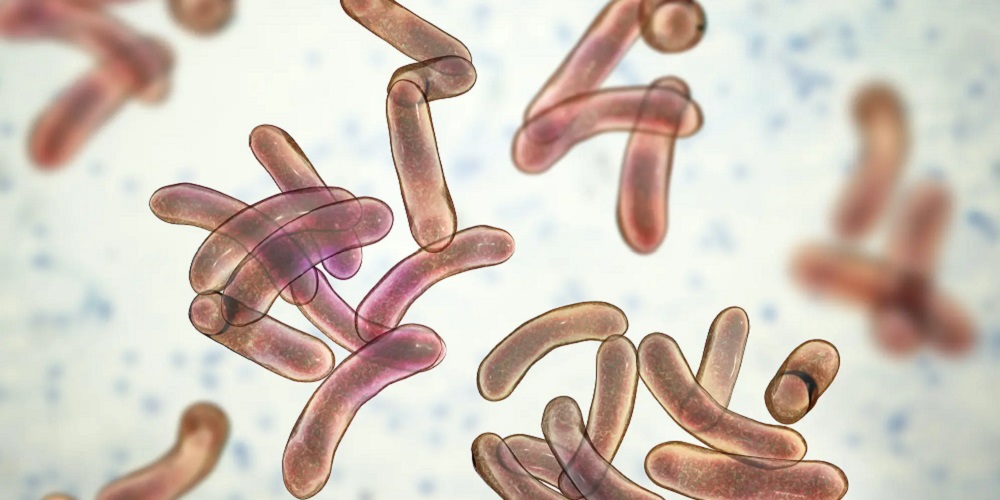
Cholera is a food and water-borne disease caused by the ingestion of the bacterium, Vibrio cholerae, in contaminated water and food. 
Cholera kills 4,364 in four years
No fewer than 4,364 people have died out of the 139,730 Nigerians suspected to have been infected with the disease across the country in the last four years, an investigation by Saturday PUNCH has indicated. The incidence rate was derived from an analysis of the weekly cholera situation reports released by the Nigeria Centre for Disease Control between 2021 and 2024.
Recall that the NCDC recently alerted the public to the increasing trend of cholera cases across the country as the rainy season intensifies. In a statement signed by Idris on Thursday, June 13, 2024, the agency said that from January 1 to June 11, 2024, a total of 1,141 suspected cases, 65 confirmed cases, and 30 deaths from cholera had been reported from 96 local government areas in 30 states of the federation.
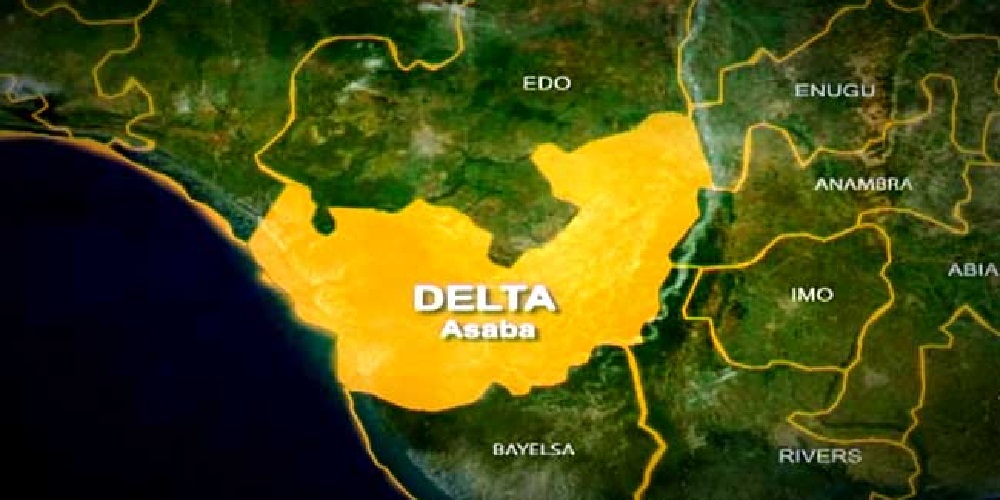
The NCDC listed the 10 states that contributed 90 per cent to the burden of cholera as Bayelsa, Zamfara, Abia, Cross River, Bauchi, Delta, Katsina, Imo, Nasarawa, and Lagos. As of then, the Lagos State Ministry of Health said it had recorded 350 suspected cases of the disease in 29 wards across multiple LGAs with 17 confirmed cases and 15 fatalities attributed to severe dehydration caused by delayed presentation.
However, on Friday, the state Commissioner for Health, Prof Akin Abayomi, said the cholera incidence rate in the state had risen to 417 suspected cases, and 35 confirmed cases, with 24 deaths.
In a post made on his Instagram handle on Friday afternoon, Abayomi said, “The situation report as of June 19, 2024, indicated 417 suspected cases, 35 confirmed cases, and 24 recorded deaths.”
“Let’s adhere strictly to personal and environmental hygiene. Let’s stay safe #ForAGreaterLagos.”
He said the cases were reported from the Agege, Badagry, Ikeja, Mushin, Ajeromi-Ifelodun, Epe, Ikorodu, Ojo, Alimosho, and Eti-Osa areas of the state.
Others he mentioned include Kosofe, Oshodi-Isolo, Amuwo-Odofin, Ibeju-Lekki, Lagos Island, Shomolu, Apapa, Ifako-Ijaiye, Lagos Mainland, and Surulere.
Also, the Ogun State Commissioner for Health, Dr Tomi Coker, told our correspondent on Thursday that the state had recorded one death and 14 cases.
This implies that in the last 12 days, the incidence rate of the disease in the country for this year had hit 1,222 suspected cases, 88 confirmed cases, and 40 fatalities.
The NCDC, however, stated that a multi-sectoral National Cholera Technical Working Group, led by the centre and comprising the Federal Ministries of Environment and Water Resources, the National Primary Health Care Development Agency, the World Health Organisation, the United Nations Children’s Fund, and other partners, had been providing support to the affected states.
With the latest incidence rate from Ogun and Lagos, investigations by Saturday PUNCH showed that a total of 4,364 deaths had been recorded out of the 139,730 people suspected to have been infected by the disease across the country since 2021.
Going by one of the NCDC’s cholera situation reports for week 52, there were a total of 111,062 suspected cases of the disease with 3,604 deaths across 435 local government areas in 34 states of the federation in 2021.
Another Cholera Week 52 report published by the NCDC and analysed by our correspondent revealed that in 2022, the country recorded 23,763 suspected cases with 592 deaths across 271 LGs in 33 states of the federation.
In 2023, there was a reduction in the incidence rate of the disease as the country recorded 3,683 suspected cases with 128 deaths across 166 LGs in 31 states of the country.
The prevalence rate of the disease further went down in 2024 with 1,141 suspected cases and 30 deaths recorded across 84 LGs in 30 states of the federation.
There were 473,000 cholera cases reported to the World Health Organisation in 2022, which was a 100 per cent increase compared to the rate reported to the global health organisation in 2021.
More so, a further increase in cases by 700,000 was estimated in 2023, while the latest data from the WHO showed that a cumulative total of 145,900 cholera cases and 1,766 deaths had been reported from 24 countries across five WHO regions.
In the latest global rate, Africa recorded the highest numbers, followed by the Eastern Mediterranean region, the region of the Americas, the South-East Asia region, and the European region.
However, speaking with Saturday PUNCH, the NCDC boss said while it is the National Primary Health Care Development Agency that is dealing with the issue of cholera vaccines, he is aware that the health minister has requested more vaccines from donor agencies.
“I know that the minister has requested more vaccines. But, I don’t know when they will come, because other countries also make requests internationally. I know that when they come, NPHCDA will decide how to distribute or use them.
“We don’t have enough to prevent an outbreak, because we need to give these things before that time. The problem is that to get vaccines, we need to plan ahead, and we don’t have the funds. Most countries plan ahead. When it comes to health security, we are supposed to stockpile some things in anticipation of an emergency.
“We don’t manufacture vaccines. We get them from donor agencies, just like any other country does. Whatever they supply will not be enough for us to use and in any case, it doesn’t give long-lasting immunity, so it has to be a combination of all control measures.
“The minister has requested support for these vaccines. He told me that last week. When they will come, I don’t know. However, we don’t necessarily have to rely on all those things if we can adopt other control measures,” the NCDC boss said.
Dr Idris also noted that the demand for cholera vaccines outpaces supply, adding that to consistently have adequate vaccines to curb diseases, the nation must plan ahead. He also stressed that Nigeria must embrace a combination of preventive measures to curb cholera outbreak, noting that cholera vaccines are not long-lasting.
“Cholera vaccine demand is far ahead of supply so most people who need them place orders and plan ahead. It is the same thing with all vaccines, not just cholera.
“We also know that cholera vaccines are not long-lasting. They only work for some time, so a combination of vaccines where necessary and all other preventive measures are the mainstay of the effort to curb the infection.
“The mainstay is to treat people if they are dehydrated, so they can replace lost fluids, maintain personal, environmental and sanitary hygiene, etc. We talk about boiling water before eating, washing hands after using the toilet, and before and after preparing food. If anybody suspects contamination, they should boil water before drinking and using it. It is a combination of all these preventive measures that will go a long way in helping to curb the outbreak,” Idris said.
Also speaking during a recent programme on Channels Television, the NCDC Director General had said that prevention was key in fighting the disease in Nigeria.
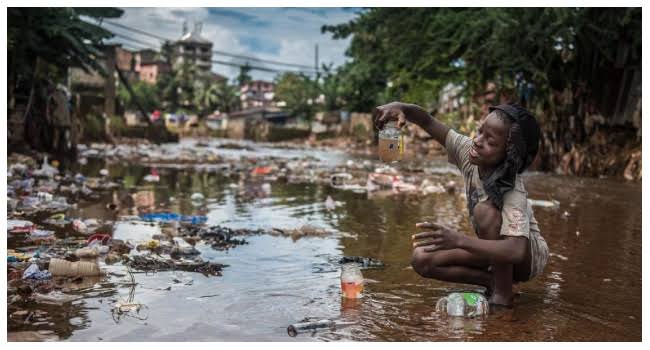
Idris noted that as the rainy season intensified, there were possibilities of increasing cases of cholera in the country. He said, “The Nigerian Meteorological Agency has said that the rains this year are going to be heavier, and when you have rains, you’re going to have floods, and this leads to contamination of our water sources. So, the chances are that cholera cases will increase.”
The DG, who blamed the outbreak of the infection on poor sanitation, personal and environmental hygiene, and lack of access to clean water, noted that the agency was conducting a risk assessment, and had alerted all the states about the outbreak. He said the state governments must ensure access to clean water and toilets for their citizens.
Cholera vaccine can help – Experts
Meanwhile, public health expert, Prof Tanimola Akande; and consultant physician, Kenechukwu Igwegbe, have urged Nigerians to consider taking the cholera vaccine as preventive vaccination to provide cover against the acute diarrhoeal disease.
The medical experts said cholera vaccines were not as popular as other vaccines, because they were often given to targeted populations, such as travellers to countries that have active transmission of cholera or given during cholera outbreaks, or to some populations that are at risk.
Due to the yearly recurring outbreaks, Prof Akande suggested that “preventive vaccination could be done in anticipation of cholera outbreaks.”
The World Health Organisation identified three WHO-prequalified oral cholera vaccines as Dukoral®, Shanchol™, and Euvichol-Plus®. All three vaccines require two2 doses for full protection.
But, Akande added that each of them conferred different levels of protection. “The protection varies from 65 per cent to about 89 per cent, depending on the type of vaccine. Most of the vaccines give protection for two years. There is however a type of cholera vaccine that gives protection of over five years when given in two doses,” he said.
Igwegbe noted that cholera vaccines were uncommon, because they were considered special vaccines that are paid for to obtain.
He however encouraged people to take the vaccine even with the outbreak. “Even now there is an outbreak, if a person tests and is negative, they can get the vaccine. When there is no outbreak, people can still take it.”
Unregistered tiger nuts drink caused Lagos outbreak
Meanwhile, the Lagos State Government has said that it has traced the latest cholera outbreak in the state to an unregistered tiger nut drink.
Speaking with our correspondent, Dr Kemi Ogunyemi, the Special Adviser to the Lagos State Governor on Health, said the officials of the Environmental Health Services from the Ministry of Health and the Ministry of Environment, were able to trace the cholera outbreak in the Eti=Osa Local Government Area to a particular brand of unregistered tiger nut drink.
“When we noticed an increase in cases in Eti-Osa Local Government Area of Lagos specifically, we went there to investigate. We carried out a survey and found that the common denominator, which was one of the deadly factors, was a tiger nut drink. People who came to the hospitals all identified that they had drunk tiger nut drink.
“We couldn’t just take their word for it, so we had to take that drink and test it to see what was in it. We immediately sent people out to look for those selling it, so we could take a sample. We found empty bottles with a name on them, but we discovered that it wasn’t even registered with the National Agency for Food and Drug Administration and Control, the regulatory body that ensures the safety of consumables,” she said.
NCoS preventive efforts
Meanwhile, in a decisive move to safeguard the health of inmates and staff, the Nigerian Correctional Service has intensified its efforts to prevent a cholera outbreak across its facilities.
The proactive stance came amidst rising health concerns.
The spokesperson for the NCoS, Abubakar Umar, who spoke to our correspondent on Friday highlighted the service’s rigorous measures.
“Our primary mandate includes the secure and humane custody of inmates, ensuring their welfare in all aspects, including health,” Abubakar stated.
He emphasised that due to proactive measures, there had been no cholera outbreaks or similar epidemics in any NCoS facilities.
“Due to our proactiveness, we have not recorded any outbreak of cholera or any such epidemic in any of our custodial centres. Therefore, no inmate or staff is affected,” he added.
Abubakar outlined the comprehensive healthcare system in place, which included a variety of medical professionals and consistent medical supplies.
For severe cases, inmates were referred to government hospitals.
Cholera vaccine not routinely available – NPHCDA
Also speaking with Saturday PUNCH, a source in the NPHCDA who spoke anonymously because he was not authorised to speak said the cholera vaccine was not routinely available in Nigeria.
“Cholera vaccine is not one of our routine vaccines. So, it is not routinely available. But, there are global stocks from which any country could draw in the event of outbreaks.
“Previous attempts at stockpiling cholera vaccine have led to expiry of the stock due to improved hygiene practices. But, it makes sense to have a stockpile of the vaccine for rapid response before applying for global support during an outbreak. We have done that, and will continue to do it,” he said.
Credit: PUNCH