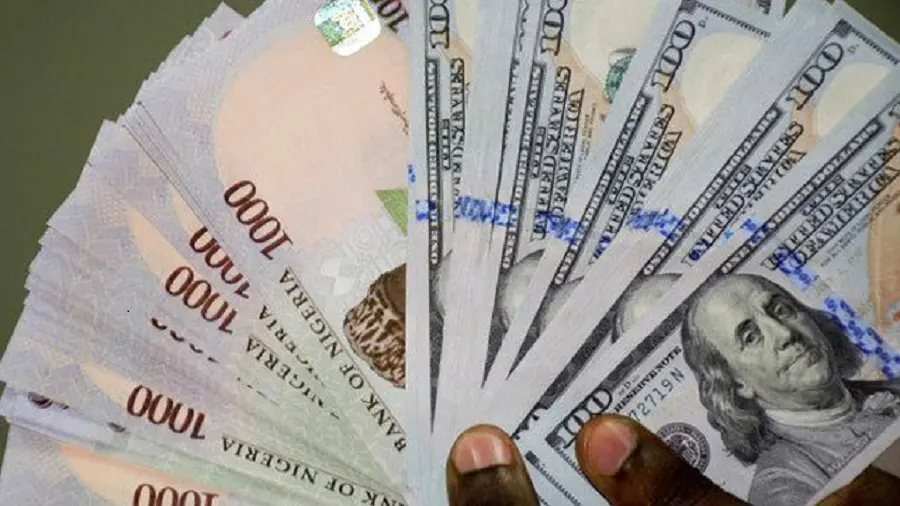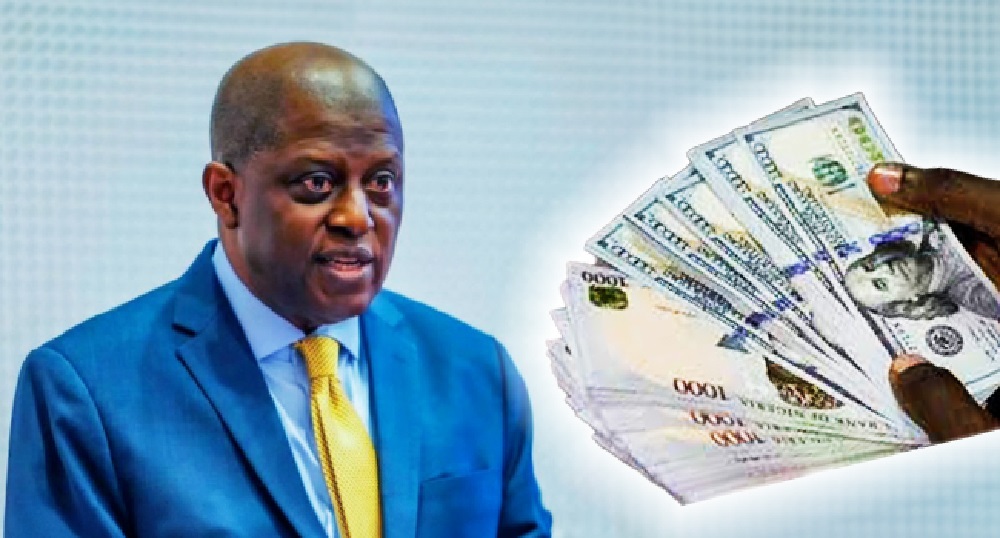
The Nigerian National Petroleum Company Limited has requested an additional subsidy refund of N1.19 trillion for July 2024, citing exchange rate differentials on Premium Motor Spirit importation and joint venture taxes, according to findings by The PUNCH.


But state governments tackled the national oil company over the latest request, as they raised concerns over NNPCL’s accounting practices.
These findings were based on the Federation Account Allocation Committee Postmortem Sub-Committee report for September 2024, which was obtained by The PUNCH on Monday. 
The report revealed that exchange rate differentials stood at N4.56tn as of June 2024 (due to under-recovery on petrol imports between August 2023 and June 2024), but this figure increased to N5.31tn by July 2024.
The NNPCL attributed the rise to fluctuations in foreign exchange rates and unresolved subsidy payments from previous months.
The total figure adds to concerns over the fiscal impact of subsidy payments on the Federation Account.
Exchange rate fluctuations and the rising cost of importing PMS have continued to strain government revenues, raising questions about the sustainability of the partial subsidy framework.
Committee raises concerns
The FAAC Sub-Committee raised concerns over NNPCL’s accounting practices, noting discrepancies in the figures submitted.
The NNPCL’s report included N1.19tn as a balance brought forward, contributing to the overall claim of N5.31tn.
However, the Sub-Committee noted that this amount had not been included in earlier FAAC reports and was therefore not recognised in its deliberations.
The report read, “As of June 2024, the Exchange Rate Differentials stood at N4,558,597,379,030.6. This amount increased to N5,309,418,715,637.13 as of the July 2024 Federation Account.
“Note that NNPCL’s request for the application of Weighted Average Rate covers the period August to June 2024. Also, recall that all outstanding payments against NNPCL as of May 2024 were referred to the Presidential Alignment Committee for reconciliation.
“However, the Sub-Committee observed that NNPCL in their report included the sum of N1,186,540,693,485.36 as an amount brought forward totalling N5,309,418,715,637.13 in their ledger. FAAC Postmortem did not recognize the Balance Brought Forward because it was not included in the FAAC report earlier submitted.”
During the September meeting with agencies, the NNPCL informed the FAAC Postmortem Sub-Committee that the N1.19tn figure was an actual under-recovery amount, which included adjustments for June and July 2024.
This amount, the NNPCL said, was used as the opening balance in its report.
In response, the Sub-Committee recommended that the NNPCL re-submit the figure for consideration at the next plenary.
The report noted, “During the monthly reconditioning meeting with Agencies, NNPCL informed the meeting that the amount submitted to the Presidential Alignment Committee for under-recovery was estimated. The actual under-recovery of N1,186,540,693,485.36, including June and July 2024, resulted in the opening balance in the NNPCL report.
“The Sub-Committee resolved that since NNPCL’s earlier report to FAAC did not include the sum of N1,186,540,693,485.36 brought forward, NNPCL should re-submit the amount for FAAC Plenary noting.”
Missing documentation
Further scrutiny of the NNPCL’s claims revealed additional issues. Minutes of a previous FAAC meeting indicated that as of June 2024, the NNPCL had reported an outstanding claim of N4.34tn against the Federation.
The claim, which was tied to exchange rate differentials, lacked essential details, including the volume of PMS imported, pricing, and sales values.
The Federal Commissioner of the Revenue Mobilisation, Allocation, and Fiscal Commission stated that the omission of these details made it difficult for the Sub-Committee to justify the figures submitted.
Consequently, the sub-committee directed the NNPCL to provide all relevant information to enable further assessment of its claims.
The FAAC Postmortem Sub-Committee has emphasised the need for transparency and accountability in subsidy-related reporting.
It noted that the discrepancies in the NNPCL’s submissions had delayed the reconciliation process, which had already been referred to the Presidential Alignment Committee.
The sub-committee also urged the NNPCL to ensure the inclusion of all outstanding amounts and a comprehensive breakdown of its PMS importation records in future reports.
The minutes for one of the FAAC meetings, which was seen by The PUNCH, noted, “The Federal Commissioner, RMAFC, informed the meeting that NNPC Limited reported to the Sub-committee that it had an outstanding claim of N4,344,519,176,167.32 against the Federation as a result of exchange rate differentials as at June 2024.
“He stated that the Sub-committee observed that the details of the PMS volume, price, and sales value were not provided in the June 2024 Report of NNPC Limited to justify the exchange rate differentials recorded. He concluded that the Sub-committee had resolved to request NNPC Ltd to provide the relevant information for further consideration.”
The PUNCH earlier reported that Nigerian National Petroleum Company Limited demanded a refund of N4.71tn from the Federal Government to settle outstanding debts used to import Premium Motor Spirit, popularly called petrol, into the country.
However, the NNPCL clarified that the N4.71tn was just an estimate, and the actual figure was N4.34tn, which increased to N5.31tn by July 2024.
This development means that the government has been supporting fuel imports by covering the difference between the projected rate and the actual expenses incurred by the NNPCL for importing petroleum products into the country.
This difference in cost, which ordinarily should be reflected in the retail price of the product and borne by final consumers, contradicts the government’s claims that subsidies have been eliminated.
This revelation also comes amid challenges faced by the petroleum company to ensure the adequate supply of PMS to marketers for distribution nationwide.
On May 29, 2023, during his inauguration, President Bola Tinubu publicly declared that “subsidy is gone,” signalling the end of barriers that had been restricting the nation’s economic growth.
However, this claim has been contested by the International Monetary Fund, the World Bank, and other authoritative figures, who argue that the government had quietly reintroduced fuel subsidies.
In June, a proposed economic stabilisation plan document stated that the government planned to spend about N5.4tn on fuel subsidies.
The N5.31tn demanded by the NNPCL for petrol under-recovery is about 98.33% of what the Federal Government had planned to spend on fuel subsidies this year.
Between January and June 2023, the Federal Government spent about N3.6tn on fuel subsidy, which was far more than the N2tn spent for the entire year of 2022.
In the approved Medium-Term Expenditure Framework, the Federal Government admitted that the petrol subsidies have remained a major challenge.
It noted that the final 2023 dividend for the Federal Government from the NNPCL was withheld to settle fuel subsidies.
The MTEF document noted, “Despite recent reforms, petrol subsidies continue to have a significant adverse impact on oil revenues. Recently, the 2023 final dividend due to the federation was withheld for payment of fuel subsidies.”
Amidst the increasing cost burden on the government for petrol under-recovery, and despite promising to bring down the price of petrol during his campaign, President Bola Tinubu has repeatedly increased petrol price by about 505.71 per cent – from N175 in May 2023 to N1,060 in October 2024 – inflicting more pains on the already impoverished Nigerians.
Credit: PUNCH