Connect with us

News

Bill for Establishment of Additional Specialist Eyecare Centres in Nigeria Pass Second Reading

Published

on

ADVERTISEMENT
Zoom Ad
ADVERTISEMENT
Zoom Ad
By Gloria Ikibah
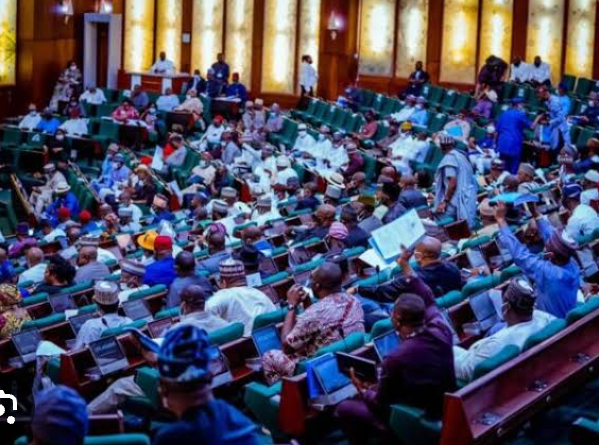
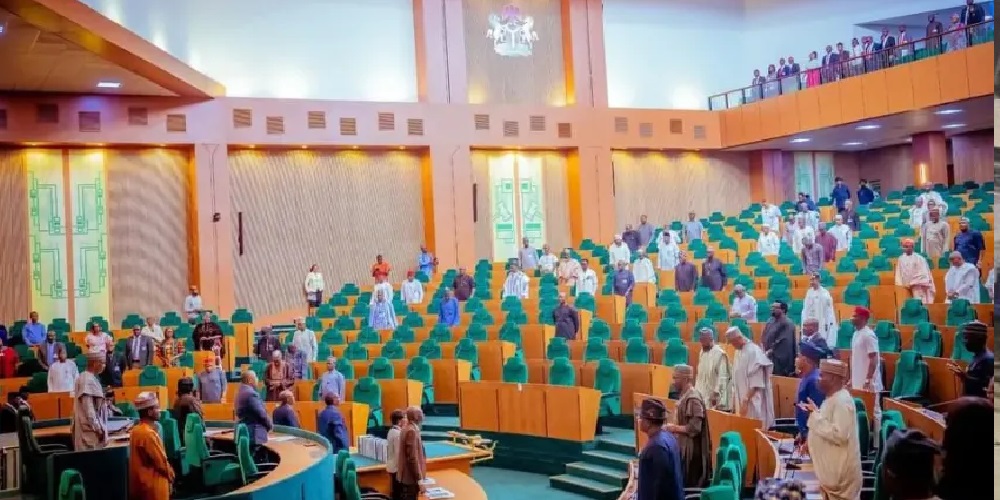
The House of Representatives has passed through second reading, a Bill seeking to amend the National Eye centre Act, 2004, to provide for the establishment of more specialist eye care centres.
The proposed legislation was sponsored by the Deputy Speaker of the House of Representatives, Rep. Benjamin Okezie Kalu, Hon. Babajimi Benson and 5 other lawmakers on Wednesday at plenary.
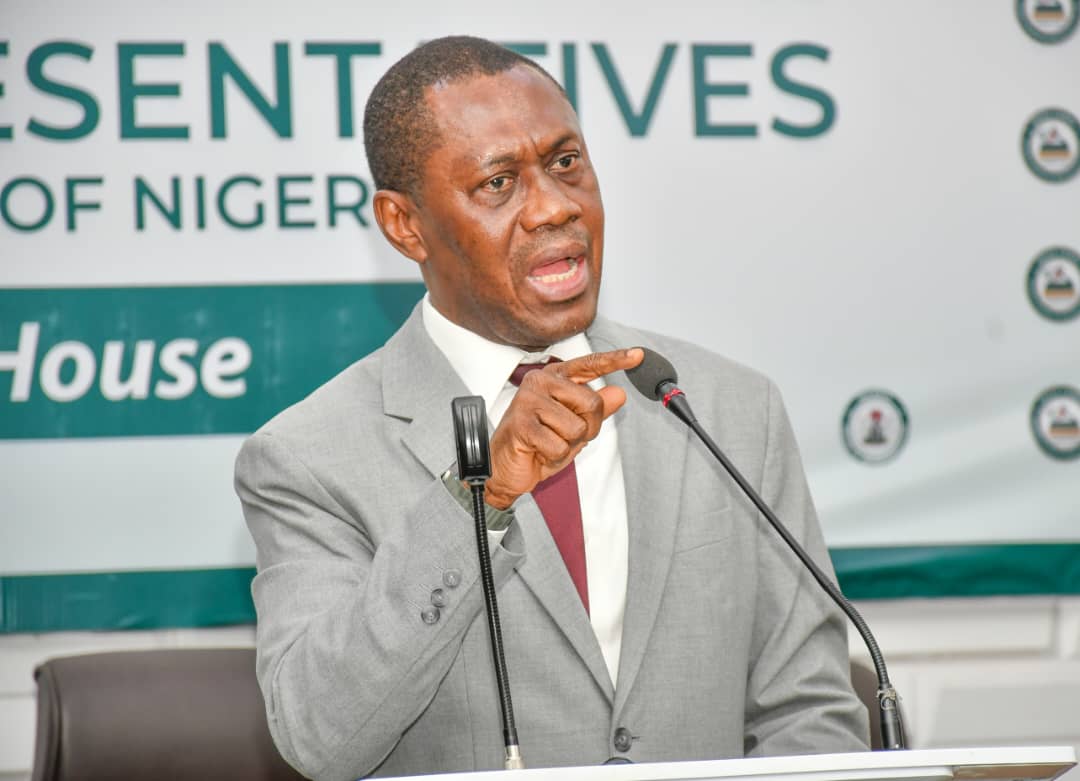
Leading the debate on the general principles of the bill, Kalu noted that the bill seeks to enhance access to qualitative eye care services across the six geo-political zones of the nation.
According to him, the proposed amendments seek to address the pressing need for more specialist eye care centres to cater for the growing population and address the rising cases of eye diseases in the country.
Making reference to reports, he lamented that preventable and treatable eye conditions are a leading cause of disability in Nigeria, with cataracts, glaucoma, and refractive errors remaining prevalent in many parts of the country, especially the rural areas where access to specialized care is limited.
He expressed optimism that the proposed amendments will rectify this situation by expanding the establishment of National Eye Centres to strategic locations across the six geopolitical zones of the country.
He added that by doing so, we aim to provide a framework that will enhance and improve access to quality eye care, ensuring that no Nigerian is left behind due to geographical barriers.
Kalu said, “I rise to lead the debate on the general principles of a Bill for an Act to amend the National Eye Centre Act, Cap N38, Laws of the Federation of Nigeria, 2004, which seeks to enhance access to qualitative eye care services across the six geo-political zones of our beloved nation. The proposed amendments seek to address the pressing need for more specialist eye care centres to cater for the growing population and address the rising cases of eye diseases in the country.  The Bill was read for the first time on Wednesday, 20thDecember, 2023.
“As we are all aware, access to quality healthcare services, especially in specialised areas like eye care, is crucial for the well-being of our citizens. The statistics reveal that preventable and treatable eye conditions are a leading cause of disability in Nigeria, with cataracts, glaucoma, and refractive errors remaining prevalent in many parts of the country, especially the rural areas where access to specialized care is limited. Unfortunately, the existing National Eye Centre in Kaduna, though commendable in its efforts, is unable to adequately meet the eye care needs of our vast and diverse nation. This inadequacy has led to disparities in access to eye care services, particularly for those in remote or underserved areas.
“The proposed amendments, thus aim to rectify this situation by expanding the establishment of National Eye Centres to strategic locations across the six geopolitical zones of the country. By doing so, we aim to provide a framework that will enhance and improve access to quality eye care, ensuring that no Nigerian is left behind due to geographical barriers.  We hope to ensure that every Nigerian, regardless of location, can access quality eye care services. This is not just a matter of healthcare; it is a matter of equity and social justice. This Bill which seeks to enhance and improve access to quality eye care in Nigeria has the following key provisions.
“The creation of 5 additional Specialist Eye Care Centres spread across the remaining 5 geopolitical zones of Nigeria not originally covered by the principal legislation which only provided for an Eye Care Centre in Kaduna, North West Nigeria. The establishment of separate Boards to govern each centre and academic committees to oversee academic affairs. These bodies will not only ensure effective management and coordination of the Centres’ activities by overseeing their day-to-day operations, but shall also drive research and educational initiatives in ophthalmology, thereby fostering a culture of excellence and innovation in eye care. In presenting this bill, we are reaffirming our commitment to the visual health and well-being of every Nigerian. By establishing additional centers, we can decentralize eye care services, reduce travel costs for patients, and ultimately protect and preserve the precious gift of sight for all citizens. Honourable Colleagues, I urge you all to support this Bill as it represents a significant step towards improving healthcare delivery in Nigeria, particularly in the critical area of eye care. Together, let us illuminate the path to a future where quality eye care is not a luxury but a fundamental right for every Nigerian.”
Thereafter the bill was put to a voice vote by the Speaker, Rep Tajudeen Abass, who presided over the session and it was passed and referred to the committee on speciality Healthcare.

News

Nigeria Begins Evacuation of Citizens From South Africa Amid Xenophobic Attacks

Published

on

ADVERTISEMENT
Zoom Ad
ADVERTISEMENT
Zoom Ad

By Gloria Ikibah

The Federal Government has commenced the evacuation of Nigerian nationals affected by the recent wave of xenophobic attacks in South Africa, with the first group of returnees expected to arrive in Lagos on Thursday morning.

In a statement issued by the Ministry of Foreign Affairs on Tuesday, the government confirmed that the initial batch of evacuees will continue depart Johannesburg’s Oliver Tambo International Airport on Wednesday night aboard an Air Peace flight.

According to the Ministry, the aircraft is scheduled to land at the Murtala Muhammed International Airport in Lagos at approximately 5:00 a.m. on Thursday.

Advertisement

Announcing the operation, the Ministry stated:
“The Ministry of Foreign Affairs wishes to inform that the first batch of Nigerian nationals that will be evacuated from the Republic of South Africa due to Xenophobic attacks will depart the Oliver Thambo International Airport in Johannesburg on Wednesday night, and the expected time of arrival at the Murtala Mohammed International Airport in Lagos is 5.00am on Thursday morning.”

The Ministry disclosed that the evacuation exercise is being carried out by Air Peace Airlines and fully financed by the Federal Government, ensuring that affected Nigerians are returned home without any financial burden.

“The evacuation operation will be undertaken by Air Peace Airlines. The Federal Government of Nigeria has fully funded the evacuation exercise; consequently, all affected Nigerians will be repatriated at no cost to them”, he stated.

Authorities also assured Nigerians that adequate arrangements have been made to receive and support the returnees upon arrival.
Q
The Ministry explained that relevant government agencies have put measures in place to ensure a smooth reintegration process for those being evacuated.

Advertisement

“The Ministry further wishes to assure the public that the Federal Government, through relevant Ministries, Departments and Agencies, has put in place the necessary reception and support arrangements for the returnees.”
It added that the evacuees would undergo documentation and profiling procedures before receiving assistance and being reunited with their families.

“Upon arrival, the evacuees will undergo documentation and profiling procedures and will receive the appropriate assistance and support before being reunited with their families”, it added.

The evacuation follows growing concerns over attacks targeting foreign nationals in parts of South Africa, prompting  calls for the protection of Nigerians living and working in the country.

The Federal Government has repeatedly stated its commitment to safeguarding the welfare of Nigerians abroad and has continued to engage South African authorities over the safety of its citizens.
renewed

Advertisement
Continue Reading

News

SEDC Defends Record Before Senate, Says Less Than 10% of ₦140bn Budget Released

Published

on

ADVERTISEMENT
Zoom Ad
ADVERTISEMENT
Zoom Ad

…highlight major projects, Programme,Regional Development Plans Amid Funding Challenges

By Gloria Ikibah

The South East Development Commission (SEDC) has reiterated its commitment to transparency, accountability and regional development following an oversight session with the Senate Committee on South East Development Commission at the National Assembly.

The interactive session, chaired by the Committee Chairman, Senator Orji Uzor Kalu, formed part of the National Assembly’s constitutional responsibility to oversee the activities of government agencies.

Advertisement

During the engagement, the Commission presented a detailed report of its activities since the inauguration of its Board in February 2025, covering its financial performance, institutional development, procurement processes, staffing, partnerships and ongoing programmes across the South-East.

The Commission also briefed lawmakers on its engagements with state governments, federal institutions, development finance organisations and other stakeholders involved in driving development across the region.

As part of its review, the Senate Committee requested additional documentation relating to certain aspects of the Commission’s operations and programme implementation.
Responding to the request, the Commission welcomed the move and sought a short extension to collate and submit the required materials.

Following discussions, the Committee adjourned proceedings to a later date pending receipt of the requested submissions, which the Commission is expected to provide on or before 23 June 2026.

Advertisement

SEDC used the opportunity to highlight progress recorded despite what it described as significant funding constraints.
According to the Commission, preparatory work has advanced on several major regional projects since the Board was inaugurated, including strategic infrastructure initiatives such as gas pipeline and railway projects designed to drive economic growth and regional integration.

The Commission also disclosed that it had established partnerships with a number of national and international institutions, including the United Nations Development Programme (UNDP), Afreximbank, Rural Electrification Agency, the Bank of Industry, Presidential Initiative on Compressed Natural Gas and Gas Aggregator Company of Nigeria.

It added that extensive consultations had been held with the governments of the five South-East states, federal ministries, development partners, academic institutions and private sector stakeholders to create a coordinated approach to regional development.

One of the major achievements highlighted during the session was the South East Vision 2050 stakeholder consultations, which brought together government officials, development experts, business leaders, academics and civil society groups to develop a long-term blueprint for the economic transformation of the region.

Advertisement

The Commission also spotlighted the successful rollout of the inaugural South East Venture Capital Programme (SEVCP), which it described as a flagship initiative aimed at promoting innovation, entrepreneurship and investment.

According to SEDC, 25 start-ups from across the South-East received equity investments through a transparent and competitive selection process under the programme.

The Commission said the initiative aligns with President Bola Ahmed Tinubu’s Renewed Hope Agenda and reflects efforts to strengthen entrepreneurship, private sector growth and investor confidence.

“Anchored within the South East Investment Company, the Programme represents a strategic effort to move beyond fragmented interventions towards a more structured and credible venture capital ecosystem for the South East, combining capital deployment with venture development, institutional partnerships, and pathways for attracting institutional capital into early-stage, high-growth enterprises across the region,” it stated.

Advertisement

However, the Commission expressed concern over the pace of funding releases, warning that implementation of critical projects could be affected if appropriated funds are not released promptly.

It disclosed that despite the Federal Government and National Assembly approving ₦140 billion for the Commission in the 2026 budget, less than 10 per cent of the allocation has so far been released.

The statement further read: “Of the N140 billion appropriated to the Commission in the 2026 budget, less than 10% has been released to date across all budget lines.”

SEDC stressed that accelerated releases are essential to enable the execution of key infrastructure, agricultural transformation, youth empowerment, economic development and regional security initiatives captured within its mandate.

Advertisement

“The scale of development required across the South East demands sustained funding, institutional coordination, and continued collaboration among all stakeholders,” the Commission noted.

Reaffirming its commitment to openness and accountability, the Commission pledged full cooperation with the National Assembly and all relevant oversight institutions.

“SEDC remains committed to full cooperation with the National Assembly and all relevant oversight institutions. The Commission views accountability, transparency, and constructive engagement as fundamental to the successful delivery of its mandate and will continue to provide all information required to support effective legislative oversight.

“The Commission remains focused on its responsibility to deliver meaningful and measurable impact for the people of the South East through disciplined planning, transparent governance, strategic partnerships, and the effective deployment of public resources. The Commission appreciates the continued support of the National Assembly and looks forward to sustained collaboration in advancing inclusive growth, shared prosperity, and long-term development across the region.”

Advertisement
Continue Reading

News

NDC leader, Dickson in closed door session peace talks to stop party crisis in Kano

Published

on

ADVERTISEMENT
Zoom Ad
ADVERTISEMENT
Zoom Ad

The National Leader of the Nigeria Democratic Congress (NDC), Seriake Dickson, and other leaders of the NDC, on Monday, held a closed-door peace talks with aggrieved members of the party in Kano State.

Osa Director, the national spokesperson of the NDC, disclosed this in a statement on Tuesday.

Mr Director explained that the closed-door peace talks were part of efforts to resolve the primary election-related crisis between Kwankwasiya Movement and other NDC members in the North-western state.

Kwankwasiya Movement is a political support group founded by the NDC vice-presidential candidate and former Governor of Kano State, Rabiu Kwankwaso.

Advertisement

The national spokesperson said the meeting, which lasted for several hours, was “productive.”

Senator Dickson and the NDC leadership are mediating in the process in order to enhance inclusion and participation by every party member.

According to Oda Director the NDC leadership will not impose candidates in Kano State, and indeed across the nation as the party cherishes the virtues of internal democracy,” he said.

He stressed that the NDC has not released any official results of its 2027 primaries in any state.

Advertisement

He urged members to disregard any such list in circulation.

The cause of the crisis

It was gathered that some NDC members in North-west Nigeria recently alleged Mr Kwankwaso was plotting to facilitate the dominance of members of Kwankwasiya Movement in the region’s party structure while dropping other key party leaders.

The Vice-Chairman of the NDC in the North-west, Mohammed Serina, and the Chairman of the party in Kano State, Hussaini Mariga, made the allegations against Mr Kwankwaso in a petition recently submitted to the party’s national leadership.

Advertisement

The petition followed purported results of NDC’s primaries in North-west circulating on Facebook in which the majority of winners were linked to the Kwankwasiya Movement.

Continue Reading

Trending

Copyright © 2024 Naija Blitz News