Connect with us

News

Kaduna targets Almajiri integration in N440bn education reform

Published

on

ADVERTISEMENT
Zoom Ad
ADVERTISEMENT
Zoom Ad

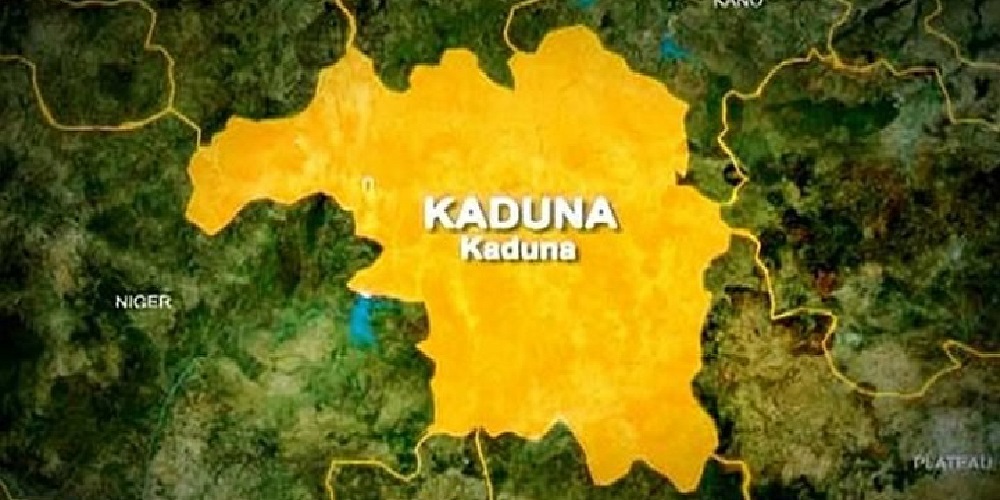
The Kaduna State Government, alongside key education stakeholders and development partners, has unveiled N440bn investment roadmap to reposition Technical and Vocational Education and Training across the state.


Participants are also pushing for bold reforms to integrate the marginalised Almajiri system into mainstream education in the state.

This was part of the far-reaching resolutions reached at the just-concluded Kaduna International Education Summit, tagged EduPACT 2025, which ended in Kaduna on Friday.

The three-day summit, themed: “Strategic Visioning for Educational Transformation: Developing the Kaduna State Education Model,” brought together participants from government agencies, international development organisations, academia, traditional and religious institutions, civil society, and student groups.

Advertisement

The communique read at the end of the summit by Kaduna State Commissioner for Education, Prof Abubakar Sambo, on Sunday, called for urgent and decisive action to tackle youth unemployment, enhance skills development, and mainstream the Almajiri education system through practical, inclusive reforms.

The proposed N440bn TVET roadmap is expected to be driven by partnerships with the private sector, the establishment of centres of excellence in key trades, and structured apprenticeship programmes aimed at equipping thousands of Kaduna’s youth with employable, practical skills.

According to the communique, stakeholders unanimously agreed that at least 15 per cent of the state’s annual education budget should be dedicated to TVET as a pragmatic solution to tackle youth unemployment, promote entrepreneurship, and boost Kaduna’s competitiveness within the Nigerian economy.

“TVET is not just about skills acquisition; it is about economic empowerment, social mobility, and crime reduction. We have resolved that our approach must be deliberate, strategic, and fully aligned with the realities of the 21st century,” Sambo said.

Advertisement

The summit stressed that aligning school curricula with the evolving demands of the industry was critical for success, hence the push for vocational hubs, modern learning facilities, and partnerships with industries to provide hands-on training opportunities.

One of the most significant resolutions was the proposal for a comprehensive overhaul of the Almajiri education system, which had left millions of children on the fringes of formal education and economic opportunities.

According to the communique, participants advocated for the integration of Almajiri children into formal vocational and literacy programmes, while ensuring the removal of traditional barriers such as compulsory uniforms, PTA levies, and stigmatisation.

“Almajiri children must no longer be left behind. We have resolved to modernize this system by bridging Qur’anic education with literacy, numeracy, digital skills, and vocational training. They must become part of Kaduna’s human capital development story,” Sambo declared.

Advertisement

Stakeholders also recommended that religious leaders be empowered as champions of reform, working alongside the government to encourage parents and guardians to embrace the new integrated model.

Throughout the summit, the recurring theme was the need for a ‘whole of society approach’ in tackling the multifaceted challenges facing education in Kaduna State.

Participants called for the establishment of a Kaduna State Education Reform Council to harmonise the roles of various education bodies such as the State Universal Basic Education Board, the Teachers’ Service Board, the Ministry of Education, and other relevant stakeholders.

Outdated policies, they argued, must be urgently reviewed to reflect modern realities, while collaboration among local governments, communities, and the private sector was identified as key to sustainable reform.

Advertisement

To address overcrowded classrooms, especially in rural communities, the summit recommended accelerated recruitment of qualified teachers and periodic skills assessments to align teacher competencies with modern pedagogical needs.

Another key highlight of the summit was the push for expanded digital learning infrastructure, with plans to scale up smart classrooms, integrate artificial intelligence into teaching and research, and explore renewable energy options like solar, wind, and biofuels to power rural schools.

Under the proposed digital transformation agenda, participants called for the establishment of a Kaduna Research Cloud to bolster higher institutions’ research capacity and enhance global competitiveness.

“We must embrace technology, not as a luxury, but as a necessity for modern education,” Sambo emphasised.

Advertisement

The summit equally stressed the importance of deepening community ownership of schools through strengthened School-Based Management Committees, Parent-Teacher Associations, and Mothers’ Associations to improve accountability and promote grassroots participation in education delivery.

There was a strong consensus that youth voices must be integrated into school boards and policy planning, while policies must enforce equitable tuition regimes and ensure disability-friendly campuses.

Participants resolved to prioritise the needs of Persons With Disabilities, expand early childhood education centres in underserved areas, and shift from fragmented, local government-led interventions to a coherent, state-wide strategy for consistency and greater impact.

“We reaffirm our commitment to treat education not as a political agenda but as a sacred promise to every child in Kaduna State,” the communique stated.

Advertisement

Speaking to journalists after the summit, Deputy National Team Leader of the UK’s FCDO flagship education programme, PLANE, Sam Achimugu, described the summit as very successful” and praised the Kaduna State Government for its leadership in driving forward-thinking education reforms.

According to him, the United Kingdom government was delighted with the outcomes of EduPACT 2025 and remained committed to supporting Kaduna in implementing the resolutions.

“For us, it’s just to continue to support Kaduna State. We’ll look for ways to implement some of the ideas from this summit.

“The British have worked in Kaduna for decades, and by God’s grace, this partnership will endure,” Achimugu said.

Advertisement

He hinted that the FCDO would support plans to institutionalise EduPACT as an annual event to sustain momentum and monitor progress.

Achimugu commended Governor Uba Sani for convening the summit, which he noted was months in planning, and praised the robust turnout and quality of deliberations.

The summit was jointly organised by the Kaduna State Government in partnership with the UK Government through FCDO’s PLANE programme, alongside the United Nations Children’s Fund, the World Bank-funded AGILE project, Teaching at the Right Level, British Council, Save the Children, the Islamic Development Bank, ROOSC Project, Miva University, Malala Fund, and Education as a Vaccine, with support from other private and development sector partners.

The Deputy Country Director of Save the Children Nigeria, Mr Victor Lubeck, hailed the focus on marginalised children, especially the Almajiri, stressing that “no child should be left behind in the quest for quality education.”

Advertisement

Similarly, UNICEF’s representative at the summit, Ms Blessing Nwafor, stressed the need for consistency in implementing the resolutions.

“The gap between policy and practice must be bridged if Kaduna is to achieve its education targets,” Nwafor said.

Continue Reading
Advertisement
Click to comment

Warning: Undefined variable $user_ID in /home/naijuinz/public_html/wp-content/themes/zox-news/comments.php on line 49

You must be logged in to post a comment Login

Leave a Reply

News

Airline operators reject NCAA debt claim

Published

on

By

ADVERTISEMENT
Zoom Ad
ADVERTISEMENT
Zoom Ad

Airline Operators of Nigeria, AON, has faulted the Nigerian Civil Aviation Authority, NCAA, over its earlier decision to withhold services from 11 domestic airlines pending the settlement of their outstanding financial obligations.

Director of Finance and Accounts of NCAA, Olufemi Odukoya, in a memo dated May 22, 2026, obtained by Vanguard, had listed the affected airlines as Air Peace Limited, Ibom Air Limited, Arik Air Limited, United Nigeria Airlines, Umza Air, NGeagle Airline, Max Air Limited, Caverton Helicopters, Overland Airways, Rano Air and ValueJet.

While the NCAA has temporarily suspended the directive, AON, in a statement, disclosed that all services rendered by NCAA to domestic airline operators were fully paid for in advance on a cash-before-service basis.

AON, however, clarified that what the NCAA described as outstanding charges relates to the five per cent Ticket Sales Charge, TSC, which is different from regulatory service fees.

Advertisement

They also urged Federal Government to amend the Civil Aviation Act to empower the NCAA to directly collect appropriate fees and charges from passengers, saying the measure should take effect from June 1, 2026.

The statement reads: “The AON wishes to make it clear that all cost recovery services rendered by the NCAA to domestic airline operators are paid for fully in advance on a cash-before-service basis.

“For clarity, the NCAA issues an invoice for every regulatory service it provides, whether for the validation of crew operating licences, aircraft inspections, documentation renewals, or any other service within its regulatory mandate. Operators are then required to settle all such invoices in advance, and compliance is strictly observed before the NCAA renders any regulatory service.

Advertisement

“In practice, no domestic airline in Nigeria receives NCAA regulatory services without first making the full payment of invoices issued to it by the NCAA. This long-standing policy and procedure remains firmly in place. Consequently, suggestions that domestic airline operators are indebted to the NCAA for regulatory services are factually inaccurate.

“What the NCAA refers to as ‘outstanding charges’ relates solely to the five percent (five per cent) Ticket Sales Charge, TSC, a Tax imposed by the NCAA on passengers for no services rendered to passengers and not in consonance with the dictates of international aviation. This is entirely different from regulatory service fees.

Advertisement

“The AON also notes that several member airlines maintain dedicated accounts, from which the NCAA draws down its monthly remittances, until the force majeure caused by the Iran -Israel/USA conflict, that had put a lot of financial pressures on airlines worldwide.

“Notwithstanding this arrangement, the AON had formally appealed to the federal government through the office of Honourable Minister of Aviation & Aerospace Development, to suspend the payment of all statutory charges temporarily, as an interim measure to assist airlines in managing their cash flows during the current period of severe financial stress caused by the increase in the cost of Jet Al.

“As an interim response, President Bola Tinubu graciously granted a 30 per cent concession, while waiting for the government  decision on the other aspects of the AON intervention request. While the AON acknowledges and appreciates this gesture, we had appealed for a meeting with Mr. President to discuss further reliefs, a request that is yet to be granted.

Advertisement

“The AON reiterates its position that the NCAA is a regulatory body, not a revenue-generating agency. The NCAA does not fund any aspect of our businesses or render any direct service to passengers.

“Each and every service it provides to airline operators are  fully paid for in advance before such is rendered. In view of the above, the AON calls on federal government to urgently amend the Civil Aviation Act to empower the NCAA to collect whatever appropriate fees and charges are due directly from passengers or whoever else, without routing such through the domestic airlines. We request this to take effect from June 1, 2026.

“This will relieve domestic airlines of the financial burden of acting as collection agents for the NCAA, since airlines currently bear banking transfer charges and other transaction costs in the process of transmitting funds to the NCAA.

Advertisement

“The five per cent Ticket Service Charge in question was introduced over 45 years ago under the Government of General Gowon by the then Federal Civil Aviation Authority, FCAA, and its continued relevance has not been reviewed ever since.

“The FCAA was at the time an arm of the Civil Aviation Department, CAD, housed in Marina under the Ministry of Transportation. As the CAD was not a ministry-level aviation unit, it had limited budgetary resources.

“The Gowon regime of the 1970s had built airports in all 12 States of the federation and these airports required maintenance and operational budgets that were not provided for in the sector’s budget hence the introduction of the five per cent TSC.

Advertisement

“Notably, Nigeria Airways, the only domestic airline operating at the time, did NOT pay the five per cent TSC. Only foreign Airline carriers were required to pay.

“Importantly and worthy of note is the fact that the FCAA has since over time evolved into the NCAA, NAA, and NIMET. The NAA in turn evolved into the present-day FAAN and NAMA.

“Meanwhile, the aviation industry was deregulated in 1982, allowing for indigenous entrepreneurs to compete in the market, resulting in the new entrant private airlines that have remained the mainstay of the industry and the backbone of the Nigerian economic renaissance.

Advertisement

“With the creation of each of these agencies, separate taxes, fees, charges, and levies were introduced for the Nigerian  Airline operators to cover their respective services.

“Meanwhile, the five per cent TSC, which was originally a policy instrument was surreptitiously introduced into the legislation by the NCAA, despite the vehement opposition from the AON and other industry stakeholders.

“Domestic airlines, in addition to this five per cent TSC, still pay separately ànd directly for services provided by the various industry agencies, including the NCAA itself.

Advertisement

“It is important to note that the five per cent TSC is an ad valorem tax applied to an airline’s gross earnings, not profits. The global aviation industry operates at a profit margin of between 1.5 per cent and 2.5 per cent at best. International standard and best practice provides that aviation should be a cost-recovery sector of strategic importance. In Nigeria, however, the industry is being subjected to unsustainable financial pressures, in the guise of imposed taxes, fees, charges and levies.

“The AON uses this occasion to once again draw the attention of the Federal Government to the unsustainable burden of these multiple  taxes, fees, charges and levies arbitrarily imposed on domestic airline operators. We make payments to the Nigerian Airspace Management Agency, NAMA, the Federal Airports Authority of Nigeria, FAAN, and several other service providers and statutory bodies.

Advertisement

“The financial impact of these taxes, fees, charges and levies is adverse, burdensome and excruciating, especially at this precarious period, when the entire world has been exposed to the exogenous shocks of the Iran – Israel / USA crisis.”

Continue Reading

News

JAMB to conduct UTME mop-up exam June 13

Published

on

By

ADVERTISEMENT
Zoom Ad
ADVERTISEMENT
Zoom Ad

The Joint Admissions and Matriculation Board, JAMB, has fixed Saturday, 13th June, 2026, for the conduct of the UTME mop-up examination for all candidates who presented themselves and were biometrically verified for the 2026 Unified Tertiary Matriculation Examination, UTME, but were unable to sit the examination for one reason or another.

Recall that the 2026 UTME was conducted between 23rd and 29th April, 2026. However, some centres experienced technical challenges which made it impossible for several candidates to take the examination. In addition, some results were subsequently withdrawn over examination infractions, while some candidates who presented themselves for the examination could not be verified biometrically. All such candidates have been listed for the mop-up examination.

The board, in a statement on Monday evening by its spokesperson, Fabian Benjamin, said, ”The mop-up examination represents the final phase of the annual UTME exercise and serves as an opportunity to address all outstanding examination challenges involving candidates who duly presented themselves but encountered difficulties in taking the examination.”

“Candidates in this category are advised to begin printing their Examination Notification Slips from Saturday, 6th June, 2026.”

Advertisement

According to JAMB, “Affected candidates are hereby urged to print their Examination Notification Slips, familiarise themselves with their examination centres, and make all necessary arrangements ahead of the examination date, as there will be no further opportunity for any candidate to sit the 2026 UTME after this mop-up exercise.”

Continue Reading

News

ADC presidential primary: Atiku sweeps sokoto with 68,823 votes

Published

on

By

ADVERTISEMENT
Zoom Ad
ADVERTISEMENT
Zoom Ad

Former Vice-President and presidential aspirant of the African Democratic Congress, Atiku Abubakar, has won the party’s presidential primary election conducted across the 23 local government areas of Sokoto State.

The result was announced on Monday by the state chief returning officer, Prof. Aminu Abubakar.

“I therefore hereby declare Alhaji Atiku Abubakar as the presidential candidate with the highest number of votes cast in Sokoto,” he said.

The result was announced in the presence of officials of the Independent National Electoral Commission, security personnel, and party stakeholders, including former Sokoto State governor, Aminu Waziri Tambuwal, and the ADC governorship candidate in the state, Mannir Dan Iya, the senatorial candidate for Sokoto South, Faruk Malami Yabo, and the state party chairman, Abdullahi Maigwandu, among others.

Advertisement

According to the results, Atiku polled over 68,823 votes to defeat Muhammad Hayatuddeen, who got 319 votes, and Rotimi Amaechi, who polled 292 votes.

Continue Reading

Trending

Copyright © 2024 Naija Blitz News